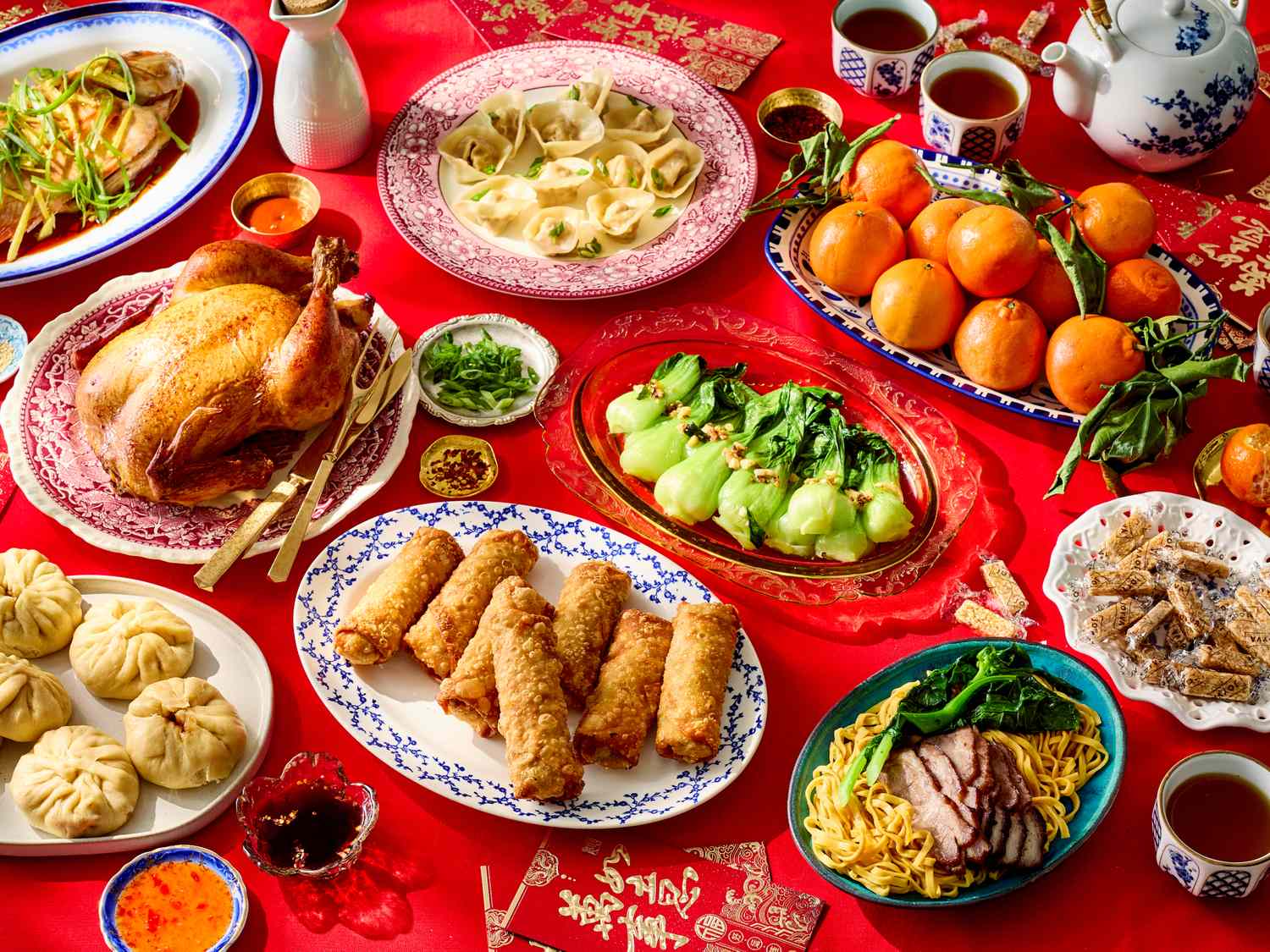
Chinese Spring Festival food forms the heart of the most important holiday in Chinese culture. Also known as Chinese New Year or Lunar New Year, the festival centers on family reunion, ancestral respect, and hopes for prosperity in the coming year. The dishes prepared and shared during this time are never chosen at random. Each ingredient and cooking method carries symbolic meaning that has been passed down through generations, turning every meal into a quiet expression of cultural values and collective memory.
The Cultural Roots of Festival Dishes
Spring Festival falls on the first day of the lunar calendar and lasts for fifteen days, culminating in the Lantern Festival. Food preparation often begins days earlier, with families gathering to make dumplings, cure meats, or steam special cakes. These activities themselves strengthen family bonds. In northern China, the rhythmic folding of dumpling wrappers becomes a shared labor that draws multiple generations into the kitchen. In southern regions, the careful steaming of sticky rice cakes or the slow simmering of soups creates a similar sense of togetherness.
Historically, many festival foods emerged from agricultural cycles and seasonal availability. Winter ingredients that stored well—cured meats, dried seafood, and preserved vegetables—became staples. Over centuries, these practical choices gained layers of meaning linked to prosperity, longevity, and good fortune. The result is a cuisine that is both deeply practical and richly symbolic.
Signature Dishes and Their Meanings
Dumplings, or jiaozi, rank among the most iconic Spring Festival foods, especially in northern China. Their shape resembles ancient gold ingots, symbolizing wealth. Families often hide a coin inside one dumpling; the person who finds it is said to enjoy extra luck in the new year. The filling—usually a mixture of minced pork, cabbage, and seasonings—varies by household, but the act of wrapping them together remains constant.
Fish appears on almost every reunion table because the Chinese word for fish, “yu,” sounds like the word for surplus. Serving a whole fish, preferably steamed with ginger and scallions, expresses the wish that the family will have more than enough in the year ahead. Tradition holds that the fish should not be finished completely, leaving a portion to represent ongoing abundance.
Sticky rice cake, known as niangao, carries another auspicious sound. “Nian gao” suggests “higher year,” expressing the hope that each year will bring greater success and progress. The cake can be sweet or savory, steamed, fried, or added to soups. In many homes it is prepared in advance and shared with neighbors as a gesture of goodwill.
Longevity noodles, served uncut, represent a long and healthy life. Diners are careful not to break the strands while eating, reinforcing the wish for continuity. Spring rolls, with their golden, cylindrical shape, evoke gold bars and the arrival of spring. Tangyuan, or glutinous rice balls, appear especially during the Lantern Festival. Their round form symbolizes family unity and completeness.
Regional Variations Across China
China’s vast geography produces remarkable diversity in Spring Festival food. In the north, wheat-based dishes dominate: dumplings, steamed buns, and hearty meat stews. In the south, rice takes center stage. Cantonese families often prepare a large tray of “poon choi,” a layered banquet dish that includes seafood, meats, and vegetables arranged in a deep basin. In Shanghai and surrounding areas, sweet and savory rice cakes and braised pork belly appear frequently. Sichuan and Hunan households may add more spice, reflecting local preferences for bold flavors even during festive meals.
Coastal regions emphasize fresh seafood, while inland areas rely more on preserved meats and root vegetables. These differences illustrate how Chinese culinary tradition adapts to local resources while preserving shared symbolic language. Travelers and overseas Chinese communities often recreate these regional specialties, keeping distant hometown flavors alive during the festival.
Modern Adaptations and Everyday Practice
Contemporary life has changed how many families approach Spring Festival food. Busy urban schedules mean some households buy ready-made dumplings or order banquet dishes from restaurants. Yet many still insist on preparing at least a few traditional items at home. The sensory experience—the smell of frying spring rolls, the steam rising from a pot of dumplings, the glossy surface of a whole fish—remains powerful.
Health-conscious cooks sometimes lighten classic recipes by reducing oil or incorporating more vegetables, while still preserving the original symbolism. Younger generations may experiment with fusion elements, but the core dishes continue to appear because their meanings matter. Social media now spreads family recipes and plating ideas, allowing people far from home to participate in the collective culinary conversation.
Practical Tips for Preparing Festival Foods
Successful Spring Festival cooking rewards planning. Ingredients for dumplings or rice cakes are often purchased several days ahead. Many families prepare fillings or dough in advance and freeze them. When steaming fish, freshness is essential; the fish should have clear eyes and firm flesh. For niangao, a slow, gentle steam produces the best texture. Longevity noodles benefit from high-quality wheat flour and careful cooking so they remain long and elastic.
Presentation also carries weight. Dishes are arranged symmetrically on the table, often with the fish placed head toward the elders as a sign of respect. Red is the dominant color in table settings, reinforcing themes of luck and celebration. Sharing food according to hierarchy—elders first—reinforces family structure and mutual care.
The Deeper Meaning of the Shared Table
Beyond nutrition and symbolism, Chinese Spring Festival food creates a temporary world of abundance and connection. In a fast-moving society, the deliberate pace of preparing and eating these dishes offers a rare pause. Conversations around the table range from reminiscences of past festivals to hopes for the year ahead. Children learn the stories behind each dish, ensuring that cultural knowledge continues.
For Chinese communities abroad, these foods become a tangible link to heritage. Supermarkets stock special ingredients in the weeks before the festival, and community centers host dumpling-making events. The same aromas that once filled village kitchens now rise in apartments across continents, carrying memory and belonging.
Looking Toward Future Celebrations
As tastes evolve and lifestyles change, Spring Festival food will continue to adapt. Yet the underlying principles—family unity, hopes for prosperity, respect for tradition—remain steady. Whether prepared in a rural courtyard or a city high-rise kitchen, these dishes still perform their quiet work of binding people together and expressing wishes that words alone cannot fully convey.
The next time a plate of dumplings or a whole steamed fish appears on a Spring Festival table, it carries more than flavor. It carries centuries of accumulated meaning, the labor of many hands, and the simple, enduring desire that the year ahead will be better than the one just past. In that sense, Chinese Spring Festival food is both nourishment and quiet poetry, served one shared meal at a time.