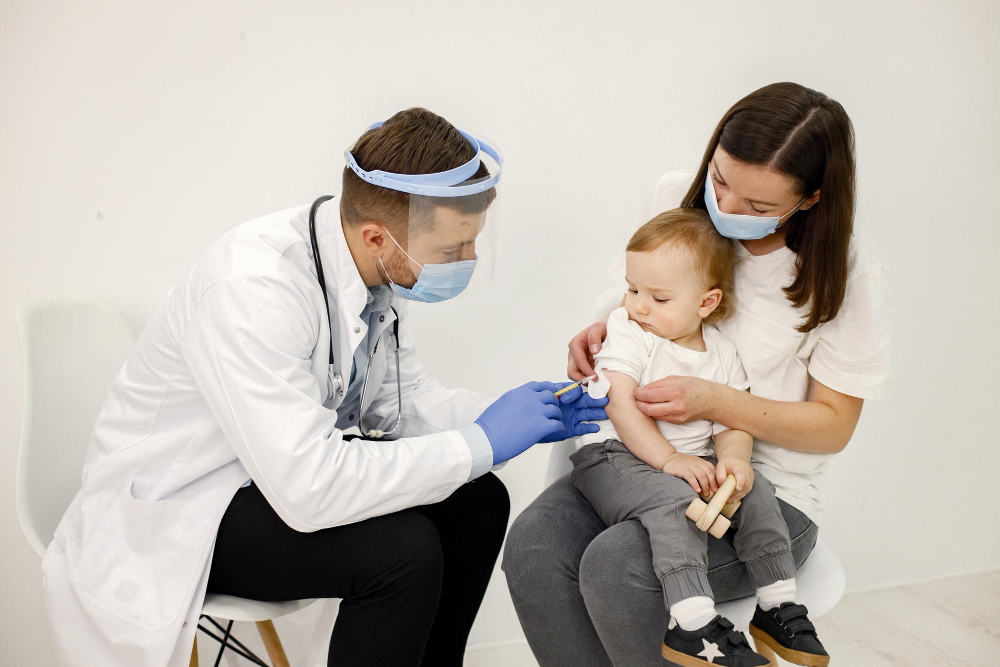
Parents often wonder about the best way to shield newborns from serious illnesses. Babies vaccine programs form the foundation of that protection. These shots train a young immune system to recognize and fight dangerous germs before real exposure occurs. Timely immunization has saved millions of lives worldwide by reducing cases of measles, polio, whooping cough, hepatitis B and many other diseases.
Newborns arrive with limited immunity. Antibodies passed from the mother provide temporary defense that fades within months. Vaccines step in at precise ages to build lasting protection. Health authorities such as the World Health Organization and national pediatric groups design schedules around this window of vulnerability. Following the recommended timeline keeps babies safer during their most fragile period.
Why Babies Need Vaccines So Early
A baby’s immune system starts learning the moment it enters the world. Everyday contact with surfaces, people and air introduces countless microbes. Most pose little threat, yet certain bacteria and viruses can cause severe illness or death in infants. Vaccines deliver a safe version of those threats so the body practices a response without the full disease.
Early doses matter because many vaccine-preventable infections hit hardest in the first year of life. Hepatitis B can pass from mother to child at birth. Rotavirus leads to dangerous dehydration. Pertussis, or whooping cough, spreads easily and strains tiny lungs. Immunization schedules place the first doses exactly when protection is most needed and when the immune system can respond effectively.
Research consistently shows that vaccinated children experience far fewer hospitalizations. Communities also benefit. High vaccination rates create herd immunity that shields those who cannot receive certain shots for medical reasons.
How Vaccines Work in Infants
Vaccines contain weakened or inactivated germs, or pieces of them. The infant’s body detects these as foreign and produces antibodies plus memory cells. Later, if the real pathogen appears, the immune system reacts quickly. Modern vaccines undergo rigorous testing for safety and effectiveness before approval. Ongoing monitoring continues after they reach clinics.
Multiple vaccines can be given at the same visit. Studies confirm this approach does not overload the immune system. Babies encounter far more antigens from daily life than from a full set of recommended shots.
Standard Babies Vaccine Schedule Overview
Schedules vary slightly by country, yet core vaccines remain similar. Most programs begin at birth and continue through the preschool years. Parents should consult their pediatrician for the exact plan that matches local guidelines and the child’s health status.
Birth to Two Months
- Hepatitis B: First dose often given within 24 hours of birth.
- Additional shots at two months typically include diphtheria, tetanus and acellular pertussis (DTaP), Haemophilus influenzae type b (Hib), pneumococcal conjugate, inactivated polio and rotavirus.
Four to Six Months
Booster doses of the same vaccines strengthen immunity. Some infants receive a third rotavirus dose depending on the product used. Influenza vaccination may begin at six months during flu season.
Twelve to Fifteen Months and Beyond
Measles, mumps and rubella (MMR), varicella (chickenpox) and hepatitis A enter the schedule. Further boosters of earlier vaccines complete primary series. Additional protection against respiratory syncytial virus may be offered through maternal immunization or infant antibody products in certain regions.
Catch-up schedules exist for children who miss doses. Pediatricians adjust timing based on medical history and travel plans.
Safety of Babies Vaccine Programs
Extensive safety systems track vaccines from development through public use. Clinical trials involve thousands of participants. After licensing, systems such as the Vaccine Adverse Event Reporting System collect and investigate reports. Serious reactions remain extremely rare.
Common side effects stay mild: redness or swelling at the injection site, low-grade fever or temporary fussiness. These signs show the immune system is responding and usually resolve within a day or two. Fever reducers or cool compresses help when needed. Parents should contact a doctor if symptoms seem severe or persist.
Myths about vaccines causing chronic conditions have been thoroughly studied and rejected by large scientific reviews. Independent experts worldwide continue to affirm that the benefits far outweigh the minimal risks for nearly every child.
Special Considerations
Premature babies, those with certain immune conditions or infants in high-risk households may follow modified plans. Doctors evaluate each case individually. Maternal vaccination during pregnancy also protects newborns against influenza, pertussis and RSV in many settings.
Benefits Beyond Individual Protection
Vaccinated babies grow healthier and miss fewer days of normal development due to illness. Families avoid the emotional and financial strain of hospital stays. Society gains reduced outbreaks and lower healthcare costs. Diseases once common now appear mainly in under-vaccinated groups, proving the power of widespread immunization.
Parents who stay current with the schedule give their children the strongest start. Open conversation with healthcare providers clears doubts and builds confidence.
Frequently Asked Questions
Are babies vaccine shots painful?
Most infants cry briefly from the needle, yet the discomfort passes quickly. Comfort measures such as breastfeeding, skin-to-skin contact or a sweet solution can reduce distress.
Can I delay or space out vaccines?
Spacing doses beyond recommended intervals leaves babies unprotected longer. The standard schedule balances immune readiness with disease risk. Discuss any concerns with a pediatrician rather than creating an alternative plan independently.
What if my baby has a mild cold on vaccine day?
Mild illness usually does not prevent vaccination. Moderate or severe fever may lead to a short delay. The doctor decides based on the child’s condition.
Do vaccines contain harmful ingredients?
Modern formulations use tiny amounts of stabilizers or preservatives that meet strict safety limits. Many vaccines no longer contain thimerosal. Full ingredient lists appear on product inserts and official websites.
How do I track my child’s immunization record?
Keep a paper card or use digital health apps linked to the clinic. Accurate records help at school entry, travel and future medical visits.
Conclusion
Babies vaccine recommendations exist because they work. Early immunization builds reliable defenses against diseases that once claimed many young lives. Parents who follow evidence-based schedules give their infants the best chance at healthy growth. Talk with a trusted healthcare provider, stay on track with appointments and remain informed through reliable sources. Protection starts with the first dose and continues as a lifelong gift of health.