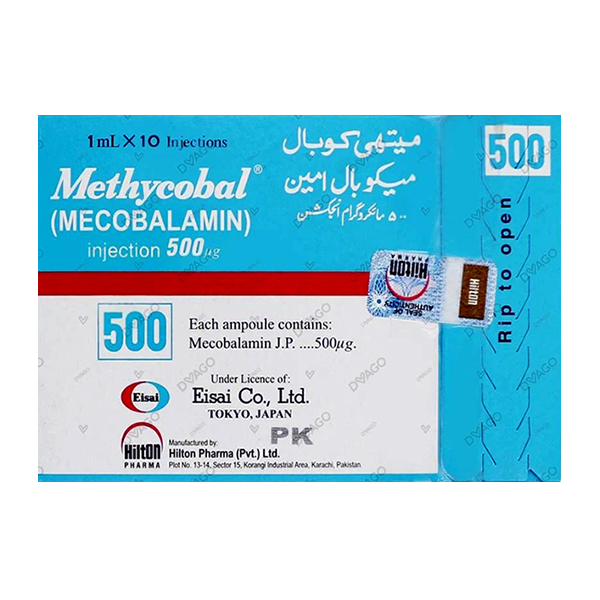
Methylcobalamin injection serves as an active form of vitamin B12 that doctors often prescribe to correct deficiencies and support nerve health. This injectable treatment delivers the nutrient directly into the body, bypassing digestive absorption issues that many patients face. Healthcare providers use methylcobalamin injection to address conditions linked to low B12 levels and certain nerve problems. Understanding how it works helps patients make informed decisions with their doctors.
What Is Methylcobalamin Injection?
Methylcobalamin is one of the two biologically active forms of vitamin B12. The body uses it directly without converting it first. Manufacturers prepare it as a sterile solution for intramuscular or intravenous administration.
Unlike cyanocobalamin, which the body must convert, methylcobalamin already exists in the ready-to-use form. This property makes the injection useful for people with absorption problems or severe deficiencies. Doctors typically administer it in clinical settings, though some patients learn self-injection under professional guidance.
Primary Uses of Methylcobalamin Injection
Medical professionals prescribe methylcobalamin injection mainly for these conditions:
Vitamin B12 Deficiency
Low B12 levels can result from poor diet, malabsorption, pernicious anemia, or long-term use of certain medications such as metformin or proton pump inhibitors. The injection quickly restores levels when oral supplements prove insufficient.
Peripheral Neuropathy
Patients with diabetic neuropathy, nerve compression, or other nerve damage often receive this treatment. Methylcobalamin supports the myelin sheath that protects nerve fibers and may aid regeneration.
Megaloblastic Anemia
This type of anemia occurs when the body cannot produce enough healthy red blood cells due to B12 shortage. The injection helps reverse the condition by supporting proper cell formation.
Some clinicians also explore its role in other neurological issues, though strong evidence remains limited outside deficiency correction.
Key Benefits of Methylcobalamin Injection
The injection offers several advantages over oral forms in specific cases:
- Rapid absorption – It enters the bloodstream directly and raises B12 levels faster than tablets in patients with gut absorption problems.
- Nerve support – It participates in myelin production and may improve nerve conduction in some neuropathy cases.
- Energy and red blood cell production – Adequate B12 helps the body form healthy red blood cells and convert food into energy, reducing fatigue linked to deficiency.
- Cognitive and mood support – B12 plays a role in neurotransmitter synthesis, which can help mental clarity when levels were previously low.
Studies on diabetic neuropathy and nonspecific low back pain have shown symptom improvements in some patients receiving intramuscular methylcobalamin. Results vary by individual and underlying cause.
Dosage and Administration Guidelines
Dosage depends on the condition, severity, and patient response. Common regimens include:
- For peripheral neuropathy: 500 mcg intramuscularly or intravenously three times a week.
- For megaloblastic anemia or severe deficiency: Initial frequent doses (for example, several times weekly) followed by monthly maintenance.
- Higher strengths such as 1000 mcg or 1500 mcg appear in some protocols under medical supervision.
Doctors adjust the schedule based on blood tests and symptoms. Treatment usually continues until levels normalize and symptoms improve. Patients should never change the dose without consulting their physician. Self-administration requires proper training to avoid infection or incorrect technique.
Possible Side Effects and Precautions
Most people tolerate methylcobalamin injection well. Common mild effects include:
- Pain, redness, or hardening at the injection site
- Headache
- Nausea or mild diarrhea
- Temporary feeling of warmth or sweating
Rare but serious reactions can include allergic responses such as rash, itching, or anaphylaxis. Anyone with a known cobalt allergy or history of severe reactions should inform their doctor beforehand.
Patients on anticoagulants may notice increased bruising. Those with Leber’s disease or certain optic neuropathies require careful evaluation. Pregnant or breastfeeding individuals should use it only under medical advice, though usual dosages are generally considered compatible.
Always report unusual symptoms promptly. Regular blood monitoring helps ensure safe and effective treatment.
Who May Benefit Most from Methylcobalamin Injection?
Ideal candidates often include people who:
- Cannot absorb oral B12 properly
- Have confirmed deficiency with neurological symptoms
- Live with diabetic or other peripheral neuropathies
- Experience fatigue or anemia linked to low B12
Vegetarians, older adults, and individuals after certain gastrointestinal surgeries face higher risk of deficiency and may need evaluation. A simple blood test measures B12 status and related markers such as methylmalonic acid or homocysteine.
Frequently Asked Questions
Is methylcobalamin injection better than tablets?
Injections work faster for severe deficiency or absorption issues. High-dose oral supplements can raise levels effectively in many cases, but doctors decide based on individual needs.
How long does it take to feel results?
Some patients notice energy improvements within days to weeks. Nerve-related symptoms may take longer, often several weeks to months of consistent treatment.
Can I take it with other vitamins?
Yes, doctors frequently combine it with other B vitamins or supplements when appropriate. Always disclose your full medication list.
Is long-term use safe?
Vitamin B12 is water-soluble, so excess usually exits through urine. Doctors still monitor levels and adjust frequency to avoid unnecessary injections.
Where can I get methylcobalamin injection?
It is a prescription medicine available through licensed clinics, hospitals, or pharmacies after a doctor’s order.
Conclusion
Methylcobalamin injection provides an effective way to correct vitamin B12 deficiency and support nerve health when oral options fall short. It delivers the active form of the nutrient directly, offering benefits for anemia, neuropathy, and related symptoms under proper medical care.
Patients should work closely with healthcare providers for accurate diagnosis, personalized dosing, and ongoing monitoring. This approach ensures safe use and the best possible outcomes. Always seek professional medical advice before starting any treatment, as individual needs differ and this information serves educational purposes only.