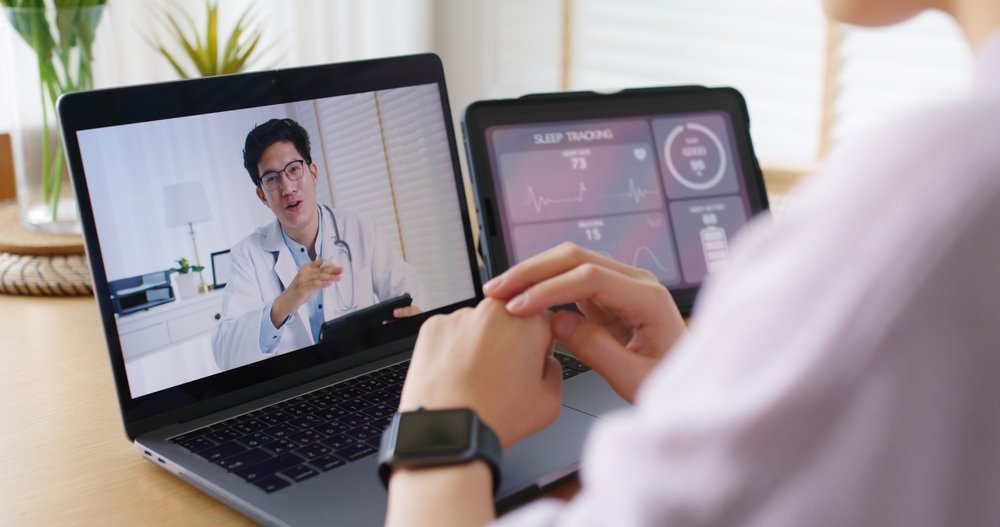
Telemedicine has changed the way people receive medical care. It allows patients to consult doctors, specialists, and healthcare teams through video calls, phone conversations, or secure messaging without visiting a clinic in person. This approach removes distance barriers and helps more people get timely support for common and chronic conditions.
What Is Telemedicine?
Telemedicine refers to the use of digital technology to deliver clinical healthcare services remotely. It includes real-time video visits, store-and-forward methods where images or data are shared for later review, and remote patient monitoring with connected devices. Providers use secure platforms that protect patient privacy while enabling diagnosis, treatment recommendations, prescriptions, and follow-up care.
Unlike general telehealth education or wellness apps, telemedicine focuses on clinical interactions between licensed professionals and patients. It supports primary care, specialty consultations, mental health sessions, and chronic disease management.
Key Benefits of Telemedicine
Patients and providers gain clear advantages from virtual care models.
Improved Access to Care
People in rural or underserved areas often travel long distances for appointments. Telemedicine eliminates much of that travel. Patients can connect with specialists who may not practice locally. This expands options for those with mobility challenges, busy schedules, or limited transportation.
Cost and Time Savings
Virtual visits typically cost less than in-person appointments for many common conditions. Studies show average episode costs can drop significantly when care starts online. Patients also save on travel, parking, and time away from work. Providers reduce no-show rates and can manage lower-acuity cases more efficiently.
Better Chronic Disease Management
Remote monitoring tools track blood pressure, glucose levels, heart rate, and other metrics. Clinicians review data between visits and adjust treatment quickly. This leads to fewer hospitalizations for conditions such as heart failure, diabetes, and hypertension in many programs.
Convenience and Patient Satisfaction
Most users report high satisfaction with the quality of virtual care. Appointments fit into daily life more easily. Follow-up visits become simpler, which encourages better adherence to treatment plans.
How Telemedicine Works
The process remains straightforward for most patients.
- Schedule an appointment through a clinic portal, app, or phone.
- Receive a secure link or dial-in details before the visit.
- Join the session from a private space with a stable internet connection or phone signal.
- Discuss symptoms, share relevant history, and receive guidance or prescriptions as appropriate.
- Complete any recommended follow-up, lab work, or in-person care if needed.
Providers verify identity, document the encounter, and bill according to current regulations. Many platforms integrate with electronic health records so care remains continuous.
Common Uses and Applications
Telemedicine suits a wide range of needs:
- Primary care for colds, rashes, urinary tract infections, and medication refills
- Mental health counseling and therapy sessions
- Specialty consultations in dermatology, endocrinology, and cardiology
- Post-surgical follow-ups and wound checks
- Prenatal and postpartum support in appropriate cases
- Remote monitoring for chronic conditions
Certain situations still require in-person evaluation, such as emergencies, complex physical exams, or procedures. Clinicians guide patients on when virtual care is appropriate.
Challenges and Considerations
Despite strong growth, some barriers remain. Reliable broadband access is essential yet uneven in rural regions. Digital literacy varies among older adults and other groups. Licensing rules across state or national borders can limit provider options. Reimbursement policies continue to evolve, though many temporary flexibilities have become more permanent.
Privacy and security demand strict HIPAA-compliant platforms. Patients should use private locations and secure devices. Providers must confirm that the technology supports clear communication and accurate clinical decisions.
The Future of Telemedicine
The global telemedicine and digital health market continues expanding. Projections show strong growth driven by AI tools, wearable devices, and hybrid care models that blend virtual and in-person services. Virtual care already accounts for a meaningful share of visits in many systems and may reach 25–30% of U.S. medical encounters in the near term under supportive policies.
Expect deeper integration of remote monitoring, predictive analytics, and seamless transitions between home and clinic care. Rural health programs and permanent reimbursement reforms will further solidify its role. The focus will shift toward quality, equity, and interoperability so every patient benefits.
Frequently Asked Questions
Is telemedicine as effective as in-person care?
For many conditions, clinical outcomes match traditional visits. Chronic disease management and follow-up care often show equal or better results when paired with monitoring.
What technology do I need?
A smartphone, tablet, or computer with a camera and microphone works for video visits. Phone-only options exist in some cases. A stable internet connection improves the experience.
Can I get prescriptions through telemedicine?
Yes, for appropriate conditions. Providers follow the same clinical standards and controlled-substance rules as in-person care.
Does insurance cover telemedicine?
Most major insurers and Medicare cover many virtual visits. Coverage details vary by plan and location, so check with your provider or insurer.
When should I choose in-person care instead?
Seek emergency care for severe symptoms such as chest pain, difficulty breathing, or major injuries. Complex exams or procedures also require face-to-face visits.
Conclusion
Telemedicine delivers convenient, effective, and often more affordable healthcare. It expands access for people who previously faced barriers and supports better management of ongoing conditions. As technology advances and policies stabilize, virtual care will remain a core part of modern medicine. Patients who understand how it works can use it confidently alongside traditional services for a more complete approach to health.


One thought on “Telemedicine: Transforming Healthcare Through Virtual Care”