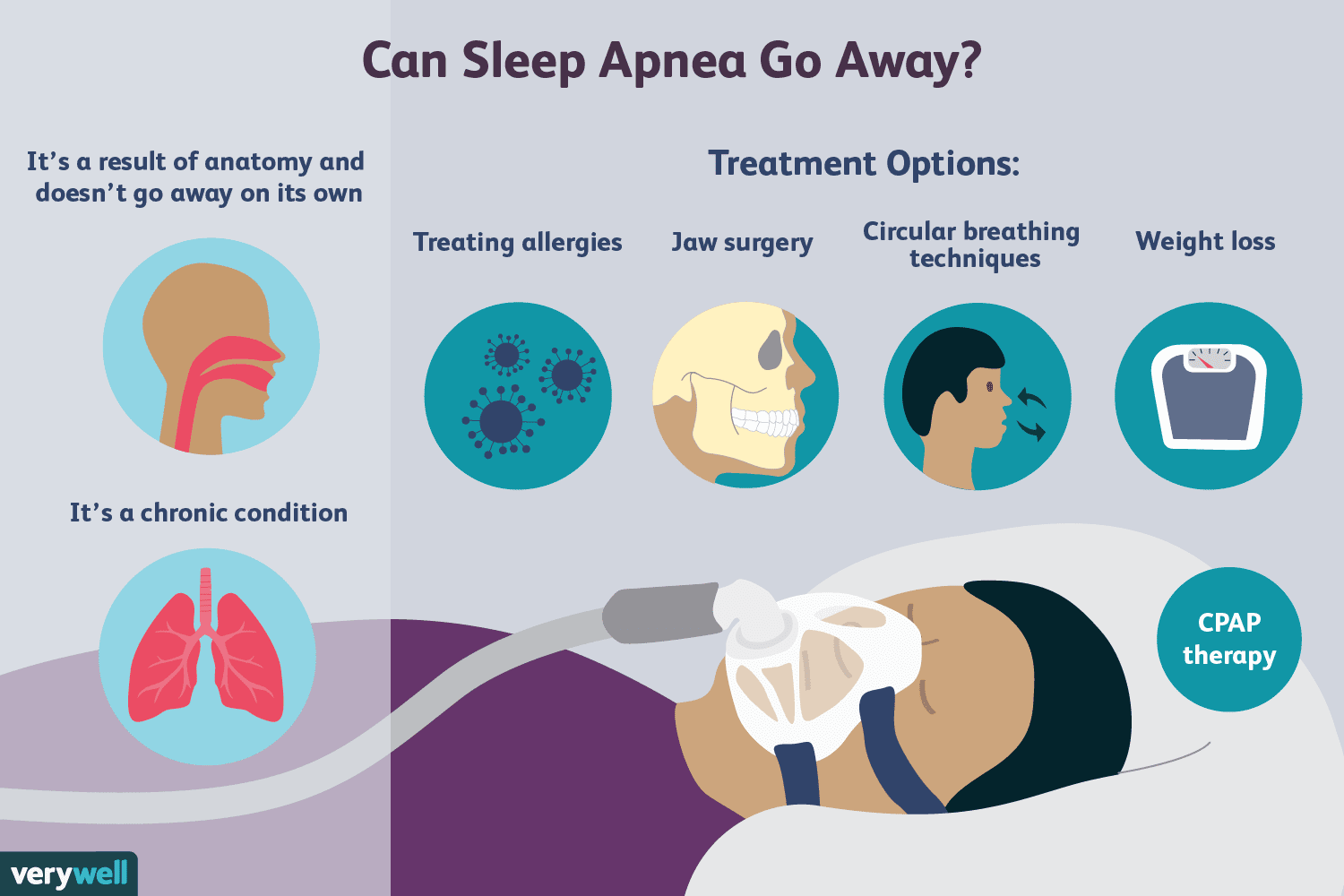
Sleep hygiene for sleep apnea plays a vital role in managing this common sleep disorder. People who adopt consistent healthy habits often experience fewer breathing interruptions at night. These practices complement medical treatments like CPAP therapy and help individuals wake up feeling more refreshed.
Sleep apnea causes repeated pauses in breathing during sleep, which leads to fragmented rest and daytime fatigue. Obstructive sleep apnea (OSA), the most prevalent type, occurs when throat muscles relax excessively. Good sleep hygiene addresses contributing factors and supports overall respiratory health during rest.
Understanding Sleep Apnea and Its Impact
Sleep apnea affects millions worldwide. It disrupts normal sleep cycles and strains the cardiovascular system. Symptoms include loud snoring, gasping for air, morning headaches, and excessive daytime sleepiness.
Left untreated, it raises risks for high blood pressure, heart disease, and diabetes. Many patients benefit from combining medical interventions with lifestyle adjustments. Sleep hygiene practices target environmental and behavioral elements that worsen apnea episodes.
Doctors often recommend these changes alongside devices or surgery. Patients notice improvements in sleep continuity and energy levels when they implement them consistently.
Why Sleep Hygiene Matters for Sleep Apnea Management
Proper sleep habits reduce the severity of apnea events. They promote deeper, more restorative sleep stages. Experts emphasize that behavioral modifications enhance treatment adherence and outcomes.
Consistent routines regulate the body’s internal clock. This stability minimizes airway collapse risks during sleep. Patients who prioritize sleep hygiene report better compliance with CPAP machines and fewer symptoms overall.
Key Sleep Hygiene Practices for Better Rest
Establish a Consistent Sleep Schedule
Go to bed and wake up at the same times every day, including weekends. This practice strengthens circadian rhythms and improves sleep quality. Aim for 7-9 hours of sleep nightly.
Avoid irregular schedules that confuse your body’s natural patterns. Set a fixed bedtime alarm and stick to it. Over time, this habit makes falling asleep easier and reduces nighttime awakenings.
Create an Optimal Sleep Environment
Keep your bedroom cool, dark, and quiet. Use blackout curtains, earplugs, or white noise machines if needed. A comfortable mattress and supportive pillows encourage side sleeping, which helps keep airways open.
Reserve the bed for sleep and intimacy only. Remove electronics and work materials to strengthen the mental association between bed and rest.
Optimize Your Sleep Position
Side sleeping with a straight back reduces apnea severity and snoring. Elevate your head slightly with a suitable pillow. Avoid stomach sleeping if it strains your neck, though some find it helpful for mild cases.
Specialized positional therapy devices can train the body to maintain beneficial positions throughout the night.
Limit Alcohol, Caffeine, and Heavy Meals
Avoid alcohol for at least 2-4 hours before bed, as it relaxes throat muscles and worsens airway obstruction. Cut caffeine intake after midday. Eat light dinners and finish them several hours before bedtime.
These substances fragment sleep architecture. Replacing evening drinks with herbal tea supports smoother breathing patterns.
Incorporate Regular Physical Activity
Exercise regularly to strengthen respiratory muscles and promote weight management. Moderate activities like walking or swimming improve sleep quality without overstimulating the body close to bedtime.
Aim for at least 30 minutes most days. Avoid intense workouts right before sleep.
Develop a Relaxing Bedtime Routine
Wind down with calming activities such as reading, gentle stretching, or meditation. Dim lights and avoid screens for at least 30-60 minutes before bed to preserve melatonin production.
A predictable routine signals the body that sleep time approaches.
Additional Lifestyle Changes to Support Sleep Hygiene
Maintain a healthy weight, as excess tissue around the neck contributes to airway narrowing. Quit smoking, which irritates airways and increases inflammation. Manage stress through techniques like deep breathing or journaling.
Limit daytime naps to 20-30 minutes if necessary, and avoid them late in the afternoon.
Common Challenges and How to Overcome Them
Many people struggle with consistency at first. Start with one or two changes and build gradually. Track your sleep in a journal to monitor progress and identify triggers.
Consult a sleep specialist for personalized advice. They may recommend cognitive behavioral therapy for insomnia (CBT-I) alongside hygiene practices.
FAQs About Sleep Hygiene for Sleep Apnea
What is the best sleep position for sleep apnea?
Side sleeping generally works best as it keeps airways more open compared to back sleeping.
Can sleep hygiene replace CPAP therapy?
No. Sleep hygiene complements medical treatments but does not replace them for moderate to severe cases.
How quickly do sleep hygiene improvements show results?
Many people notice benefits within a few weeks of consistent practice, though individual results vary.
Should I avoid all screens before bed?
Yes, ideally for at least one hour. Blue light suppresses melatonin and disrupts sleep cycles.
Does exercise help sleep apnea directly?
Yes. Regular activity can reduce symptom severity even without significant weight loss.
Conclusion
Implementing strong sleep hygiene for sleep apnea empowers individuals to take control of their rest and health. These practical habits—consistent schedules, optimal environments, mindful substance use, and relaxing routines—reduce symptoms and enhance treatment effectiveness. Patients who commit to these changes often enjoy deeper sleep, more energy, and improved well-being. Consult healthcare professionals to tailor strategies to your needs, and start small for sustainable progress. Better nights lead to brighter days.