Ideal nutrition forms the cornerstone of vibrant health and sustained energy. It goes beyond calorie counting and focuses on supplying the body with the precise mix of nutrients it needs every day. When people prioritize ideal nutrition, they support cellular repair, immune function, mental clarity, and long-term disease prevention. This guide explores what ideal nutrition truly means, its essential components, practical ways to achieve it, and answers to common questions so you can apply the principles immediately.
What Is Ideal Nutrition?
Ideal nutrition means consuming the right balance of macronutrients, micronutrients, fiber, and water in amounts that match individual needs based on age, activity level, gender, and health goals. It is not a rigid diet but a flexible pattern of eating that emphasizes whole, nutrient-dense foods while limiting ultra-processed items, excess sugar, and unhealthy fats.
Experts agree that ideal nutrition supports optimal body composition, stable blood sugar, healthy digestion, and strong immunity. The concept evolves with scientific understanding yet rests on timeless principles: variety, moderation, and quality.
Core Components of Ideal Nutrition
Macronutrients: The Energy Providers
Proteins, carbohydrates, and fats deliver the bulk of daily energy.
- High-quality protein from lean meats, fish, eggs, dairy, legumes, and plant sources builds and repairs tissues. Most adults need 0.8–1.6 grams per kilogram of body weight depending on activity.
- Complex carbohydrates from whole grains, fruits, vegetables, and starchy plants supply steady glucose for the brain and muscles. Aim for fiber-rich options that stabilize energy.
- Healthy fats from avocados, nuts, seeds, olive oil, and fatty fish support hormone production, brain health, and absorption of fat-soluble vitamins.
Balancing these three groups prevents energy crashes and supports satiety.
Micronutrients: The Vital Spark
Vitamins and minerals act as cofactors in thousands of biochemical reactions. Key players include:
- Vitamin D and calcium for bone strength
- Iron and B vitamins for oxygen transport and energy metabolism
- Antioxidants such as vitamins C and E plus zinc and selenium that combat oxidative stress
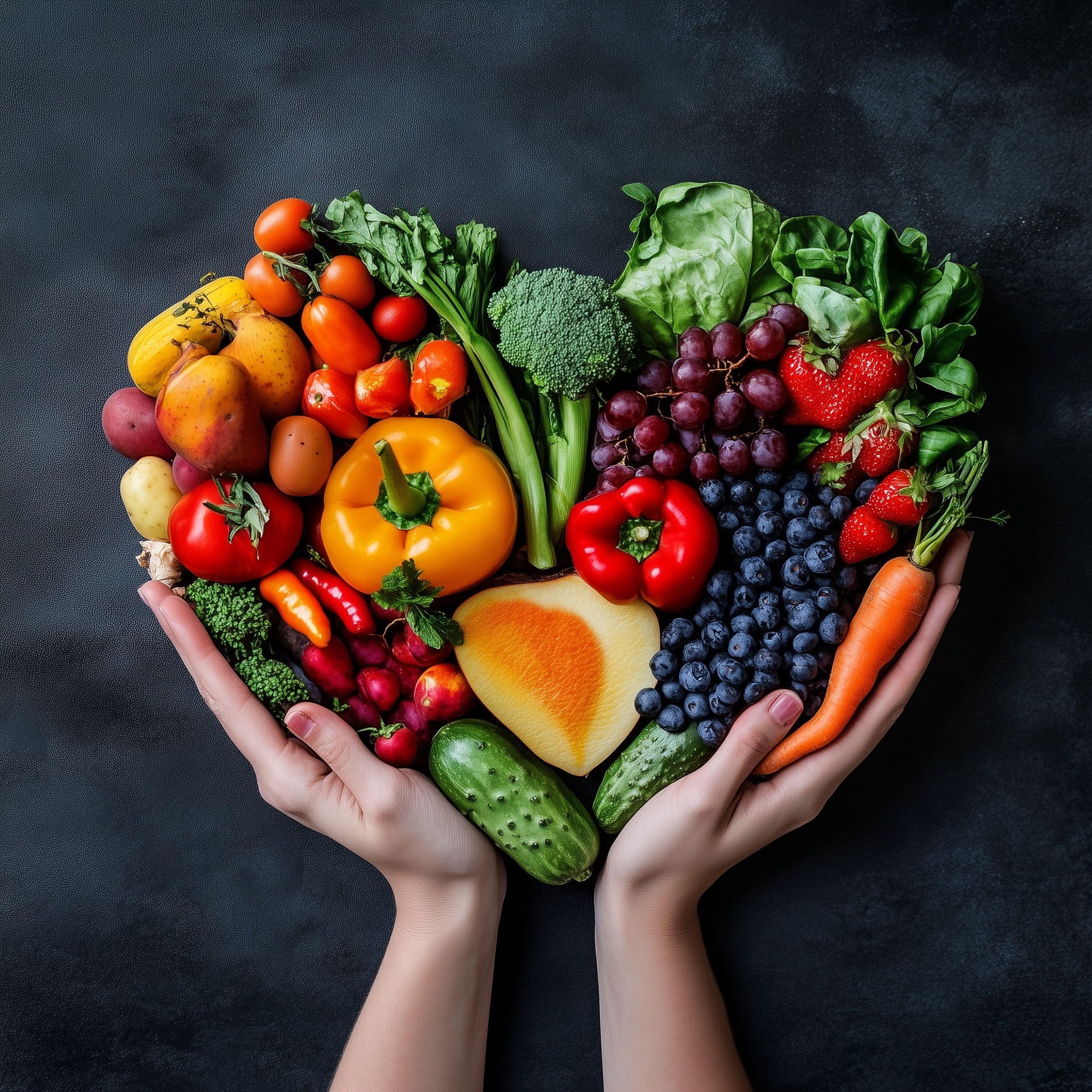
A colorful plate of fruits and vegetables usually covers most micronutrient needs. In cases of limited sun exposure or restrictive diets, targeted supplementation under professional guidance can help close gaps.
Hydration and Fiber
Water regulates temperature, transports nutrients, and aids waste removal. Most people require 2–3 liters daily from drinks and water-rich foods. Dietary fiber from vegetables, fruits, whole grains, and legumes supports gut health, blood sugar control, and cholesterol management. Adults should target 25–38 grams per day.
Proven Benefits of Ideal Nutrition
People who consistently practice ideal nutrition experience measurable improvements. Energy levels rise because the body receives steady fuel rather than spikes and crashes. Immune responses strengthen as antioxidant and protein intake supports white blood cell function.
Long-term advantages include lower risk of heart disease, type 2 diabetes, certain cancers, and cognitive decline. Weight management becomes easier when meals are nutrient-dense and satisfying. Mental health also benefits; research links balanced intake of omega-3 fats, B vitamins, and magnesium with reduced symptoms of anxiety and depression.
Skin, hair, and nail quality improve as collagen production and cellular turnover receive proper support. Athletes notice faster recovery and better performance when ideal nutrition aligns with training demands.
Practical Steps to Achieve Ideal Nutrition
Build Balanced Meals
Use the plate method: fill half with non-starchy vegetables, one-quarter with quality protein, and one-quarter with complex carbohydrates, then add a source of healthy fat. This simple visual cue works for most people without calorie tracking.
Plan and Prepare
Weekly meal planning reduces reliance on convenience foods. Batch-cook proteins and grains, wash and chop produce, and keep healthy snacks ready. Reading ingredient lists helps avoid hidden sugars and additives.
Listen to Hunger and Fullness Cues
Mindful eating prevents both under- and over-eating. Eat slowly, put devices away, and stop when comfortably satisfied rather than stuffed.
Adjust for Life Stages and Goals
Growing children, pregnant women, older adults, and highly active individuals have different requirements. Pregnant people need more folate and iron. Older adults may require extra protein and vitamin B12. Consulting a registered dietitian ensures personalization.
Limit Common Pitfalls
Reduce sugary drinks, refined grains, and frequent fried foods. Alcohol in excess displaces nutrients and stresses the liver. Occasional treats fit within ideal nutrition when the overall pattern remains strong.
Common Myths About Ideal Nutrition
Many believe ideal nutrition requires expensive superfoods or strict elimination of entire food groups. In reality, affordable staples such as eggs, beans, seasonal produce, and oats deliver excellent nutrition. Another myth claims carbohydrates are inherently harmful; quality and quantity matter far more than total avoidance. Finally, supplements cannot replace a poor diet—they only complement solid food choices.
Frequently Asked Questions
What does ideal nutrition look like on a daily basis?
A typical day includes three balanced meals and optional nutrient-dense snacks. Breakfast might feature eggs with vegetables and whole-grain toast. Lunch could be a large salad with grilled chicken or legumes, quinoa, and olive oil. Dinner often centers on fish or plant protein, roasted vegetables, and a complex carbohydrate. Water remains the primary beverage.
How many calories does ideal nutrition require?
Calorie needs vary widely. Sedentary women often need 1,600–2,000 calories; active men may require 2,500–3,000 or more. Focus first on nutrient quality; energy balance follows more naturally.
Can ideal nutrition help with weight loss?
Yes. Nutrient-dense foods increase satiety, stabilize blood sugar, and reduce cravings. Combined with appropriate portion sizes and activity, the approach supports sustainable fat loss while preserving muscle.
Is ideal nutrition the same for everyone?
Core principles remain consistent, yet individual factors such as genetics, microbiome, cultural preferences, and medical conditions require customization. A one-size-fits-all plan rarely succeeds long term.
How long does it take to notice benefits?
Many people feel more energy and better digestion within one to two weeks. Visible changes in body composition, lab markers, and skin often appear after four to twelve weeks of consistent practice.
Do I need to track macros forever?
Tracking can educate beginners, yet the goal is intuitive eating guided by hunger, energy, and performance. Most people transition successfully to flexible, non-tracked ideal nutrition after learning the basics.
Conclusion
Ideal nutrition is both a science and a daily practice. By emphasizing whole foods, balancing macronutrients, covering micronutrient needs, staying hydrated, and listening to the body, anyone can build a foundation for lasting health. Start with one or two changes this week—add an extra serving of vegetables, swap refined grains for whole versions, or drink more water—and build momentum. Consistency over perfection delivers the greatest rewards. When ideal nutrition becomes a sustainable habit rather than a temporary diet, energy, resilience, and quality of life rise together.