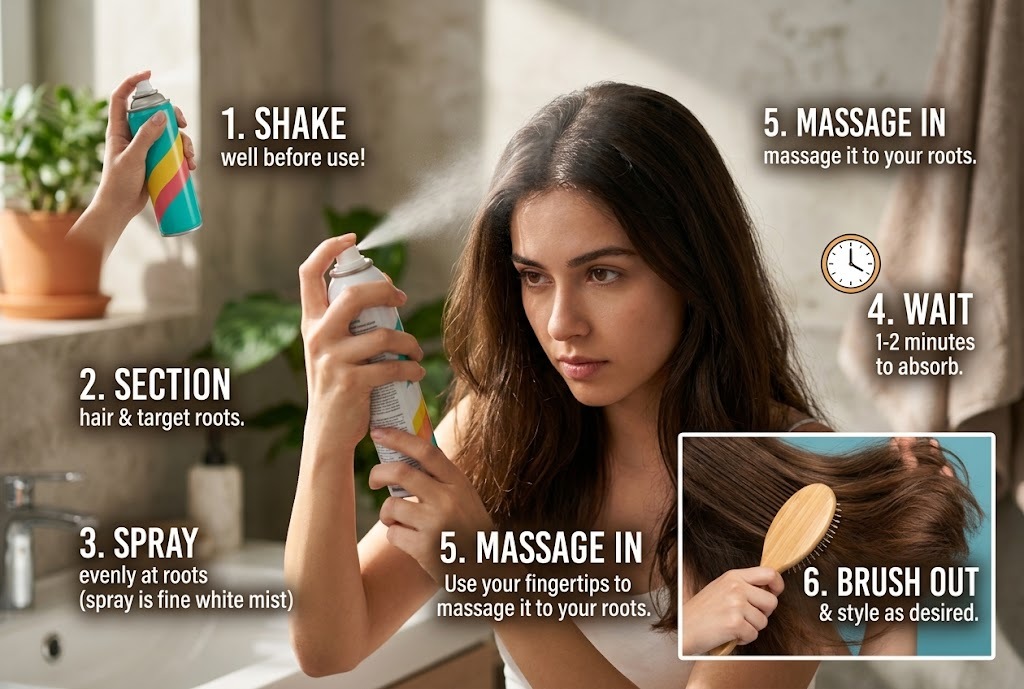
Dry shampoo has become a staple in many people’s hair care routines, offering a quick fix when there’s no time for a full wash. It absorbs excess oil, adds volume, and refreshes the scalp without water. Used correctly, it can extend the life of your style, reduce washing frequency, and help protect hair from over-cleansing. Used incorrectly, it can leave residue, weigh hair down, or irritate the scalp. This guide walks through practical steps, product selection, application techniques, and common mistakes so you can get the best results.
Understanding How Dry Shampoo Works
Dry shampoo typically contains starches, clays, or powders that bind to sebum on the scalp and hair shaft. Many formulas also include ingredients that add light texture or a subtle fragrance. The goal is not to clean the hair the way traditional shampoo does, but to soak up oil and create a cleaner appearance and feel. Because it does not rinse away dirt or product buildup the way water-based shampoo does, it works best as a temporary bridge between washes rather than a complete replacement.
People with fine or oily hair often see the most dramatic benefits, while those with very dry or coily hair may need lighter formulas or less frequent use. Choosing a product that matches your hair type and concerns improves results and reduces the chance of unwanted residue or dryness.
Choosing the Right Dry Shampoo
Not all dry shampoos perform the same. Look for formulas labeled for your hair type or specific needs. Aerosol sprays are popular for even distribution and volume. Powder or foam versions can offer more control and less propellant. Tint-matched options help prevent a white cast on darker hair. Fragrance-free or sensitive-scalp formulas reduce the risk of irritation for those with reactive skin.
Check the ingredient list for absorbents such as rice starch, cornstarch, or silica. Avoid heavy silicones or oils if your main goal is oil control. If you color-treat or chemically process your hair, select a product marketed as color-safe. Reading recent reviews and checking for third-party testing or dermatologist recommendations can help identify reliable options. Store the product according to the label—most aerosols should be kept upright and away from heat.
Step-by-Step Guide to Applying Dry Shampoo
Start with dry hair. Applying dry shampoo to damp or wet hair reduces its effectiveness and can create clumps. Section the hair if needed, especially if you have thick or long hair, so the product reaches the roots evenly.
Hold the can or applicator six to ten inches away from the scalp. Focus on the areas that tend to get greasy first—usually the crown, hairline, and part. Spray or apply in short bursts rather than one long continuous stream. For powder formulas, sprinkle sparingly and work it in with clean fingertips or a brush.
After application, wait thirty seconds to a couple of minutes. This gives the absorbent ingredients time to bind to the oil. Then massage the product into the roots with your fingertips using gentle circular motions. The massage helps distribute the powder and lifts the hair for added volume. Once massaged, brush or comb through the hair thoroughly. This removes excess product and blends any remaining powder so it is less visible. Style as usual—many people find that dry shampoo adds grip that holds curls, waves, or updos better.
If you notice a white cast, especially on dark hair, keep massaging and brushing. A clean makeup brush or soft toothbrush can help blend residue along the hairline. For very oily days, you can reapply lightly to the most affected spots rather than saturating the entire head.
Timing and Frequency Tips
Use dry shampoo on the second or third day after washing for most people. Applying it too soon after a wash wastes product because there is little oil to absorb. Overusing it—day after day without a proper wash—allows buildup to accumulate. Most experts recommend limiting dry shampoo to two or three consecutive days and then washing with regular shampoo and conditioner to reset the scalp.
Morning application works well for people whose hair looks flat overnight. Evening use can refresh hair before an event. If you exercise or live in a humid climate, you may need it sooner. Listen to your hair and scalp: increased itchiness, flaking, or a dull appearance signals it is time for a thorough cleanse.
Common Mistakes and How to Avoid Them
One frequent error is applying too much product. Excess powder sits on the hair, looks chalky, and can make strands feel stiff or dirty. Start with less and add only if needed. Another mistake is skipping the massage and brush-out steps. Leaving the product on the surface reduces its oil-absorbing power and increases visibility.
Spraying too close to the scalp can cause concentrated white spots or an uneven texture. Holding the can farther away creates a finer mist. Using dry shampoo as a permanent substitute for washing is also problematic. The scalp still needs periodic cleansing to remove dead skin cells, sweat, and environmental debris. Neglecting this can contribute to irritation or, in some cases, folliculitis.
People with sensitive scalps sometimes experience dryness or itching from certain alcohols or fragrances. Switching to a gentler formula or reducing frequency usually helps. If irritation persists, discontinue use and consult a dermatologist.
Extra Tips for Better Results and Hair Health
For added volume, flip your head upside down while spraying and massaging. This lifts the roots. If your hair is fine, focus only on the roots and avoid the lengths to prevent weighing them down. Those with curly or textured hair may prefer applying only at the roots and then fluffing with fingers rather than brushing, which can disrupt the curl pattern.
Pair dry shampoo with a clarifying shampoo once every one to two weeks if you use styling products regularly. This removes residual buildup. Protect colored hair by choosing formulas free of harsh sulfates in your regular wash routine as well. Keep the nozzle of aerosol cans clean so the spray remains even.
Travel-sized versions are convenient for gym bags or overnight trips. In a pinch, cornstarch or arrowroot powder can serve as a homemade alternative, though commercial products are usually more refined and less likely to leave a heavy residue.
When to Skip Dry Shampoo or Seek Professional Advice
If you notice persistent scalp redness, severe flaking, or hair shedding that coincides with dry shampoo use, stop and evaluate. Underlying conditions such as seborrheic dermatitis or product sensitivity may require medical guidance. Pregnant individuals or those with specific allergies should check ingredient lists carefully.
Dry shampoo is a useful tool, not a miracle. Combined with a balanced washing schedule, gentle handling, and products suited to your hair type, it can keep hair looking fresher longer while reducing the stress of daily washing.



One thought on “How to Use Dry Shampoo the Right Way for Better Results.”