Physical health forms the foundation of overall well-being. In essence, it refers to the state of the body and its ability to function effectively, resist illness, and support daily activities without unnecessary limitation. Moreover, a precise definition goes beyond the simple absence of disease. Instead, it includes the body’s capacity to perform work, recover from stress, maintain energy, and adapt to physical demands over time. Therefore, understanding this definition helps people make better decisions about lifestyle, prevention, and long-term vitality.
What Physical Health Really Means
Physical health describes how well the body’s systems operate together. These systems include the cardiovascular, muscular, skeletal, respiratory, immune, and metabolic networks. When they work efficiently, a person experiences strength, stamina, mobility, and resilience. As a result, good physical health allows someone to climb stairs without excessive fatigue, recover quickly after illness or exertion, and carry out routine tasks with ease.
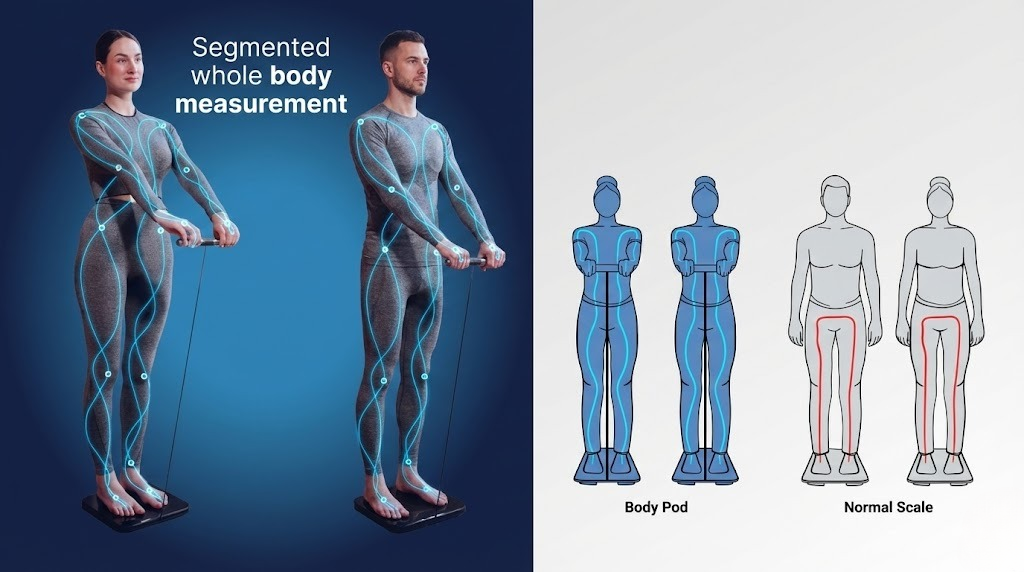
Furthermore, experts in public health and medicine view physical health as both a measurable condition and a dynamic process. Measurable aspects include body composition, blood pressure, cholesterol levels, aerobic capacity, and muscular strength. In addition, the dynamic side involves habits that continuously support or undermine these markers. Consequently, nutrition, movement, sleep, and stress management all influence the body’s current state and its trajectory over years.
Key Elements That Shape Physical Health
Several interconnected factors determine the quality of physical health. Each plays a distinct role yet interacts with the others. For this reason, addressing them together produces the strongest results.
Cardiovascular and Respiratory Fitness
The heart and lungs must deliver oxygen and nutrients efficiently. Regular aerobic activity strengthens the heart muscle, improves blood vessel elasticity, and increases lung capacity. People with strong cardiovascular fitness typically show lower resting heart rates, better blood pressure control, and reduced risk of heart disease and stroke. In particular, simple indicators include the ability to walk briskly or climb several flights of stairs while still able to hold a conversation. Therefore, building this capacity remains a priority for long-term health.
Musculoskeletal Strength and Flexibility
Bones, muscles, tendons, and joints provide structure and movement. Adequate strength protects against injury and supports posture. At the same time, flexibility and mobility allow joints to move through their full range without pain or restriction. Resistance training, bodyweight exercises, and mobility work help maintain these qualities across the lifespan. However, loss of muscle mass and bone density accelerates with age if these systems are neglected, increasing the risk of falls and fractures. As a result, consistent strength and mobility work becomes essential.
Body Composition and Metabolic Health
Healthy physical status includes a favorable ratio of lean mass to fat mass and stable metabolic function. Excess body fat, especially around the abdomen, correlates with insulin resistance, elevated inflammation, and higher rates of type 2 diabetes. In contrast, balanced nutrition that supplies sufficient protein, fiber, healthy fats, vitamins, and minerals supports metabolic efficiency. Moreover, consistent physical activity further improves how the body processes glucose and stores energy. Consequently, both diet and movement must work together.
Immune Function and Recovery Capacity
A well-functioning immune system identifies and responds to pathogens while avoiding chronic over-activation. Sleep quality, nutrient status, and moderate exercise all influence immune responsiveness. Meanwhile, recovery capacity refers to how quickly the body repairs tissue after exercise, injury, or illness. Adequate rest, protein intake, and management of overall stress load determine the speed and completeness of recovery. Therefore, protecting recovery time is just as important as training itself.
Sleep and Restorative Processes
Sleep is not optional downtime. During deep sleep stages the body consolidates muscle repair, regulates hormones, and clears metabolic waste from the brain. Chronic sleep restriction impairs glucose control, elevates cortisol, reduces motivation for physical activity, and weakens immune defenses. For this reason, most adults require seven to nine hours of quality sleep for optimal physical function. In addition, consistent sleep schedules further enhance these restorative benefits.
Why Physical Health Matters Beyond Appearance
Strong physical health reduces the risk of many chronic conditions, including cardiovascular disease, certain cancers, osteoporosis, and metabolic disorders. It also supports mental clarity and emotional stability because the body and brain share the same circulatory and hormonal systems. As a result, people who maintain good physical condition often report higher energy levels, better mood regulation, and greater capacity to handle daily stressors.
From a practical standpoint, physical health preserves independence. The ability to rise from a chair, carry groceries, or play with children depends on maintained strength and mobility. Furthermore, as populations age, the economic and social costs of poor physical health rise sharply through increased healthcare utilization and loss of productivity. Therefore, prevention through lifestyle remains one of the most effective strategies available.
How to Evaluate and Support Physical Health
Assessment can begin with basic self-observation and progress to clinical measures. Resting heart rate, blood pressure, waist circumference, and the ability to perform common functional movements provide useful starting points. In addition, laboratory markers such as fasting glucose, lipid panels, and inflammatory indicators offer deeper insight when available through medical care.
Improvement strategies focus on consistency rather than intensity alone. Progressive resistance training two to three times per week builds and preserves muscle. Meanwhile, moderate-intensity aerobic activity for at least 150 minutes weekly supports heart and lung health. A dietary pattern rich in whole foods, adequate protein, and limited ultra-processed items supplies the raw materials for tissue repair and energy. Moreover, prioritizing sleep hygiene and managing chronic stress complete the foundation.
Individual factors such as age, genetics, existing medical conditions, and access to resources influence the starting point and the rate of progress. Consequently, consulting qualified healthcare professionals ensures that recommendations remain safe and appropriate. Evidence-based guidelines from established health organizations provide reliable frameworks for most people