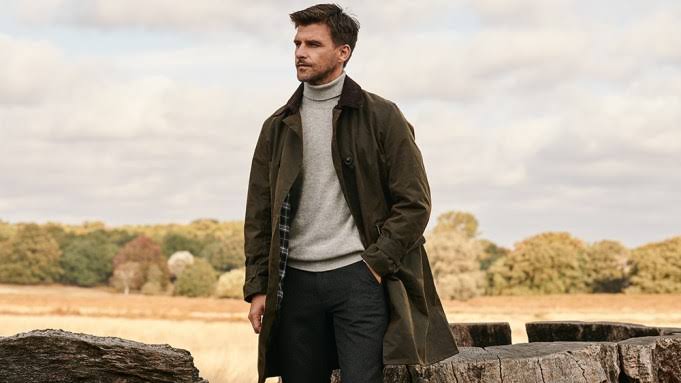
The Barbour jacket stands as one of Britain’s most enduring outerwear icons. For over 130 years, this waxed cotton classic has protected fishermen, farmers, motorcyclists, royalty, and style-conscious wearers against the elements while developing a distinctive lived-in character. Whether you search for a “Barbour jacket,” “Barbour wax jacket,” or specifically the iconic Barbour Barbour jacket styles, understanding its history, features, and care reveals why it remains a smart, long-term investment.
A Rich Heritage Rooted in Practicality
The story of the Barbour jacket begins in 1894 when Scotsman John Barbour opened a shop in South Shields in North East England. He supplied oilskins and protective garments to sailors, fishermen, and mariners facing the harsh North Sea weather. Early versions used treated fabrics for waterproofing; the brand later perfected waxed cotton, which offered superior durability without the strong odors of traditional oilcloth.
The family-owned business, now in its fifth generation and still based in the North East, expanded through mail-order catalogues and into motorcycling gear. In 1936, Duncan Barbour introduced the International suit for riders. The brand earned Royal Warrants and gained cultural prominence in the 1980s when styles like the Bedale and Beaufort, designed by Dame Margaret Barbour, became associated with countryside pursuits and the Sloane Ranger aesthetic popularized by figures such as Princess Diana.
Today, Barbour jackets balance heritage craftsmanship with modern versatility. Many core waxed styles continue to be made or finished in the UK, emphasizing quality that improves with age and proper care.
What Makes a Classic Barbour Jacket Unique
Four signature elements define the authentic Barbour wax jacket experience:
- Waxed cotton outer (typically medium-weight 6oz thornproof or Sylkoil) that sheds water and develops a unique patina.
- Corduroy collar for comfort and a traditional look.
- Heritage tartan lining (Classic Barbour or earlier Gordon variants).
- Sturdy hardware including brass two-way ring-pull zips, press studs, and storm flaps.
The fabric is treated with wax that beads rain while remaining relatively breathable. Thornproof offers a more traditional waxy feel; Sylkoil provides a matte, less sticky finish. Both deliver reliable wind and water resistance suitable for British weather or similar climates. Features such as bellows pockets, moleskin-lined handwarmers, and (on some models) a large rear game pocket add genuine utility beyond fashion.
Popular Barbour Jacket Styles Compared
Not all Barbour jackets are identical. The core waxed styles differ mainly in length, fit, and intended use:
Bedale (introduced 1980): Designed by Dame Margaret Barbour for equestrian use, this shorter, relaxed-fit jacket ends near the hips. It offers excellent mobility, rear vents, and easy layering. Ideal for everyday wear, shorter frames, or those wanting a less formal silhouette.
Beaufort (1983): Inspired by French shooting jackets, the Beaufort is slightly longer with a roomy, boxy cut and a distinctive full-width rear game pocket lined for easy cleaning. It remains one of the most recognizable and versatile Barbour jackets for layering and countryside or urban use.
Border: Longer still, suited to taller wearers or those seeking more coverage over suits or heavier layers.
Ashby and Beadnell: More tailored or women’s-specific updates on the classic formula, often in Sylkoil, for a cleaner modern fit while retaining waxed performance.
Other options include the Spey (fishing-inspired crop), International (motorcycle heritage), and various quilted or contemporary collaborations. For most buyers seeking the quintessential “Barbour jacket,” the Bedale or Beaufort delivers the strongest combination of heritage and practicality.
Care, Longevity, and Real-World Value
A well-maintained Barbour jacket can last decades—many owners pass them down. Waxed cotton requires specific care: never machine wash or use detergent, as this strips the protective coating. Spot-clean with cold water and a sponge or soft brush, then re-wax periodically with official Barbour Thornproof Dressing when water no longer beads. Professional re-waxing and repair services are widely available, reinforcing the brand’s commitment to longevity.
This repairability and the jacket’s ability to soften and character-develop with wear set it apart from disposable fashion. While the initial price is premium (often in the mid-to-high hundreds depending on model and region), the cost-per-wear becomes excellent over years of reliable service. The jackets perform in rain, wind, and cool temperatures, layer easily with sweaters or liners, and transition from rural walks to city streets without looking out of place.
Styling and Who Should Buy One
The Barbour jacket pairs effortlessly with jeans, chinos, knitwear, boots, or even smarter tailoring. Its understated British aesthetic works for both genders (many women wear men’s Bedale or Beaufort for an oversized look). Choose olive/sage for classic countryside vibes, navy or black for urban versatility, or other seasonal colours.
It suits anyone seeking durable weather protection with genuine heritage rather than fast-fashion trends. From outdoor enthusiasts to style minimalists who value pieces that age gracefully, the Barbour jacket delivers experience-backed performance and authoritative British design.
In summary, the Barbour jacket—whether the classic Bedale, Beaufort, or another waxed style—represents more than outerwear. It embodies over a century of practical innovation, family stewardship, and cultural resonance. Invest in one, care for it properly, and it will reward you with reliable protection and evolving character for years to come. For the authentic experience, prioritise core waxed models from reputable retailers and consider professional re-waxing to keep your Barbour jacket performing at its best.



One thought on “The Ultimate Guide to the Barbour Jacket: Heritage and Style”