Adolescent medicine focuses on the distinct healthcare needs of young people during a critical stage of life. This specialized field addresses the physical, emotional, social, and developmental changes that occur roughly between ages 10 and 25. Unlike general pediatrics or adult medicine, adolescent medicine recognizes that teenagers and young adults face unique challenges, including rapid growth, identity formation, risk-taking behaviors, and the transition to independence. Specialists in this area deliver care that supports healthy development and prevents long-term problems.
Understanding adolescent medicine helps parents, teens, and healthcare providers navigate this transitional period effectively. The field emphasizes a holistic approach that considers the whole person rather than isolated symptoms.
What Is Adolescent Medicine ?
Adolescent medicine, also called adolescent and young adult medicine, is a medical subspecialty dedicated to patients in the adolescent period. This stage begins with the onset of puberty and continues until physical growth stabilizes and young people achieve greater independence. In practice, specialists typically care for individuals from early adolescence through the mid-twenties.
The field emerged in the mid-20th century as physicians recognized that standard pediatric or adult approaches often missed the specific needs of this age group. Today, adolescent medicine physicians receive advanced fellowship training after residency in pediatrics, family medicine, or internal medicine. They gain expertise in developmental biology, behavioral health, reproductive care, and the social factors that influence teen well-being.
Key characteristics of the specialty include attention to confidentiality, respect for emerging autonomy, and integration of preventive strategies. Providers create environments where young patients feel comfortable discussing sensitive topics such as mental health, sexual activity, or substance use.
Why Adolescent Medicine Matters ?
Adolescence brings profound biological and psychosocial changes. The brain continues developing, particularly areas responsible for decision-making and impulse control. Hormonal shifts drive puberty, while social pressures from peers, school, and media intensify. Many lifelong health habits form during these years.
Without specialized care, common issues can escalate. Untreated mental health concerns may lead to chronic conditions. Risky sexual behaviors increase rates of sexually transmitted infections and unintended pregnancies. Substance experimentation can evolve into dependency. Chronic childhood illnesses such as asthma, diabetes, or congenital heart disease require careful management as patients transition toward adult care.
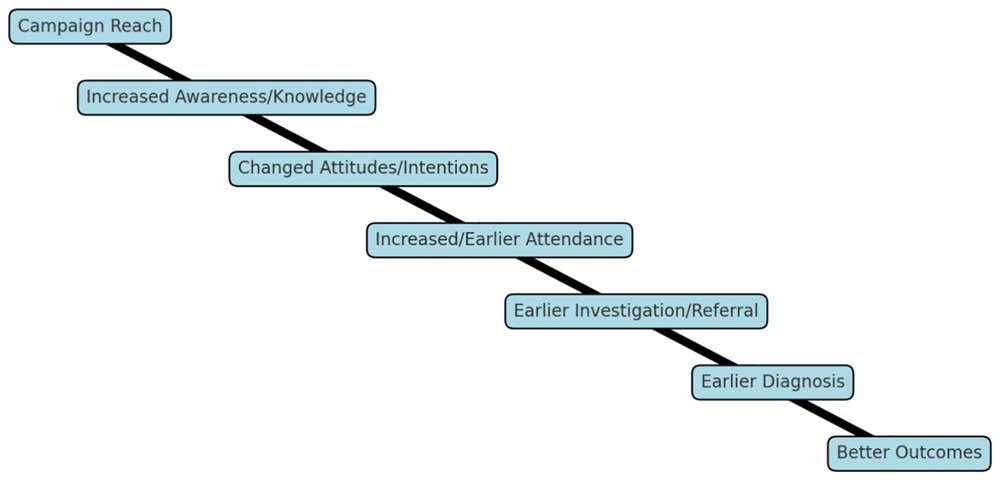
Adolescent medicine specialists bridge these gaps. They offer age-appropriate screening, counseling, and treatment that generalists may not emphasize as strongly. Research and clinical experience show that early, targeted intervention improves outcomes in physical health, emotional resilience, and academic or occupational success.
Core Areas of Focus in Adolescent Medicine
Specialists address a wide range of interconnected issues. The following sections outline the main domains.
Physical Growth, Puberty, and General Health
Providers monitor normal and abnormal patterns of growth and sexual maturation using tools such as Tanner staging. They evaluate concerns about delayed or precocious puberty, short or tall stature, acne, menstrual disorders, and musculoskeletal problems often related to sports. Nutrition, sleep, and exercise counseling form part of routine visits because these factors heavily influence development and energy levels.
Management of chronic conditions that began in childhood also falls within this scope. Specialists help patients and families prepare for the eventual shift to adult-oriented care systems.
Mental and Behavioral Health
Mental health represents a major focus. Depression, anxiety, eating disorders, and emerging mood or thought disorders frequently first appear or intensify during adolescence. Providers screen regularly, offer initial counseling or medication management when appropriate, and coordinate with mental health professionals. They also address school-related stress, peer conflicts, and identity exploration.
Substance use screening and brief interventions form another critical component. Early identification of tobacco, alcohol, cannabis, or other drug use allows timely support before patterns become entrenched.
Sexual and Reproductive Health
Confidential discussions about sexuality, gender identity, relationships, contraception, and sexually transmitted infection prevention are standard. Specialists provide evidence-based education, prescribe contraception including long-acting reversible methods when suitable, and perform necessary screening. They create safe spaces for LGBTQ+ youth and address concerns related to sexual orientation or gender-affirming care within appropriate medical guidelines.
Reproductive health visits also cover menstrual management, pregnancy options counseling when needed, and prevention strategies.
Preventive Care and Lifestyle Guidance
Annual well visits include immunizations (such as HPV, meningococcal, and Tdap boosters), vision and hearing checks, blood pressure screening, and anticipatory guidance. Providers discuss injury prevention, safe driving, media use, sleep hygiene, and healthy relationships. The goal is to equip young people with skills for lifelong wellness.
Who Provides Adolescent Medicine Services?
Board-certified adolescent medicine specialists complete residency followed by a dedicated fellowship, typically lasting two to three years. Certification is available through the American Board of Pediatrics, American Board of Internal Medicine, or American Board of Family Medicine. These physicians often work in children’s hospitals, academic medical centers, college health services, or specialized clinics focused on eating disorders, substance use, or reproductive health.
Primary care pediatricians, family physicians, and internists also deliver much of adolescent care and may refer complex cases to specialists. The collaborative model ensures most young people receive appropriate support while specialists handle higher-need situations.
Benefits of Seeking Specialized Adolescent care
Patients and families gain several advantages. Specialists understand the developmental context of symptoms and communicate in ways that respect emerging independence while involving parents appropriately. Confidentiality policies encourage honest disclosure. Comprehensive evaluations often uncover interconnected issues that siloed care might miss.
Young adults transitioning out of pediatric systems particularly benefit from guidance on self-advocacy, insurance navigation, and finding adult providers. Early investment in adolescent health reduces future healthcare costs and improves quality of life.
When Should Families Consider an Adolescent Medicine Specialist?
Consider a referral for concerns involving eating disorders, significant mental health symptoms, complex reproductive needs, substance use, gender identity questions, or difficulty managing chronic illness during the teen years. Primary care providers can facilitate access. Routine preventive visits with a knowledgeable clinician remain essential even without specialty referral.
Frequently Asked Questions
What age range does adolescent medicine cover?
Most specialists see patients from approximately 10 to 25 years old, though exact ranges vary by clinic. The focus remains on developmental stage rather than rigid age cutoffs.
Is care confidential?
Yes. Laws and professional standards protect confidentiality for many sensitive topics, with limited exceptions related to safety. Providers explain these boundaries clearly at the start of care.
How does adolescent medicine differ from regular pediatrics?
While pediatricians care for children through adolescence, adolescent medicine specialists receive extra training focused exclusively on the unique biological, psychological, and social needs of this transitional age group.
Do specialists only treat problems, or do they provide preventive care too?
Both. Preventive services, health education, and wellness counseling form core parts of the practice alongside diagnosis and treatment of specific conditions.
Can young adults continue seeing an adolescent medicine specialist after age 18?
Many clinics extend care into the mid-twenties, especially for patients still in school or managing ongoing developmental or chronic health issues. Transition planning eventually supports a move to adult care when appropriate.
Conclusion
Adolescent medicine plays a vital role in supporting young people through one of life’s most dynamic periods. By addressing physical development, mental health, sexual wellness, and preventive strategies in an integrated way, specialists help teens and young adults build foundations for healthy adulthood. Parents and caregivers who understand this field can better advocate for appropriate care and encourage open conversations about health. Seeking knowledgeable providers ensures that the challenges of adolescence become opportunities for growth rather than sources of lasting difficulty. Investing attention in adolescent health today yields benefits that extend across the lifespan.