Attending or competing in multi-day esports tournaments often means more than just showing up at the arena. Many players, coaches, and dedicated fans turn to camping setups near venues for flexibility, cost savings, team bonding, and uninterrupted practice time. This esports competition camping guide draws from practical experience supporting competitive players at large-scale events, covering everything from shelter and power to gear protection and daily routines so you stay sharp and comfortable throughout the competition.
Why Camping Makes Sense for Esports Events
Major tournaments frequently stretch across several days with early check-ins, late matches, and limited nearby hotel availability. Camping lets teams and individuals stay close to the venue, avoid expensive last-minute rooms, and maintain a dedicated space for scrims, VOD reviews, and recovery. It also supports the mobile lifestyle many competitive players already know—lightweight, high-performance setups that travel well. When done right, a solid camping base becomes an extension of the practice room rather than a compromise.
Choosing and Setting Up Your Shelter
Shelter forms the foundation of any successful esports competition camping setup. Prioritize weather resistance because moisture and electronics do not mix. Look for tents or portable structures with strong waterproof ratings, sealed seams, and enough internal space for both sleeping and a compact workstation.
A free-standing tent with a large vestibule works well for storing bags and creating a covered entry area. For groups, consider larger cabin-style tents or modular shelters that allow separate zones for rest and gaming. Always stake everything securely and use a groundsheet or footprint to protect against ground moisture. Position the shelter on higher, well-drained ground away from low spots that collect water. If the event allows, claim a spot with some natural wind protection or partial shade while still maintaining access to paths leading to the venue.
Power Solutions: The Non-Negotiable Priority
No power means no practice, no charging, and no VOD analysis. Tournament stations may exist inside the venue, but off-site downtime is where preparation happens. Invest in high-capacity portable power stations that deliver pure sine wave output—essential for sensitive gaming hardware. Models with solar input extend runtime when grid access is limited.
Calculate your total wattage needs in advance: laptop or compact PC, portable monitor, peripherals, phone, and any lighting or cooling devices. Bring multiple charging cables, power banks, and a small surge-protected strip. Test the entire chain at home before travel so you know exact runtimes under load. Keep power stations elevated and dry, and never run generators too close to tents if the venue permits them—exhaust and noise disrupt both rest and focus.
Essential Portable Gaming Gear Checklist
Travel light without sacrificing performance. Core items include:
- A tournament-ready lightweight laptop or mini-PC with solid cooling and sufficient RAM/storage
- Mechanical keyboard with preferred switches and a compact form factor
- High-DPI gaming mouse paired with a large, non-slip mousepad
- Noise-isolating headset with a reliable mic
- Portable 144 Hz or higher monitor that packs flat
- Cable management solutions and spare adapters
Protect everything in padded, water-resistant cases. Use desiccant packs inside gear bags to control humidity. Label all cables and keep a small toolkit for quick fixes. For team environments, designate shared storage for backup peripherals so no one is left without options if something fails.
Weather Preparation and Personal Comfort
Esports events happen year-round and in varied climates. Pack layered clothing that includes a lightweight waterproof jacket, breathable base layers, and quick-dry options. Cooling towels and a portable fan help in heat; thermal layers and insulated gloves matter when standing in lines during colder months.
Comfortable seating is critical for long review sessions. A compact camping chair with lumbar support or a portable gaming stool reduces fatigue. Sleep quality directly affects reaction time and decision-making, so bring a quality sleeping pad or inflatable mattress and a sleep mask or earplugs for noisy campgrounds. Maintain basic hygiene with wet wipes, hand sanitizer, and a small towel kit—clean hands and a clear head support better performance.
Daily Routine and Security Best Practices
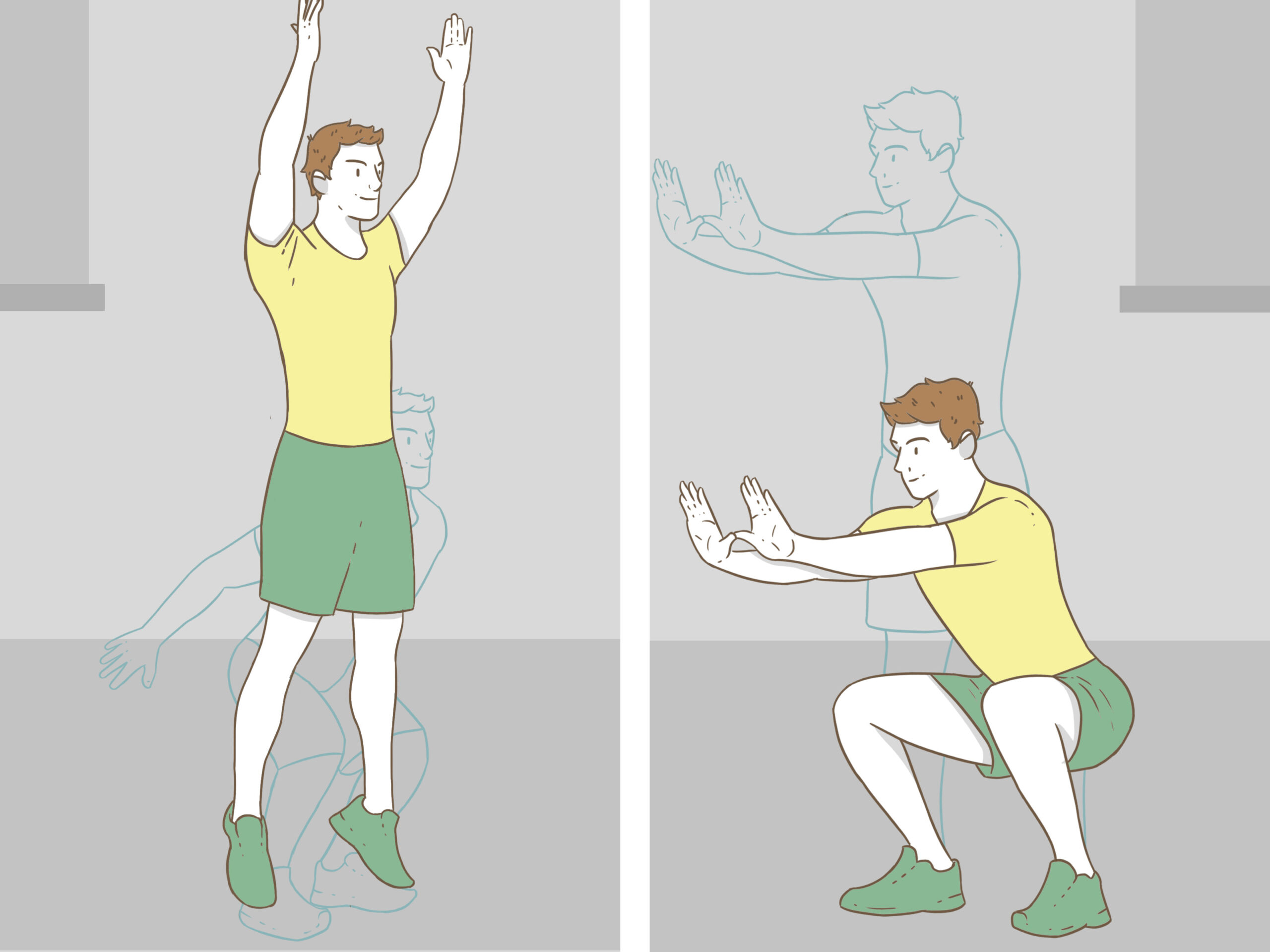
Structure your days around the tournament schedule. Morning power checks, short physical warm-ups or stretches, and focused practice blocks keep energy consistent. Use the campsite for focused work rather than constant socializing so mental sharpness remains high.
Security matters when expensive gear is involved. Never leave devices unattended. Use cable locks or lockable storage boxes when stepping away. Keep valuables out of sight and consider a simple motion-activated light near the entrance. Share location details only with trusted team members and know the venue’s emergency and medical access points.
Common Mistakes to Avoid
Underestimating power needs ranks as the most frequent error. Second is ignoring weather forecasts and arriving with inadequate shelter. Overpacking bulk items that never get used also slows setup and teardown. Finally, skipping a full home test of the portable station leads to avoidable frustration on site. Plan, pack deliberately, and leave buffer time for unexpected delays.