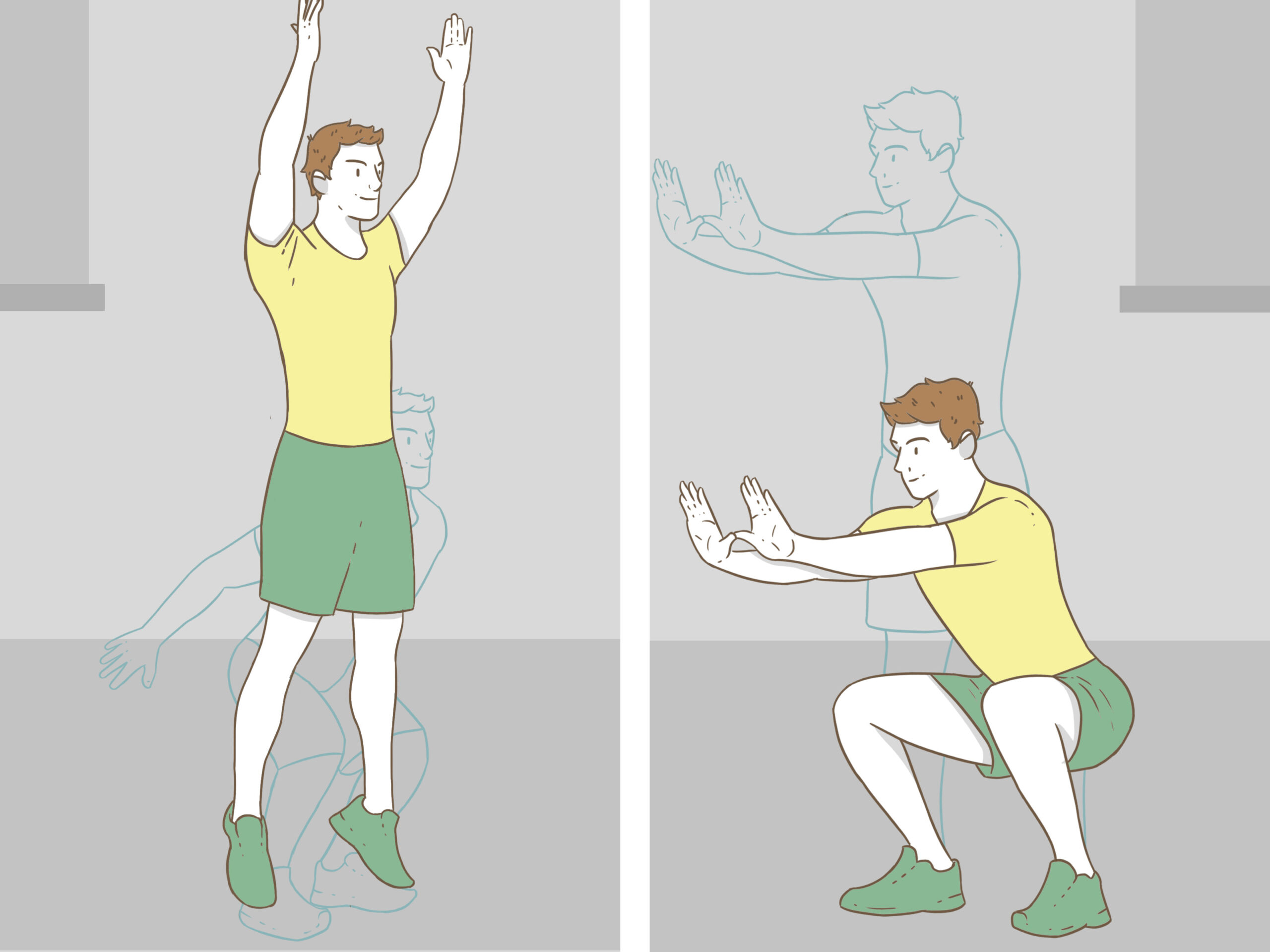
Learning how to get a higher vertical leap starts with understanding that explosive power comes from a combination of strength, speed, technique, and consistent recovery. Athletes in basketball, volleyball, and track often seek measurable gains in jump height. Progress happens through targeted training rather than random effort. This guide outlines practical steps that produce results when followed with discipline.
Understanding the Mechanics of a Vertical Jump
A vertical leap depends on the force generated by the legs and the speed at which that force is applied. The stretch-shortening cycle plays a central role. Muscles lengthen under load and then contract rapidly to propel the body upward. Stronger legs alone are not enough. The nervous system must recruit muscle fibers quickly.
Body weight also influences results. Excess mass reduces the height achieved for a given amount of force. Relative strength—force produced relative to body weight—matters more than absolute strength in many cases. Measuring your current jump height provides a baseline. Record the highest point reached from a standing position and from a short approach. Re-test every four to six weeks under the same conditions.
Building Foundational Strength
Lower-body strength forms the base for any increase in jump height. Squats, deadlifts, and lunges develop the muscles that drive the jump: quadriceps, hamstrings, glutes, and calves.
Squats and Variations
Back squats load the entire kinetic chain. Perform them with controlled depth so the thighs reach parallel or slightly below. Focus on driving through the mid-foot and keeping the torso upright. Front squats shift emphasis toward the quadriceps and core. Goblet squats serve as an accessible option for beginners. Aim for three to five sets of four to six repetitions with loads that challenge form but do not break it.
Posterior Chain Work
Romanian deadlifts and hip thrusts strengthen the hamstrings and glutes. These muscles contribute significantly to hip extension during takeoff. Single-leg Romanian deadlifts improve balance and correct side-to-side differences. Weaknesses on one side often limit overall jump performance.
Calf Development
Calf raises, both standing and seated, target the gastrocnemius and soleus. Strong calves help finish the jump by extending the ankles. Include variations that move through a full range of motion.
Strength sessions should occur two to three times per week. Allow at least 48 hours between heavy lower-body workouts. Progressive overload remains essential: gradually increase weight, sets, or repetitions over time.
Developing Explosive Power with Plyometrics
Once a solid strength base exists, plyometric training teaches the body to apply force rapidly. These exercises train the stretch-shortening cycle directly.
Box jumps teach athletes to leave the ground with intention. Choose a height that allows a soft landing and immediate rebound. Depth jumps involve stepping off a low box and exploding upward upon contact with the ground. The brief amortization phase between landing and takeoff is critical. Keep contact time short.
Broad jumps develop horizontal power that often transfers to vertical efforts. Single-leg hops and bounds improve unilateral explosiveness and address imbalances. Limit high-intensity plyometric volume. Two sessions per week with low total ground contacts prevent excessive fatigue and reduce injury risk. Quality of movement always takes priority over quantity.
Refining Jump Technique
Technique can add several inches without additional strength. Arm swing contributes meaningful upward momentum. Practice swinging the arms upward in coordination with leg extension. A short approach of two to three steps often produces greater height than a pure standing jump because it adds horizontal velocity that converts into vertical force.
Landing mechanics deserve equal attention. Soft landings with bent knees protect joints and prepare the body for subsequent jumps. Practice the full movement pattern slowly before adding speed or height. Film your jumps from the side to identify issues such as early heel lift or incomplete hip extension.
Mobility and Flexibility Considerations
Restricted ankles, hips, or thoracic spine limit force production and increase injury risk. Ankle mobility drills, such as controlled dorsiflexion against a wall, improve the ability to load the calves and Achilles tendon. Hip flexor stretches and glute activation exercises restore proper pelvic position.
Dynamic warm-ups before training sessions prepare tissues for explosive work. Include leg swings, walking lunges with rotation, and bodyweight squats. Static stretching is better reserved for cool-downs or separate mobility sessions.
Nutrition, Recovery, and Consistency
Muscles grow and the nervous system adapts during recovery, not during the workout itself. Adequate protein supports muscle repair. Carbohydrates replenish glycogen used in high-intensity sessions. Sleep of seven to nine hours each night allows hormonal processes that favor strength and power gains.
Overtraining stalls progress. Signs include persistent soreness, declining jump height, and elevated resting heart rate. Deload weeks every four to six weeks reduce volume while maintaining intensity. Tracking workouts, sleep, and jump measurements creates feedback that guides adjustments.
Sample Weekly Structure
A balanced program might include two strength days, two plyometric or power days, and mobility work on most days. One day can focus on technique and lighter jumps. Rest or active recovery fills the remaining time. Adjust volume according to sport season and individual recovery capacity. Beginners should master bodyweight movements and basic strength before adding advanced plyometrics.
Common Mistakes That Limit Progress
Many athletes jump into high-volume plyometrics without sufficient strength. This approach often leads to plateaus or injury. Neglecting unilateral work allows imbalances to persist. Ignoring recovery produces diminishing returns. Jumping with poor arm timing or incomplete extension wastes force. Focusing solely on the legs while neglecting core stability reduces transfer of power.
Consistency over months produces larger gains than intense but sporadic efforts. Small weekly improvements compound.
Frequently Asked Questions
How long does it take to increase vertical leap?
Most athletes notice measurable improvement within six to eight weeks of structured training. Larger gains of four to eight inches often require three to six months of progressive work.
Can taller athletes still improve their vertical?
Yes. Height does not prevent gains. Relative strength and technique remain the primary drivers regardless of stature.
Is weight training necessary?
Strength training accelerates progress for nearly all athletes. Those who already possess high relative strength may emphasize power and technique more heavily.
Should I train jumps every day?
Daily high-intensity jumping leads to fatigue and injury. Two to three focused sessions per week, combined with strength work, produce better long-term results.
Do shoes or equipment help?
Proper footwear with good cushioning and support aids training. Specialized jump-training devices offer limited benefit compared with consistent strength and plyometric work.
Conclusion
Increasing vertical leap requires deliberate strength development, explosive training, refined technique, and disciplined recovery. Progress follows when these elements are combined consistently rather than pursued in isolation. Measure starting height, follow a structured plan, and adjust based on results. Over time the combination of greater force production and faster application of that force produces a higher vertical leap that translates directly to improved athletic performance.