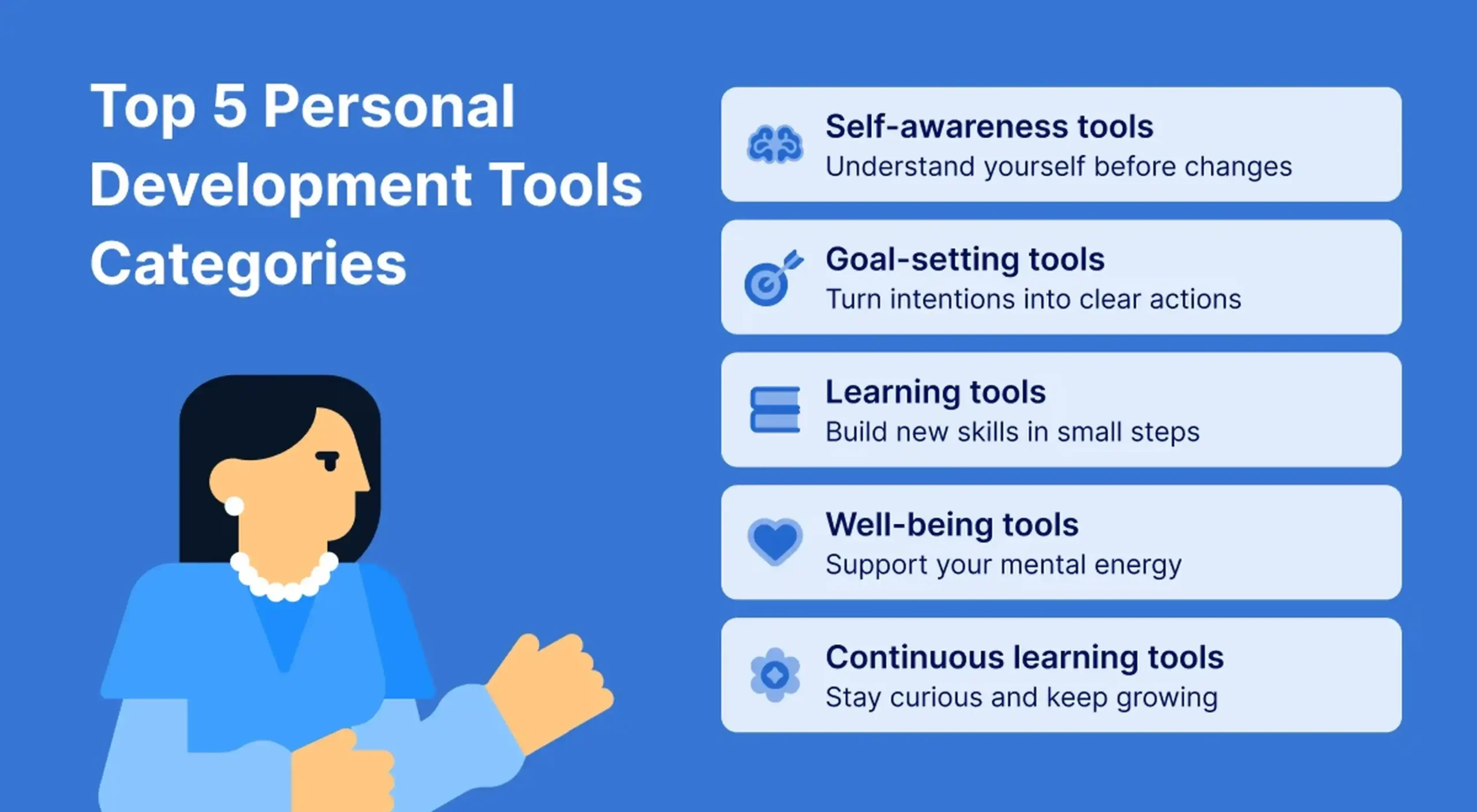
Personal development is more than a trendy phrase. It is a deliberate, ongoing process of improving self-awareness, skills, habits, and mindset to create a more fulfilling and effective life. Whether you want better career outcomes, stronger relationships, greater resilience, or simply a clearer sense of purpose, personal development provides the framework. In a world that changes rapidly, those who invest in their growth consistently outperform those who rely on luck or circumstances alone.
Why Personal Development Matters Now More Than Ever
Modern life presents unique pressures: constant digital distraction, economic uncertainty, and shifting social expectations. Without intentional growth, it is easy to drift into reactivity rather than intentional living. Research in psychology and behavioral science consistently shows that people who practice deliberate self-improvement report higher levels of well-being, better decision-making, and greater long-term success.
Personal development is not about perfection. It is about progress. Small, consistent actions compound over time. A person who improves by just 1 percent each day becomes nearly 38 times better after a year through the power of compounding. This principle applies equally to emotional intelligence, physical health, professional skills, and financial habits.
Building Self-Awareness as the Foundation
Every meaningful change begins with honest self-assessment. Self-awareness allows you to recognize patterns in your thinking, emotional triggers, and behavioral tendencies. Without it, efforts at improvement often miss the real issues.
Practical ways to strengthen self-awareness include journaling, seeking feedback from trusted people, and regular reflection. Ask yourself: What situations drain my energy? Which habits support my goals and which undermine them? Where do I tend to make the same mistakes? Tracking these observations over weeks reveals patterns that intuition alone often misses.
Personality assessments, when used thoughtfully rather than rigidly, can also provide useful language for understanding preferences and blind spots. The goal is not to label yourself permanently but to gain clarity that informs better choices.
Setting Goals That Actually Drive Progress
Vague aspirations rarely produce results. Effective personal development relies on clear, specific goals connected to deeper values. Instead of “I want to be more successful,” define what success means in concrete terms—perhaps advancing to a leadership role, building a side business that generates specific income, or developing the discipline to train consistently.
Break large goals into smaller milestones. Review progress weekly and adjust without self-judgment. This creates a feedback loop that keeps motivation alive. Many people abandon goals because they expect linear progress. Real growth is usually uneven. Expecting setbacks and planning for them makes persistence far more likely.
Developing Key Habits and Skills
Habits form the operating system of daily life. Willpower is limited; systems are reliable. Focus on building a small number of high-leverage habits rather than trying to overhaul everything at once.
Sleep, movement, and nutrition form the physical foundation. Poor sleep impairs judgment, emotional regulation, and learning capacity. Regular physical activity improves mood, energy, and cognitive function. These are not optional extras—they are prerequisites for sustained mental performance.
On the skill side, prioritize learning that compounds. Communication, emotional regulation, critical thinking, and the ability to learn new things quickly remain valuable across almost every domain. Deliberate practice—focused effort on the edge of your current ability with feedback—produces faster improvement than passive consumption of information.
Reading widely, taking on stretch projects, and seeking mentors accelerate growth. Mentors provide perspective that would otherwise take years to acquire through trial and error.
Cultivating a Growth Mindset and Resilience
Carol Dweck’s research on mindset remains highly relevant. People who believe abilities can be developed through effort outperform those who see talent as fixed. A growth mindset turns obstacles into information rather than verdicts on personal worth.
Resilience is the practical expression of this mindset. It is built by facing manageable challenges, recovering from setbacks, and extracting lessons. Avoiding discomfort keeps the comfort zone small. Gradually expanding what you are willing to face expands capability.
Emotional regulation plays a central role. Techniques such as cognitive reappraisal—consciously reframing how you interpret events—reduce the intensity of negative emotions and free mental resources for problem-solving. Simple practices like brief daily mindfulness or structured breathing can improve this capacity over time.
Integrating Personal Development into Daily Life
The biggest obstacle is rarely lack of knowledge. It is inconsistent application. Treat personal development as a practice rather than a project with an end date.
Protect time for focused work and reflection. Many high performers use morning or evening routines that combine movement, planning, and review. Keep the system simple enough that it survives busy periods. Tracking progress in a notebook or simple digital tool provides accountability without becoming burdensome.
Surround yourself with people who value growth. Social environments strongly influence behavior. Conversations that focus on ideas, challenges, and learning create an upward pull. Limit time with those who consistently reinforce stagnation or cynicism.
Measuring Progress and Avoiding Common Pitfalls
Progress is not always visible in the short term. Track leading indicators—actions you control—rather than only lagging results. Consistency of practice matters more than occasional intensity.
Common pitfalls include comparison to others, perfectionism, and information overload. Comparing your behind-the-scenes efforts to someone else’s highlight reel creates unnecessary discouragement. Perfectionism often masks fear of starting. Consuming endless content without application creates the illusion of progress while changing little.
Balance ambition with self-compassion. Harsh self-criticism tends to reduce motivation and increase avoidance. Treat yourself as you would a capable friend who is still learning.
The Long-Term Compounding Effect
Personal development is one of the highest-return investments available. Skills, habits, and character traits compound across decades. The person who systematically improves communication, decision-making, and emotional stability creates advantages that no single achievement can match.
It also expands freedom. Greater self-mastery reduces the degree to which external circumstances dictate mood and choices. You become less reactive and more intentional. Relationships improve because you bring more presence and less unresolved friction. Career options expand because capability and reputation grow.
The process never truly ends. New stages of life bring new challenges that require fresh growth. Approaching this reality with curiosity rather than resistance turns life into a continuous opportunity for expansion.