Fresh eggs deliver better texture, flavour, and performance in cooking—whether you’re frying, baking, or hard-boiling. Over time, eggs lose moisture through their porous shells, the air cell inside expands, and quality declines. While properly refrigerated eggs often stay safe well past the carton date, checking eggs are fresh remains important to avoid waste and reduce any risk of spoilage. Knowing the best ways of checking eggs are fresh helps you cook with confidence. Here are the most practical, science-backed methods you can use at home.
Understanding Why Eggs Age
Eggshells allow slow exchange of moisture and gases. As an egg ages, water evaporates and is replaced by air, enlarging the air pocket at the blunt end. This change in density and structure is the basis for most simple freshness tests. Bacterial growth can also produce gases in truly spoiled eggs. Freshness and safety are related but not identical: an older egg may still be perfectly edible if it passes sensory checks, while a floating egg is usually too far gone to risk.
The Float Test: The Quickest Screening Method
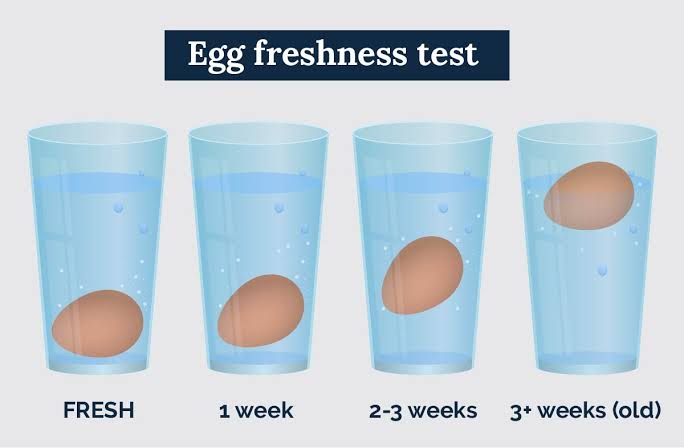
The water float test is the most popular and reliable non-destructive way for checking eggs are fresh and gauging their age.
Fill a bowl or tall glass with enough cold, unsalted water to fully submerge the egg (about 4–6 inches deep). Gently lower the egg in—do not drop it. Observe for about 30 seconds:
- A very fresh egg sinks and lies completely flat on its side. The air cell is tiny, so density remains high.
- An older but still usable egg sinks yet stands upright or tilts at an angle (pointed end down). The air cell has grown enough to create some buoyancy. These eggs are often ideal for hard-boiling because the larger air space makes peeling easier.
- An egg that floats to the surface has a large air cell (typically several weeks old or more) and should be discarded. Floating can also signal gas production from spoilage.
Use cold water only; warm water or added salt can alter density and give misleading results. The float test indicates age more than absolute safety. Always follow up with a smell or visual check if the egg is borderline.
The Smell Test: The Most Reliable Safety Check
Your nose is one of the best tools for detecting true spoilage. Fresh eggs have little to no odor. A rotten egg produces a strong sulfur or hydrogen-sulfide smell caused by bacterial breakdown.
Crack the egg into a clean bowl rather than directly into your mixing bowl or pan. If you detect any off or sulfuric odor—even faintly—discard it immediately. In advanced spoilage the smell may be noticeable through the shell. Never taste an egg you suspect is bad.
Visual Inspection of the Shell and Contents
Before any other test, examine the intact shell. Discard eggs with cracks (even hairline ones), slimy surfaces, or powdery mold, as these allow bacteria to enter. Clean, dry, uncracked shells are a good starting sign.
When you crack the egg onto a flat plate or into a bowl:
- Fresh eggs show a high, rounded yolk that stands up firmly and thick, viscous whites that hug close to the yolk. The white may look slightly cloudy due to natural carbon dioxide, which is normal and clears as the egg ages.
- Older eggs have a flatter yolk and thinner, more watery whites that spread widely.
- Warning signs of spoilage include pink, green, iridescent, or unusual discoloration in the white or yolk, sliminess, or any off appearance. Blood spots are usually harmless (from the hen) and can be removed, but discard if accompanied by odor or other problems.
The Shake Test for a Quick Clue
Hold the egg near your ear and gently shake it. A fresh egg is silent or nearly so because the contents are firm and compact. A noticeable sloshing sound means the white and yolk have thinned and the air cell has enlarged—indicating an older egg. This test is less precise than floating or smelling and works best as a preliminary screen.
Candling for a Closer Look
Candling (shining a bright light through the egg in a dark room) lets you see the air cell size and internal condition without cracking. Hold a strong flashlight or dedicated candler against the large end. A small air cell (roughly 1/8 inch or less) indicates freshness. Larger cells, highly mobile yolks, or dark spots can signal age or defects. This method is useful for backyard flock owners or anyone wanting non-destructive quality checks, though it takes a bit of practice.
Carton Dates and Proper Storage
Store-bought cartons often show a “sell-by,” “best-by,” or pack date (a three-digit Julian code representing the day of the year the eggs were packed). Refrigerated eggs typically remain good for 3–5 weeks after the pack date when kept at a consistent fridge temperature. They can sometimes last longer if continuously refrigerated, but quality declines. Always store eggs in their original carton on a middle or lower shelf rather than the door to minimize temperature swings and odor absorption.
Keep eggs pointed-end down if possible to keep the air cell stable. Do not wash eggs before storage unless necessary, as washing can remove the natural protective bloom.
Putting It All Together for Everyday Use
Start with the float test for a fast batch check. Any egg that floats gets discarded. Eggs that sink flat are ideal for poaching or frying. Those that stand upright are fine for most cooked uses—just use them sooner. Confirm questionable eggs by cracking and smelling. Combining the float test with sensory checks gives high practical reliability when checking eggs are fresh.
These methods empower you to use eggs confidently, reduce food waste, and cook with better results. Fresh eggs make superior meringues, custards, and fried eggs with firm whites, while slightly older ones excel in baking and hard-cooking. When in doubt, throw it out—the cost of one egg is far lower than the risk of illness. With a bowl of water, your senses, and a little knowledge of how eggs change over time, you can reliably check freshness every time.