How to wash a hat sweat, dirt, oils, and environmental grime just like any other piece of clothing. Leaving them unwashed can lead to odors, stains, and even material breakdown over time. Washing a hat correctly depends on its fabric, construction, and any special features such as cardboard brims, leather bands, or decorative elements. The wrong method can shrink, fade, or warp the hat permanently. This guide covers practical, material-specific approaches so you can clean most common styles safely and keep them looking fresh for years.
Identify Your Hat Type Before Cleaning
Not every hat responds well to the same treatment. Baseball caps and trucker hats are often made of cotton, polyester, or blends and usually tolerate gentle washing. Wool fedoras, beanies, and newsboy caps require cooler temperatures and minimal agitation to avoid felting or shrinkage. Straw hats, whether Panama or sun styles, need careful spot cleaning because water can soften or distort the weave. Leather or suede hats should almost never be submerged. Structured hats with plastic or cardboard inserts in the brim demand extra caution to prevent the support from warping.
Check any care tags first. If none exist, test a small hidden area with water and mild detergent to confirm colorfastness. Hats with embroidery, logos, or metal hardware may need extra protection during cleaning. Knowing the material and construction guides every decision that follows and reduces the risk of irreversible damage.
Basic Supplies for How to Wash a Hat
Gather a few simple items before you begin. Mild liquid detergent or a gentle soap designed for delicates works best. Avoid harsh laundry detergents, bleach, or fabric softener, which can strip color or leave residue. A soft-bristled brush or clean toothbrush helps lift surface dirt. Soft cloths or microfiber towels are useful for blotting. For structured caps, a form or clean towel can support the shape during drying. Lukewarm or cool water is safer than hot water for most fabrics. Optional extras include a hat-cleaning spray for quick refreshes and a mild stain remover for targeted spots.
Work in a clean sink or basin. Have a flat surface ready for drying so the how to wash a hat can hold its form while air-drying completely.
How to Wash a Hat Safely
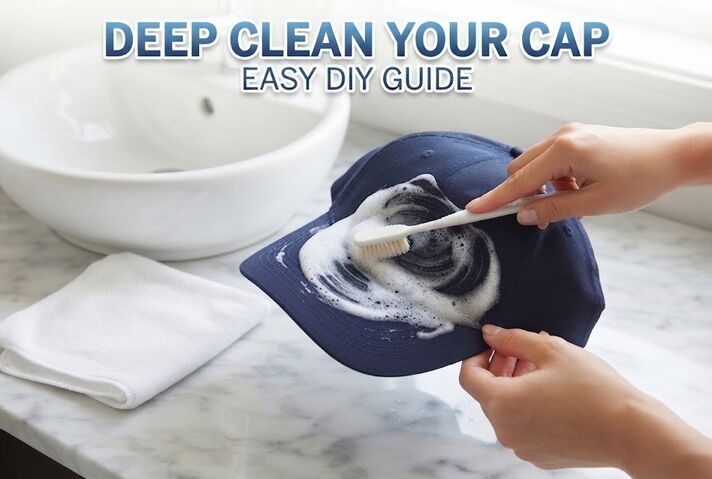
Hand washing remains the safest approach for the majority of hats. Fill a clean basin or sink with cool or lukewarm water and add a small amount of mild detergent. Submerge the hat and gently agitate it with your hands for a few minutes, focusing on the sweatband and areas that contact the forehead and hairline. These zones accumulate the most oil and salt. Use a soft brush to work on stubborn spots without scrubbing aggressively.
Rinse thoroughly under cool running water until no soap remains. Excess detergent can attract more dirt later. Gently press out water without twisting or wringing, which can distort the crown or brim. Reshape the hat by hand, smoothing the crown and evening the brim. Place it on a clean towel or over a form that matches its shape and allow it to air-dry away from direct heat or sunlight. Direct sun can fade colors, and heat sources can shrink or harden certain materials.
This method works well for cotton baseball caps, soft fabric bucket hats, and many casual styles. For very dirty hats, a second gentle wash may be necessary.
Machine-Washing Guidelines and When to Avoid It
Some modern baseball caps labeled as machine-washable can go in the washer on a gentle cycle. Place the hat inside a mesh laundry bag or pillowcase to protect it from abrasion. Use cold water and a mild detergent. Skip the spin cycle if possible, or use the lowest spin setting, because high-speed spinning can crush the structure. Never put a hat in the dryer. Heat will almost always damage the shape and materials.
Structured hats with stiff brims, wool hats, straw hats, and any piece with leather components should stay out of the washing machine. The agitation and water volume are too aggressive for these items. When in doubt, choose hand washing or spot cleaning instead.
Spot Cleaning and Quick Refresh Techniques
For light dirt or localized stains, full washing is unnecessary. Dampen a soft cloth with cool water and a drop of mild soap. Gently blot the stained area rather than rubbing, which can spread the mark or damage fibers. For sweat stains on the band, a mixture of equal parts water and white vinegar applied carefully can help neutralize odor and lift residue. Rinse the area by blotting with a clean damp cloth and allow it to dry fully.
Commercial hat-cleaning sprays or foam cleaners designed for caps offer convenient options between deeper washes. Apply according to the product instructions, usually spraying lightly and brushing or wiping afterward. These products work especially well for quick refreshes after sweaty activities.
Special Care for Wool, Straw, and Leather Hats
how to wash a hat wool hats benefit from minimal water. Spot clean when possible. If a fuller clean is required, use cool water and a wool-safe detergent, then reshape carefully and dry flat or on a proper form. Avoid wringing. Straw hats should be dusted regularly and spot-cleaned with a barely damp cloth. Excess moisture can cause the straw to lose its stiffness or change color. Allow thorough air-drying in a well-ventilated area.
Leather and suede require specialized care. Use products made specifically for those materials. Wipe leather with a slightly damp cloth and condition it afterward to prevent drying and cracking. Suede benefits from a soft brush and suede eraser for surface marks. Never soak these materials.
Drying, Reshaping, and Storage Tips
Proper drying preserves the hat’s intended form. After washing, reshape the crown and brim while the hat is still damp. Stuff the crown lightly with clean tissue or a soft towel if needed to maintain volume. Lay the hat on a flat surface or place it over a form that matches its size. Avoid hanging most hats by the brim, as this can stretch or misshape them. Keep the drying area away from radiators, hair dryers, and direct sunlight.
Once completely dry, store hats in a cool, dry place. Use hat boxes, shelves, or hooks designed to support the shape. Avoid stacking heavy items on top of them. For long-term storage, ensure the hat is fully clean and dry to prevent mold or odors.
Common Mistakes That Damage Hats
how to wash a hat Using hot water is one of the most frequent errors and often leads to shrinkage or color loss. Aggressive scrubbing can fray fabric or loosen stitching. Putting hats in the dryer almost always ruins structure. Ignoring the sweatband allows oils and bacteria to build up, shortening the hat’s usable life. Skipping the reshaping step while damp leaves permanent creases or flattened areas.
Another oversight is washing too infrequently. Regular light cleaning prevents heavy buildup that becomes harder to remove later. Conversely, over-washing can wear materials faster than necessary. Balance is key.
Maintaining Hats Between Washes
how to wash a hat regularly to remove dust. Air them out after heavy use, especially after sports or outdoor activities. Rotate between several hats if you wear them often so each one has time to rest and dry fully. Address small stains promptly before they set. These simple habits reduce the need for deep cleaning and keep hats looking better longer.
Washing a hat successfully combines the right method for its material with careful handling during cleaning and drying. By identifying the type of hat, choosing gentle techniques, and allowing proper air-drying with reshaping, most styles can be refreshed safely. Consistent care preserves both appearance and structure, extending the life of favorite caps, fedoras, and sun hats.