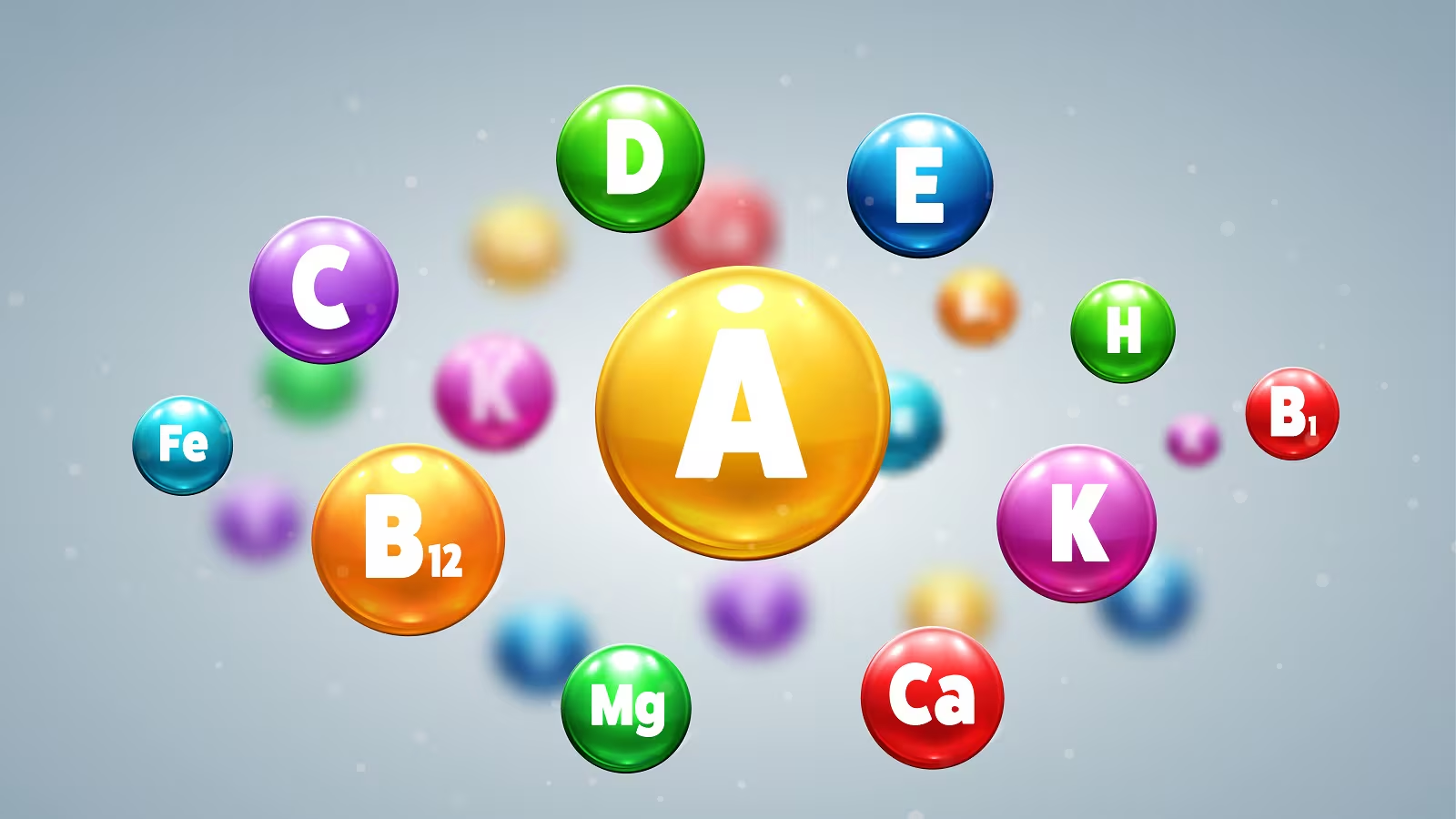
A vitamin a b c d e supplement combines essential nutrients that support vision, energy, immunity, bones, and cell protection. Many people turn to this type of multivitamin when diet alone falls short. This guide explains the roles of each vitamin, real benefits, proper use, and safety points so you can make informed choices.
Most healthy adults meet needs through food. Yet gaps appear with restricted diets, limited sun exposure, aging, or higher requirements. A balanced vitamin a b c d e supplement can help fill those gaps when used wisely.
What Each Vitamin Does in the Body
Vitamins A, B-complex, C, D, and E play distinct roles. Understanding them shows why a combined supplement may help.
Vitamin A for Vision and Immunity
Vitamin A supports night vision and keeps mucous membranes healthy. It also aids immune function and skin integrity. The body stores this fat-soluble nutrient in the liver. Adult men need about 900 mcg RAE daily. Women need 700 mcg RAE. Excess preformed vitamin A can cause problems, so moderation matters.
B Vitamins for Energy and Nerves
The B-complex group turns food into energy. These water-soluble vitamins support red blood cell formation, nerve function, and DNA synthesis. Key ones include B1 (thiamine), B2 (riboflavin), B3 (niacin), B6, folate (B9), and B12. Vegans and older adults often need extra B12. Pregnant women benefit from higher folate intake to support healthy development.
Vitamin C as Antioxidant and Collagen Builder
Vitamin C fights free radicals and helps make collagen for skin, joints, and blood vessels. It also improves iron absorption from plant foods and supports immune response. Adults need 75–90 mg daily. Smokers require more. High doses above 1,000–2,000 mg may cause digestive upset.
Vitamin D for Bones and Beyond
Vitamin D helps the body absorb calcium and phosphorus for strong bones. It also plays roles in immune regulation and muscle function. Many people get too little from sun or food, especially in winter or with darker skin. Adults typically need 15–20 mcg (600–800 IU). Higher amounts may be used under medical guidance to correct deficiency.
Vitamin E for Cell Protection
Vitamin E acts as an antioxidant that protects cell membranes from damage. It works with vitamin C to recycle its activity. Adults need about 15 mg daily. High-dose supplements have shown mixed results in large studies and may increase bleeding risk in some people.
Key Benefits of a Vitamin A B C D E Supplement.
A well-formulated vitamin a b c d e supplement offers practical advantages when diet lacks variety.
- It supports overall micronutrient status in one convenient dose.
- Vitamin C and E together enhance antioxidant defense.
- B vitamins help maintain steady energy metabolism.
- Vitamin D and A contribute to immune and bone health.
- People with limited diets, such as vegans or those with food access issues, often see the clearest gains.
Research on multivitamins shows modest benefits for certain groups. These include older adults, pregnant women (with careful formulation), and those with documented deficiencies. Large trials rarely show strong disease prevention in well-nourished people. Food remains the best foundation. Supplements work best as a backup.
Who May Benefit Most
Not everyone needs a daily vitamin a b c d e supplement. Consider these situations:
- Restricted eating patterns or low fruit and vegetable intake
- Limited sun exposure or darker skin (vitamin D)
- Age over 50 (B12 absorption often declines)
- Pregnancy planning or pregnancy (folate focus; avoid excess preformed vitamin A)
- Recovery from illness or higher physical demands
Blood tests provide the clearest picture of actual needs. Talk with a healthcare provider before starting any regimen, especially if you take medications or have health conditions.
Recommended Dosage and How to Take It
Follow the label and stay near Recommended Dietary Allowances unless a doctor advises otherwise. Typical daily amounts for adults look like this:
- Vitamin A: 700–900 mcg RAE
- B vitamins: amounts matching RDAs (B12 often 2.4 mcg; folate 400 mcg)
- Vitamin C: 75–90 mg (or higher if needed)
- Vitamin D: 15–20 mcg (600–800 IU)
- Vitamin E: 15 mg
Fat-soluble vitamins A, D, and E absorb better with meals that contain some fat. Water-soluble B vitamins and C can be taken with or without food. Split higher vitamin C doses if they upset your stomach. Choose products that stay at or below 100% of Daily Value for most nutrients to reduce excess risk.
Potential Side Effects and Safety Tips
Most people tolerate standard doses well. Risks rise with megadoses or long-term excess of fat-soluble vitamins.
- Too much vitamin A may cause liver stress, bone issues, or birth defects in pregnancy.
- Excess vitamin D can raise blood calcium levels.
- High vitamin E may increase bleeding tendency.
- Large vitamin C amounts often lead to diarrhea or stomach discomfort.
- Some B vitamins in very high doses (especially B6) can affect nerves over time.
Avoid combining multiple supplements that overlap on the same vitamins. Check total intake from fortified foods too. People with kidney or liver disease need extra caution. Store supplements safely away from children.
Choosing a Quality Product
Look for third-party testing seals when possible. Check the form of each vitamin—vitamin D3 is generally preferred over D2. Avoid unnecessary megadoses. Read the full label for added ingredients. A simple formula that covers A, B-complex, C, D, and E without extreme levels works for most users.
Food Sources Still Matter Most
Supplements complement but do not replace a varied diet. Good food sources include:
- Vitamin A: carrots, sweet potatoes, spinach, liver, eggs
- B vitamins: whole grains, meat, dairy, legumes, leafy greens
- Vitamin C: citrus, berries, peppers, broccoli
- Vitamin D: fatty fish, fortified milk, egg yolks, sensible sun exposure
- Vitamin E: nuts, seeds, vegetable oils, avocado
Eating these regularly reduces reliance on pills.
Frequently Asked Questions
Can I take a vitamin a b c d e supplement every day? Yes, if doses stay within recommended ranges and you have no medical reasons to avoid them. Daily use is common for those with consistent dietary gaps.
Is it better to take individual vitamins or a combined supplement? A combined product offers convenience. Individual vitamins allow precise dosing when blood tests show specific deficiencies.
Will this supplement boost my energy or prevent colds? B vitamins support energy metabolism. Vitamin C may slightly shorten cold duration in some people. Neither acts as a guaranteed energy booster or cold preventer for everyone.
Are there interactions with medications? Yes. High vitamin A or E can interact with blood thinners or other drugs. Always check with a pharmacist or doctor.
How long until I notice benefits? If you had a deficiency, improvements in energy, skin, or immunity may appear in weeks to months. Routine use mainly maintains status rather than producing dramatic changes.
Conclusion
A vitamin a b c d e supplement can support daily health when diet falls short. It delivers key nutrients for vision, energy, immunity, bones, and cell protection in one convenient form. Choose moderate doses, pair it with whole foods, and consult a healthcare provider for personal advice. Smart use of a vitamin a b c d e supplement helps maintain balance without excess risk. Focus on quality products and consistent habits for the best long-term results.