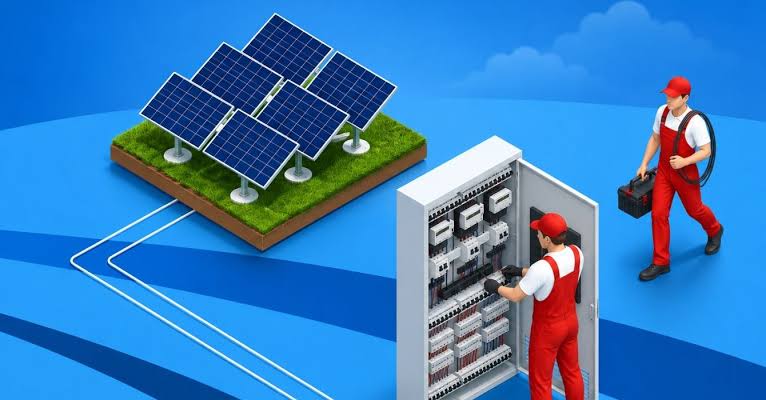
A Solar System Without Battery lets homeowners generate clean electricity from sunlight and use it right away. This setup connects to the utility grid. Panels power your home during the day. Extra energy goes back to the grid. You draw power from the grid at night or on cloudy days. Many people choose this option because it costs less and needs less upkeep than systems with storage.This guide explains how a Solar System Without Battery operates. You will learn the main parts, key benefits, possible drawbacks, and who should install one. We also cover real costs, net metering, and answers to common questions.
What Is a Solar System Without Battery?
A Solar System Without Battery is a grid-tied photovoltaic setup. Solar panels convert sunlight into direct current electricity. An inverter changes that power into alternating current for home use. The system has no battery bank. The grid acts as a virtual storage solution.
When panels produce more electricity than your home needs, the excess flows to the utility company. In many areas, you earn credits through net metering. These credits lower future bills. When panels produce less power, the grid supplies the difference automatically.
This design is the most common residential solar choice in places with reliable electricity service. It skips the high cost and limited lifespan of batteries.
Main Components of the System
- Solar panels on the roof or ground
- Grid-tied inverter (string or microinverters)
- Mounting hardware and wiring
- Utility meter that tracks imports and exports
- Optional monitoring app or display
No charge controller or battery bank is required. This keeps the design simple.
How Does a Solar System Without Battery Work?
Sunlight hits the panels. Photovoltaic cells create DC electricity. The inverter converts DC to AC power that matches grid voltage and frequency. Your home uses this power first. Any surplus exports to the grid through the meter.
At night or during low production, the inverter detects the shortfall. Power flows from the grid to your appliances without interruption. Safety rules force the inverter to shut down during a grid outage. This anti-islanding feature protects utility workers.
The process happens in real time. No energy is stored on site. Efficiency stays high because power skips battery charge and discharge losses.
Key Benefits of Choosing a Solar System Without Battery
Homeowners pick this option for clear financial and practical reasons.
Lower Upfront Cost
Batteries often make up 30 to 50 percent of a full solar installation price. Removing them cuts total cost sharply. A typical 6 kW grid-tied system can cost thousands less than a hybrid system with storage. Federal tax credits and local incentives apply to the remaining equipment. Payback periods shorten as a result.
Simple Installation and Low Maintenance
Fewer parts mean faster installation. Electricians avoid complex battery wiring and ventilation needs. After setup, you mainly clean panels and check the inverter. No battery replacement is needed every 10 to 15 years. Long-term ownership costs stay lower.
Higher System Efficiency
Direct use of solar power avoids the 10 to 20 percent energy loss common in battery cycles. More of the electricity your panels generate reaches your appliances or earns grid credits.
Access to Net Metering Credits
Most utilities credit you for exported power. Credits reduce or eliminate electricity bills over the year. Rules vary by location, but the financial benefit remains strong in many regions.
Easy Future Expansion
You can add batteries later if needs change. The existing panels and inverter often support a hybrid upgrade without full replacement.
Potential Drawbacks to Consider
A Solar System Without Battery has limits. Understanding them helps set realistic expectations.
No Power During Grid Outages
The system shuts off when the utility grid fails. This safety rule prevents power from flowing back onto lines. If blackouts happen often in your area, a battery or generator becomes important.
Daytime Production Only
Power generation depends on sunlight. Nighttime and heavy cloud cover force full reliance on the grid. Homes with high evening electricity use see smaller savings.
Dependence on Utility Policies
Net metering rates and connection rules can change. Some areas shift to lower export payments or add fees. Research local utility terms before you install.
Limited Off-Grid Capability
True energy independence requires batteries or another backup. This system works best where the grid is stable and affordable.
Who Should Install a Solar System Without Battery?
This option suits homeowners who:
- Live in areas with reliable grid service
- Want the lowest possible entry cost into solar
- Use most electricity during daylight hours
- Plan to stay in the home long enough to recover costs
- Prefer simple maintenance
It works less well for remote properties without grid access or for people who need backup power during storms.
Commercial buildings with daytime operations also benefit. Offices, warehouses, and retail spaces match solar production peaks with energy demand.
Cost Comparison and Return on Investment
A basic grid-tied system without storage typically costs less than hybrid or off-grid setups. After incentives, many 5 to 8 kW residential systems fall in a range that pays back in 6 to 12 years, depending on local electricity rates and sunlight hours.
Savings come from two sources. First, you use free solar power instead of buying from the utility. Second, export credits offset remaining bills. Over 25 years of panel life, total savings often exceed the original investment several times.
Financing options, leases, and power purchase agreements can reduce or eliminate upfront cash. Always compare quotes from certified installers and check local permits and interconnection rules.
Tips for Maximizing Performance
Place panels on a south-facing roof (in the Northern Hemisphere) with minimal shade. Keep panels clean. Monitor production through the inverter app. Shift high-energy tasks like laundry or charging electric vehicles to sunny hours when possible. This increases self-consumption and reduces grid imports.
Frequently Asked Questions
Can a Solar System Without Battery power my home at night?
No. Without storage, the system produces power only when the sun shines. At night the grid supplies electricity. Net metering credits from daytime export help offset those nighttime costs.
Does a Solar System Without Battery work during a power outage?
No. Safety standards require the inverter to disconnect when the grid goes down. You lose solar power until utility service returns. Adding a battery later solves this issue.
Is a Solar System Without Battery worth the investment?
Yes for most grid-connected homes. Lower cost, solid savings, and simple operation deliver strong returns where electricity prices are moderate to high and sunlight is adequate.
Can I add batteries later to my Solar System Without Battery?
Yes. Many modern inverters support hybrid upgrades. Installers can add a compatible battery and controller without replacing the entire system.
How long do the panels last in a Solar System Without Battery?
Most solar panels carry 25-year performance warranties. They often produce useful power beyond that period. Inverters may need replacement after 10 to 15 years.
What size Solar System Without Battery do I need?
Size depends on your electricity use, roof space, and budget. An energy audit and professional assessment give the most accurate recommendation. Typical homes start with 4 to 8 kW systems.
conclusion
A Solar System Without Battery offers an affordable, low-maintenance path to clean energy. It cuts electricity bills, reduces carbon emissions, and avoids the complexity of storage. The trade-off is reliance on the grid and no backup during outages.If your location has stable power and good sunlight, this design often delivers the best balance of cost and benefit. Speak with a local certified installer. Request a site assessment and multiple quotes. Review utility interconnection rules and available incentives. With the right setup, you can start generating solar power quickly and enjoy lower energy costs for decades.


One thought on “Solar System Without Battery: Benefits, Costs & Setup Guide”