Filing a Soft tissue injury claim becomes essential when muscles, ligaments, tendons, or other connective tissues suffer damage from someone else’s negligence. These injuries often result from car accidents, workplace incidents, slips and falls, or sports-related events. Although they may not appear on standard X-rays, soft tissue damage causes real pain, limited mobility, and financial strain through medical bills and lost wages.
This guide explains what qualifies as a soft tissue injury, how to build a strong claim, typical compensation ranges, common obstacles, and practical steps that improve your chances of a fair outcome.
What Is a Soft Tissue Injury?
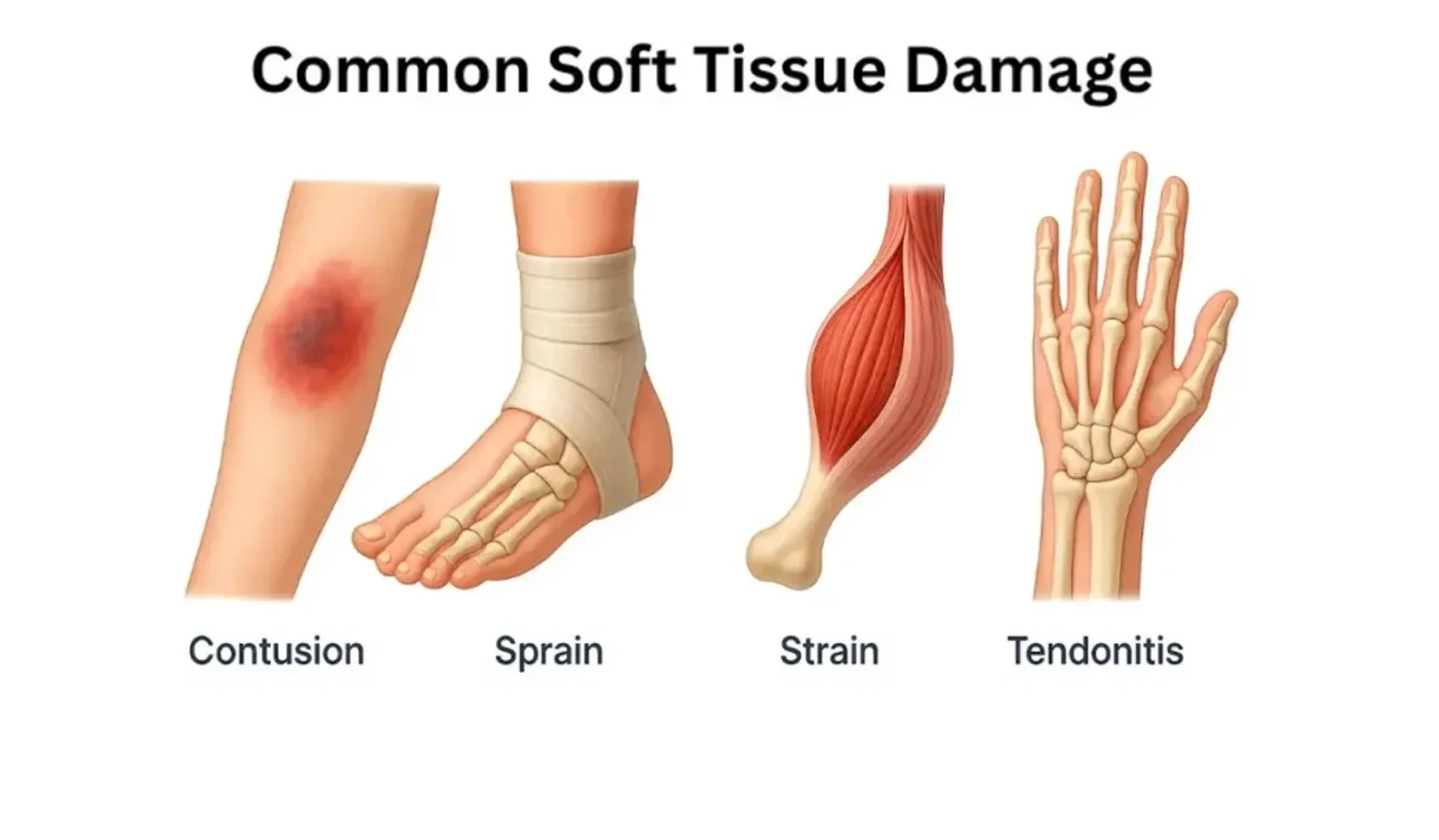
Soft tissue injuries affect the structures that support and move the body. Common types include:
- Sprains (stretched or torn ligaments)
- Strains (damaged muscles or tendons)
- Contusions (deep bruising)
- Whiplash (neck soft tissue trauma from sudden force)
- Tendonitis or partial tears
Unlike broken bones, these injuries frequently lack clear visual evidence on basic imaging. Doctors diagnose them through physical exams, patient-reported symptoms, range-of-motion tests, and sometimes MRI or ultrasound scans. Recovery can take weeks to months, and some cases lead to chronic pain or reduced function.
Common Causes Leading to a Soft Tissue Injury Claim
Negligence often triggers these injuries. Typical scenarios include:
- Rear-end or side-impact vehicle collisions that force the body to jerk suddenly
- Unsafe workplace conditions such as heavy lifting without proper training or equipment
- Slippery floors, uneven sidewalks, or poorly maintained public spaces
- Defective products or inadequate safety measures during recreational activities
In each case, the responsible party (driver, employer, property owner, or manufacturer) may owe compensation if their actions or inaction caused the harm.
Essential Steps to Strengthen Your Soft Tissue Injury Claim
Success depends on early action and thorough records. Follow these steps carefully.
Seek Medical Attention Right Away
Visit a doctor within 24 to 72 hours, even if symptoms feel mild. Soft tissue injuries often worsen as swelling and inflammation build. Early records create a clear timeline linking the accident to your condition. Request detailed notes that describe pain levels, limited movement, and the accident as the cause. Follow every treatment recommendation, including physical therapy or specialist referrals. Gaps in care give insurers room to question severity.
Document Symptoms and Daily Impact
Start a personal journal the day of the injury. Record pain scores (1–10), sleep disruption, difficulty with work tasks, household chores, or hobbies. Take dated photos of visible swelling or bruising and note how the injury affects your routine. Collect all medical bills, prescription receipts, and employer statements about missed work. These details support both economic losses and non-economic damages such as pain and suffering.
Gather Supporting Evidence
Preserve accident-scene photos, witness contact information, police or incident reports, and any available video footage. Consistent medical documentation remains the strongest evidence because soft tissue injuries rely heavily on clinical findings rather than dramatic imaging.
Consult an Experienced Personal Injury Attorney
Insurance companies frequently undervalue these claims. An attorney evaluates liability, organizes evidence, calculates full damages, and negotiates on your behalf. Many work on a contingency basis, so you pay fees only if you recover compensation. Legal representation often increases settlement amounts significantly compared with handling the claim alone.
How Compensation Works in a Soft Tissue Injury Claim
Settlement value depends on several factors: injury severity, treatment length, medical costs, lost income, and lasting effects on quality of life.
Typical ranges observed across recent cases include:
- Minor sprains or strains resolving in 4–8 weeks: often $2,500–$15,000
- Moderate injuries requiring several months of therapy: commonly $15,000–$50,000
- Severe tears, chronic pain, or cases needing surgery: $50,000 and higher
Courts and insurers consider two main categories. Economic damages cover medical bills, therapy, medications, and lost wages. Non-economic damages address pain, emotional distress, and reduced enjoyment of life. Some calculate non-economic amounts using a multiplier of economic losses (usually 1.5 to 5 times) based on severity.
Jurisdiction rules also matter. Statutes of limitations typically run two or three years from the injury date, but shorter notice periods may apply for government entities or certain workplace claims. Act promptly to protect your rights.
Challenges Unique to Soft Tissue Injury Claims
Insurers often challenge these cases because objective proof can be limited. Common tactics include arguing that symptoms stem from pre-existing conditions, claiming the impact was too minor to cause injury (sometimes called MIST defenses), or highlighting any treatment delays.
Overcome these hurdles by maintaining consistent medical care until you reach maximum medical improvement, obtaining advanced imaging when appropriate, and keeping a detailed symptom journal. Expert medical opinions and testimony about functional limitations further strengthen the claim. Never accept the first settlement offer without review; initial proposals frequently fall well below fair value.
Frequently Asked Questions
How long do I have to file a Soft tissue injury claim?
Most personal injury statutes of limitations allow two or three years from the date of injury. Some situations require earlier notice. Confirm the exact deadline for your location quickly.
Do soft tissue injuries always show on X-rays or MRIs?
No. Many sprains and strains appear normal on X-rays. MRI or ultrasound may reveal damage, but diagnosis often rests on clinical examination and reported symptoms.
Can I still claim if I returned to work quickly?
Yes. Returning to work does not erase the injury or related losses. Document any ongoing pain, reduced productivity, or future limitations.
Should I speak with the insurance adjuster alone?
Avoid detailed statements without legal advice. Adjusters record conversations and may use them later. Refer them to your attorney.
What if the other party claims I share fault?
Comparative negligence rules in many places reduce compensation by your percentage of fault. Strong evidence of the other party’s primary responsibility helps protect your recovery.
A well-documented Soft tissue injury claim recovers medical costs, replaces lost income, and compensates for real suffering. Act early, prioritize medical care, preserve evidence, and seek professional guidance. These steps give you the best opportunity for a fair and complete resolution.
Conclusion
A Soft tissue injury claim succeeds when you act quickly, document thoroughly, and refuse to accept inadequate offers. Early medical care creates the timeline insurers cannot easily dispute. Consistent treatment records, a detailed symptom journal, and clear proof of how the injury affects daily life turn subjective pain into credible evidence.Economic losses such as medical bills and missed wages combine with non-economic damages for pain and reduced quality of life to determine fair compensation. Ranges vary widely based on severity, yet proper preparation consistently improves outcomes.Never handle the process alone if the insurer questions your injury or delays payment. An experienced personal injury attorney levels the field, calculates full damages, and negotiates from a position of strength.Protect your rights by seeking care immediately, preserving every piece of evidence, and consulting a qualified lawyer before speaking in depth with any adjuster. Taking these steps gives you the strongest chance of recovering the medical costs, lost income, and compensation for suffering you deserve.