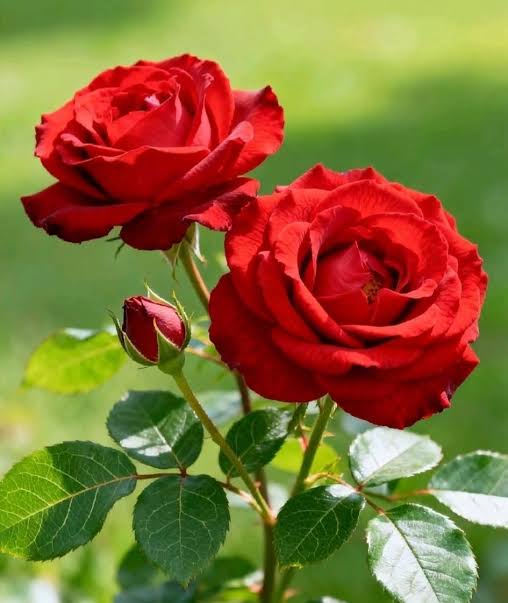
The red rose flower stands as one of nature’s most enduring emblems of beauty, emotion, and cultural significance. Belonging to the genus Rosa in the Rosaceae family, this iconic bloom has captivated humanity for millennia. With roughly 150 species and thousands of cultivated varieties, the red rose transcends mere ornamentation. It carries layers of history, symbolism, and practical horticultural value that continue to influence gardens, celebrations, and personal expressions worldwide. Understanding the red rose requires exploring its botanical roots, rich heritage, diverse forms, and the care that allows it to thrive.
Botanical Characteristics and Origins
Red roses are perennial shrubs that can grow as upright bushes, climbers, or groundcovers depending on the variety. Their flowers typically feature multiple layers of velvety petals in shades ranging from bright scarlet to deep crimson and nearly black-red. Most modern red roses produce blooms on long stems ideal for cutting, while wild species often display simpler five-petaled forms. The plants bear characteristic serrated leaves and, in many cases, develop decorative hips after flowering.
Evidence suggests roses evolved in the northern hemisphere tens of millions of years ago. Cultivation began at least 5,000 years ago in Asia, particularly China, where early growers valued them for fragrance, medicine, and decoration. From there, roses spread through ancient trade and conquest into the Middle East, the Mediterranean, and Europe. Pure red coloration in wild species is relatively rare, appearing notably in forms such as Rosa chinensis and Rosa moyesii. Intensive hybridization over centuries produced the vivid reds familiar today. Interestingly, genetic studies indicate the common ancestor of the genus was most likely a yellow-flowered plant with single petals; red and pink tones emerged later through natural variation and selective breeding.
Historical and Cultural Significance
Few flowers rival the red rose in historical resonance. In Greek mythology, the flower became linked to Aphrodite, goddess of love. One enduring tale recounts how her tears and the blood of her mortal lover Adonis stained white roses red, forever associating the color with passionate, sometimes tragic love. Roman culture transferred this symbolism to Venus. The rose also represented secrecy; the phrase “sub rosa” derives from the practice of hanging a rose above meeting places to signal confidentiality, rooted in a myth involving Eros and the god of silence.
In medieval Europe, red roses gained political weight. During the Wars of the Roses in 15th-century England, the House of Lancaster adopted the red Rosa gallica as its badge, while the House of York used the white rose. The eventual union under the Tudor dynasty produced the iconic Tudor rose, combining both colors and symbolizing national reconciliation. Christian tradition further layered meaning onto the red rose, interpreting it as a representation of Christ’s blood and martyrdom, or as an attribute of the Virgin Mary and various saints.
Across cultures, the red rose consistently signals deep emotion. In the Victorian language of flowers, a red rose declared romantic love with clarity few other blooms could match. Today it remains the dominant choice for Valentine’s Day, anniversaries, and declarations of affection. Even the number of stems carries coded messages: a single red rose often means love at first sight, while a dozen expresses enduring devotion.
Popular Varieties of Red Roses
Modern red roses fall into several classes. Hybrid teas deliver classic long-stemmed, high-centered blooms prized by florists. Notable examples include ‘Baccara,’ with its deep velvet red and excellent vase life; ‘Red Naomi,’ known for large flowers and strong stems; and the historic ‘American Beauty,’ a deep crimson hybrid perpetual that once dominated the American cut-flower market. Floribundas such as ‘Europeana’ produce clusters of blooms for continuous garden color. Climbing reds like certain ‘Meidiland’ selections cover walls and arches with cascading color. Darker cultivars, including ‘Black Baccara,’ offer nearly black-red petals that appear almost black in certain light, adding dramatic contrast in arrangements.
These varieties result from dedicated breeding programs by houses such as Meilland in France and Kordes in Germany. Breeders select for color intensity, fragrance, disease resistance, and stem length. While many modern reds prioritize visual impact, some retain the rich scent associated with older garden roses descended from Rosa gallica and Damask types.
Cultivation and Care Essentials
Successfully growing red roses demands attention to several key factors. Most varieties require at least six to eight hours of direct sunlight daily. They prefer fertile, well-drained soil with a slightly acidic to neutral pH between 6.0 and 7.0. Incorporating organic matter improves structure and nutrient availability. Consistent moisture is important, especially during establishment and flowering, but waterlogged roots invite disease. Deep watering at the base is preferable to overhead sprinkling.
Pruning encourages healthy growth and abundant blooms. In most climates, major pruning occurs in late winter or early spring before new growth begins. Remove dead or crossing canes and shape the plant to promote air circulation, which helps prevent fungal issues such as black spot and powdery mildew. Regular feeding with a balanced rose fertilizer supports repeated flowering in modern reblooming types.
Pests such as aphids and thrips can appear; monitoring and prompt intervention with horticultural oils or beneficial insects keep populations in check. Many contemporary red roses offer improved hardiness across USDA zones 5 to 9, though protection may still be needed in colder regions. Propagation through cuttings or grafting remains common for home gardeners and commercial growers alike.
Beyond the Garden
The commercial importance of the red rose flower cannot be overstated. It dominates the global cut-flower trade, especially around romantic holidays. Beyond fresh blooms, rose petals yield essential oils used in fine perfumery, and rose water appears in culinary and cosmetic applications. In gardens, red roses serve as focal points, hedges, or climbers that add vertical interest and seasonal drama.
Their appeal also extends to literature and art. From Robert Burns’s “A Red, Red Rose” to countless paintings and films, the flower continues to inspire creative expression. This lasting presence underscores its dual nature: a living plant requiring practical care and a powerful cultural symbol that needs no translation.
In an age of fleeting trends, the red rose flower endures because it satisfies both aesthetic and emotional needs. Whether admired in a formal garden, presented as a heartfelt gift, or simply observed in full bloom, it offers a direct connection to centuries of human experience. Its combination of botanical complexity, historical depth, and universal meaning ensures that the red rose will remain a cherished presence for generations to come.