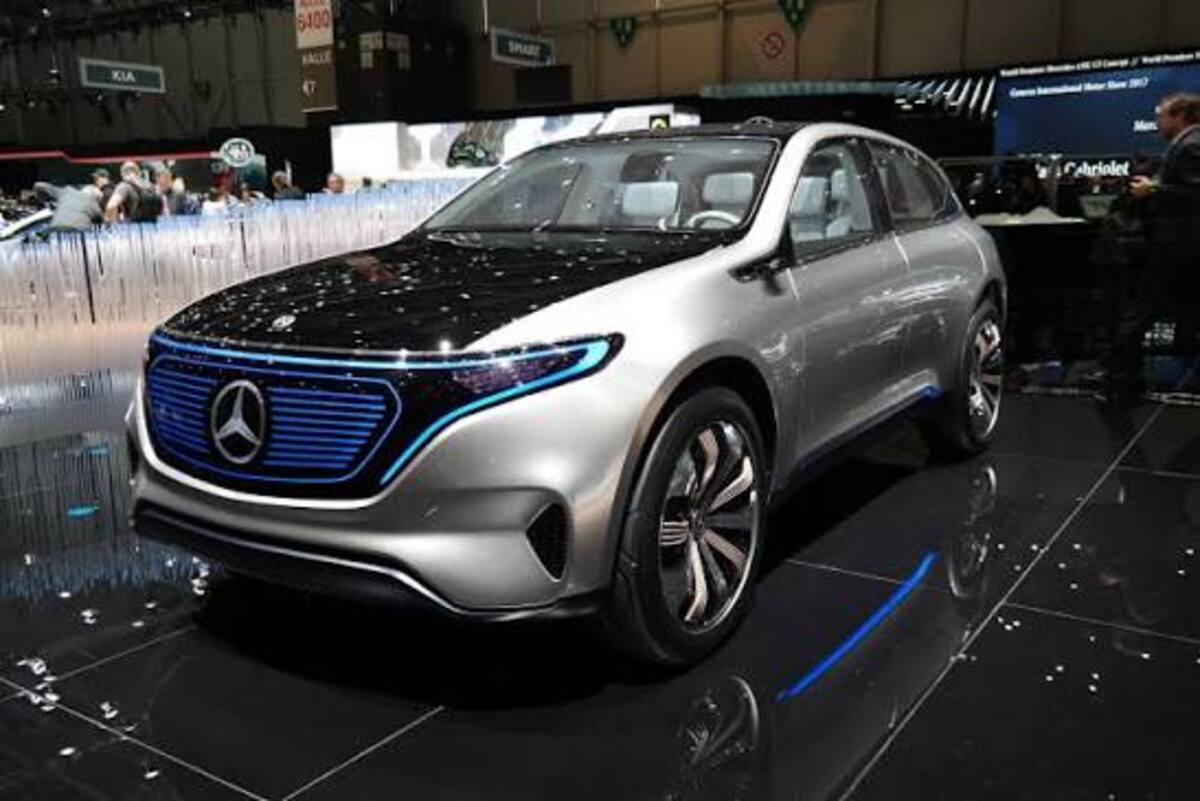
Mercedes-Benz has transformed its electric vehicle strategy. Instead of a separate “EQ” lineup with distinctive (and sometimes polarizing) designs. The brand now integrates mercedes electric car electric powertrains into familiar model names while introducing advanced 800-volt architecture. This shift delivers better range, faster charging, and classic Mercedes styling. Here’s a clear, up-to-date overview of current Mercedes electric cars, accurate starting prices, and what buyers can expect in the coming years.
Current Mercedes and Electric Car Lineup and Prices
Prices vary significantly by market, options, destination charges, taxes, and incentives. Figures below primarily reflect U.S. MSRP (excluding destination in some cases) and European starting prices as of 2026. Always check local dealers for exact on-road costs.
Entry-level and compact models
The all-new CLA with EQ Technology is the most accessible Mercedes electric car. Therefore in the U.S., the rear-wheel-drive CLA 250+ starts at approximately $47,250–$48,600, while the all-wheel-drive CLA 350 4MATIC begins around $49,800–$50,500. It offers an EPA-estimated range of up to 374 miles on the longer-range version, an 85 kWh battery, and DC fast charging up to 320 kW (adding over 200 miles in about 10 minutes under ideal conditions). In Europe, prices start from roughly €46,900–€48,250.
The EQB (and its successor GLB Electric in some markets) sits in the compact SUV segment with prices starting near $53,000 in the U.S. and around €50,800 in Europe. It prioritizes practicality, with optional seven-seat configurations in certain versions.
Midsize luxury models
The EQE Sedan and EQE SUV both start at about $64,950 in the U.S. for base rear- or all-wheel-drive versions. Higher trims and AMG variants climb toward $97,000+. Range typically falls in the 250–310 mile EPA range depending on configuration. European pricing for comparable models begins higher, often in the mid-€60,000s.
The new C-Class Electric (C 400 4MATIC and variants) has opened orders in Europe with starting prices from approximately €64,300–€67,700 (roughly $75,000–$80,000). It delivers strong performance (around 480+ hp dual-motor setups) and WLTP range claims exceeding 750 km (about 460+ miles). U.S. pricing is expected later (likely 2027) and could start closer to the current EQE level or slightly lower.
Flagship models
The EQS Sedan begins near $99,900, with the EQS SUV from about $89,950. These offer the longest ranges in the lineup (up to ~390 miles EPA on some EQS variants) and maximum luxury. The hardcore G 580 with EQ Technology (electric G-Class) starts well above $160,000–$180,000, prioritizing off-road capability over pure efficiency.
Prices have adjusted downward on some older EQ models in certain markets to clear inventory as Mercedes transitions to the new architecture. Options, air suspension, larger wheels, and premium packages can easily add $10,000–$30,000 or more.
Key Technology and Ownership Advantages
Mercedes electric cars emphasize 800-volt systems on newer platforms (CLA, C-Class Electric, upcoming GLC/GLA Electric). This enables significantly faster charging than the previous 400-volt EQ models. Battery warranties typically cover 8 years/100,000 miles. Real-world efficiency, premium interiors with large screens, advanced driver assistance, and quiet ride quality remain strong Mercedes hallmarks. Charging networks and home wallbox compatibility continue to improve, though public infrastructure still varies by region.
Future Mercedes Electric Cars and Expected Prices
Mercedes plans one of the largest product launches in its history, targeting around 15 new electric models by 2027. Specifically, the strategy focuses on integrating electrics into core nameplates (CLA, C-Class, E-Class, GLC, GLA, etc.) rather than standalone EQ designs.
Key upcoming models include:
- Full electric GLA and expanded GLB/GLC variants rolling out through late 2026 and 2027.
- An electric E-Class expected around 2027 as a more traditional-looking successor to the EQE.
- Performance AMG versions and potential smaller “Baby G” concepts.
- Continued updates to the EQS family with even longer ranges and faster charging (claims approaching or exceeding 500+ miles in some projections).
Pricing trends point toward greater accessibility at the entry and mid levels. Future volume models on the MMA and MB.EA platforms should keep starting prices competitive in the $45,000–$70,000 range for mainstream luxury segments (adjusted for inflation and market), while flagships remain premium. Exact future MSRPs are not yet finalized and will depend on battery costs, competition, and regional incentives. Analysts expect Mercedes to protect brand positioning while improving value through higher efficiency and shared platforms.
Should You Buy a Mercedes Electric Car Now?
For buyers prioritizing brand prestige, build quality, advanced safety tech, and refined driving dynamics, current models—especially the new CLA and C-Class Electric—represent a strong step forward. Range anxiety is reduced on the latest 800-volt cars, and residual values for Mercedes remain relatively solid in the luxury segment. However, total cost of ownership still depends heavily on local electricity rates, available incentives, and charging access.
Prospective buyers should compare real-world range tests, test-drive multiple trims, and factor in insurance and maintenance (generally lower for EVs). Prices can fluctuate with promotions, so negotiating and checking current inventory is advisable.
Mercedes has clearly course-corrected its electric strategy toward more desirable designs and better technology. Whether you choose a current CLA, EQE, or wait for the next wave of C-Class and E-Class electrics, the brand now offers a more complete and competitive range of electric cars across price points. Always verify the latest local pricing and specifications with an authorized dealer, as figures change with model years, options, and market conditions.



One thought on “Mercedes Electric Car: Complete Guide to Models, Prices (2026)”