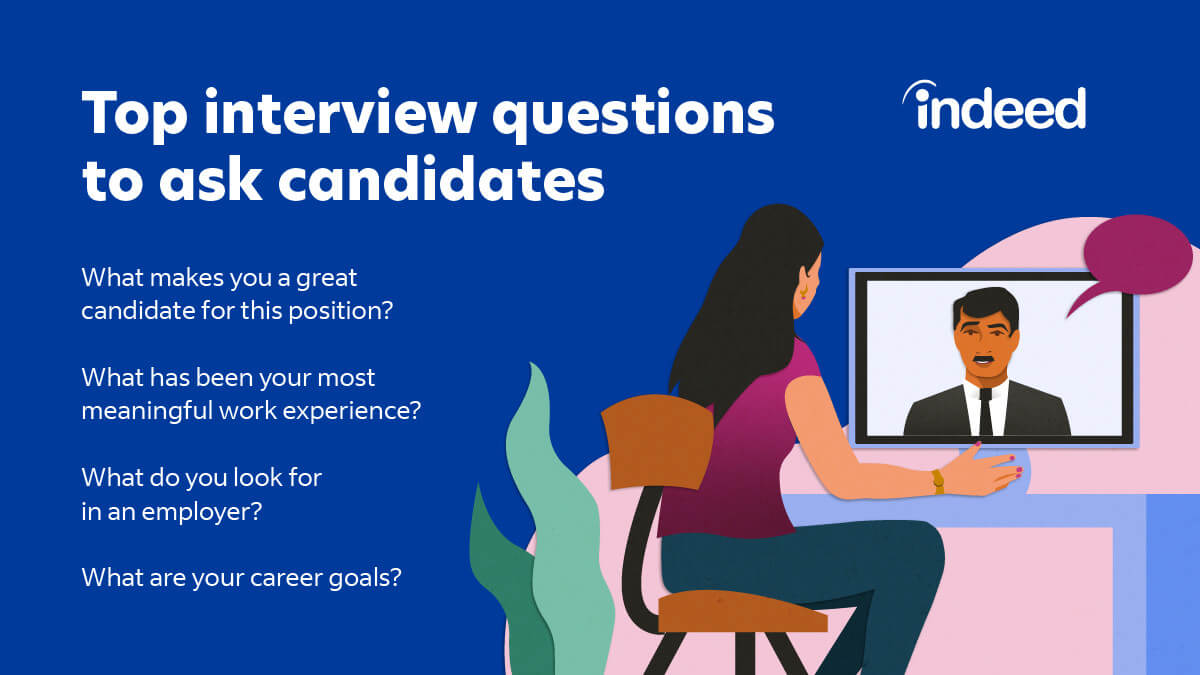
Preparing for a job interview can feel overwhelming, especially when you know the conversation will hinge on how well you handle interview questions. Recruiters and hiring managers use carefully chosen questions to evaluate not only your skills and experience but also your problem-solving ability, cultural fit, and long-term potential. Understanding the most common interview questions—and practicing thoughtful, structured responses—gives you a clear edge. This guide walks you through the types of questions you are most likely to face, practical frameworks for answering them, and preparation techniques that demonstrate real expertise and reliability.
Why Interview Questions Matter More Than You Think
Interview questions serve as a structured way for employers to predict future performance. Research from organizations such as the Society for Human Resource Management consistently shows that structured interviews with behavioral and situational questions are among the strongest predictors of job success. When candidates prepare thoroughly, they reduce anxiety, communicate more clearly, and present consistent evidence of their capabilities. Strong preparation also signals professionalism and genuine interest in the role—qualities that hiring teams value highly.
The Main Categories of Interview Questions
Most interviews blend several question types. Recognizing each category helps you prepare targeted answers.
Behavioral questions; ask you to describe past actions. They typically begin with phrases such as “Tell me about a time when…” or “Give me an example of…” These questions assess how you have handled real situations and are best answered with the STAR method (Situation, Task, Action, Result).
Situational questions present hypothetical scenarios. Interviewers want to see your reasoning process and decision-making under pressure. Clear, logical answers that reference company values or industry best practices work well here.
Technical or role-specific questions test hard skills. Software engineers may face coding challenges, marketers may discuss campaign metrics, and accountants may explain financial statement analysis. Accuracy and clarity matter most.
Cultural-fit and motivational questions explore your values, work style, and reasons for applying. Examples include “Why do you want to work here?” and “What motivates you?” Authentic answers that connect your goals to the organization’s mission create stronger impressions.
High-Impact Behavioral Interview Questions and Strong Answer Frameworks
One of the most frequently asked behavioral questions is “Tell me about a time you faced a significant challenge at work.” A strong response follows the STAR structure. First, briefly set the scene (Situation). Next, clarify your responsibility (Task). Then describe the specific steps you took (Action), focusing on your individual contribution. Finally, quantify the outcome whenever possible (Result). For instance, explaining how you reduced project delays by 20 percent after implementing a new communication process gives concrete evidence of impact.
Another common question is “Describe a situation where you had to work with a difficult colleague.” Effective answers emphasize empathy, active listening, and collaborative problem-solving rather than blame. Hiring managers look for emotional intelligence and the ability to maintain professional relationships under stress.
Questions about leadership or initiative—such as “Tell me about a time you took the lead on a project without being asked”—allow you to showcase proactive behavior. Highlight how you identified an opportunity, gathered input from stakeholders, and delivered measurable results.
Situational and Hypothetical Questions That Reveal Decision-Making
Situational questions often begin with “What would you do if…” A frequent example is “What would you do if you discovered a major error in a report just before a client meeting?” Strong responses demonstrate prioritization, transparency, and solution orientation. Explain that you would immediately assess the severity of the error, notify the relevant parties, correct the data if possible, and propose a clear communication plan to the client. This approach shows accountability and client focus.
Another common scenario involves competing deadlines: “How would you handle two high-priority projects with the same deadline?” Effective answers reference prioritization frameworks such as urgency versus importance, stakeholder communication, and resource allocation. Mentioning tools like project management software or regular status updates adds practical credibility.
Technical and Role-Specific Interview Questions
Preparation for technical questions requires both knowledge review and clear explanation. For technical roles, practice explaining complex concepts in simple language. Interviewers often test whether you can teach others or collaborate across teams. Even non-technical candidates benefit from reviewing industry terminology, recent company announcements, and key performance metrics relevant to the position.
If the role involves data analysis, be ready to discuss how you interpret trends or measure success. For creative positions, prepare to walk through your process for generating ideas under constraints. Always tie technical answers back to business outcomes whenever possible.
Motivational and Cultural-Fit Questions
“Why do you want this job?” remains one of the most important questions. Generic answers about career growth or company reputation fall flat. Research the organization’s recent initiatives, values, and challenges, then connect them to your skills and career goals. Specific references to a product launch, sustainability effort, or market expansion demonstrate genuine interest.
Questions about career goals—“Where do you see yourself in five years?”—should balance ambition with realism. Show that you want to grow within the company and contribute to its objectives rather than simply advancing for personal gain.
Practical Preparation Strategies That Build Confidence
Effective preparation begins with reviewing the job description and identifying the core competencies required. Create a list of your strongest professional stories that map to those competencies. Practice delivering each story out loud in two to three minutes so you stay concise.
Conduct mock interviews with a trusted colleague or mentor and request specific feedback on clarity, body language, and completeness. Record yourself to catch verbal fillers or rushed delivery. Research the interviewers when possible and prepare thoughtful questions to ask them; this turns the conversation into a two-way exchange and reinforces your engagement.
Finally, prepare for the unexpected. Some interviews include brainteasers or unusual questions designed to test composure. Stay calm, think aloud, and focus on logical reasoning rather than a perfect answer.
Common Mistakes to Avoid
Avoid memorizing rigid scripts. Interviewers notice when answers sound rehearsed and lack authenticity. Do not speak negatively about previous employers or colleagues. Focus on lessons learned and positive outcomes. Never invent experiences; experienced interviewers can usually detect inconsistencies. Keep answers relevant and time-bound—rambling reduces impact.
Building Long-Term Interview Confidence
Mastering interview questions is not a one-time effort. After each interview, note which questions felt challenging and refine your stories. Over time, you will develop a reliable set of examples that demonstrate experience, expertise, and professional judgment. This consistent preparation builds the authority and trustworthiness that hiring teams seek.