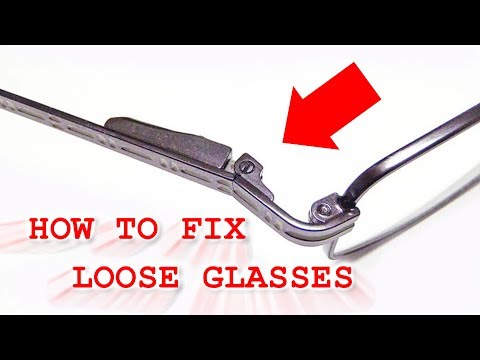
How to fix loose glasses are one of the most common and frustrating problems people face with their eyewear. Whether your frames slide down your nose during the day, feel wobbly on your ears, or constantly need pushing back into place, the issue usually comes down to a few fixable causes. The good news is that many of these problems how to fix loose glasses can be resolved at home with basic tools and a little care. Understanding why glasses become loose and applying the right techniques can restore a secure, comfortable fit without an immediate trip to the optician.
Why Glasses Become Loose Over Time
Glasses endure daily wear, temperature changes, and accidental bumps. Screws can loosen from regular opening and closing of the temples. Metal frames may bend slightly from being sat on or stored improperly. Plastic frames can lose their shape after exposure to heat or prolonged pressure. Nose pads wear down or shift, and earpieces can stretch. Recognizing the exact source of the looseness is the first step toward an effective fix. Most issues fall into three categories: loose screws, misaligned frames, or worn nose pads and temples.
Tools You Will Need for Basic Repairs
Before starting any adjustment, gather a few simple items. A small precision screwdriver set designed for eyeglasses is essential for tightening screws. Many optical stores and online retailers sell inexpensive eyeglass repair kits that include multiple screwdriver sizes, a magnifying glass, and spare screws. Soft microfiber cloths protect lenses during handling. Needle-nose pliers with rubber tips or a pair of regular pliers wrapped in a soft cloth help with gentle bending. For plastic frames, a hair dryer on a low setting can soften the material safely. Having these tools ready for how to fix loose glasses prevents damage that can occur when improvising with household items.
Tightening Loose Screws
The most frequent cause of wobbly glasses is a loosened hinge screw. Over time, the repeated motion of folding and unfolding the arms gradually backs the screw out. To fix this, place the glasses on a clean, flat surface with the lenses facing upward. Locate the tiny screw at each hinge where the temple meets the front frame. Using the correct size screwdriver, turn the screw clockwise in small increments. Avoid overtightening, as this can strip the threads or crack the frame. If a screw is missing entirely, replace it with a matching spare from a repair kit. After tightening both sides, open and close the temples several times to confirm they move smoothly without excessive play. This simple step often restores stability immediately.
Adjusting Bent or Misaligned Metal Frames
Metal frames can develop a slight twist or bend that throws off the fit. One temple may sit higher than the other, or the entire front may tilt. To correct this, hold the glasses by the bridge and gently compare both sides in a mirror or against a flat surface. If one arm is higher, carefully bend the higher side downward or the lower side upward using padded pliers. Work slowly and make very small adjustments. For frames that have spread too wide, gently squeeze the temples inward near the hinges. Always support the frame close to the adjustment point to avoid stressing other areas. After each change, try the glasses on and check the balance. Metal is relatively forgiving when adjusted carefully, but repeated bending in the same spot can weaken it.
Reshaping Plastic Frames Safely
Plastic and acetate frames respond well to gentle heat. Warm the area that needs adjustment with a hair dryer on low heat for 20 to 30 seconds, keeping the dryer moving so the material does not overheat. Once pliable, reshape the temples or bridge by hand, then hold the new position until the plastic cools and sets. Never use boiling water or an open flame, as these can warp the frame permanently or damage coatings on the lenses. After reshaping, let the glasses rest for a few minutes before wearing them. This method works especially well for temples that have stretched outward or for adjusting the curve behind the ears.
Fixing or Replacing Nose Pads
Nose pads that have flattened, shifted, or cracked allow glasses to slide forward. Many frames use screw-mounted or push-in pads that can be replaced. Remove the old pads carefully with a screwdriver if they are screwed in, or gently pull them free if they are of the push-on type. Install new pads of the same size and style, ensuring they sit evenly and face slightly inward for proper contact with the nose. For pads that are merely loose, tighten the mounting screws or reposition them so they distribute weight evenly. Clean pads regularly with mild soap and water, as oils from the skin can make them slippery and contribute to sliding.
Improving the Fit Behind the Ears
Temples that no longer curve properly around the ears often cause glasses to feel loose overall. For metal frames, use padded pliers to increase the downward bend near the earpiece. For plastic, apply gentle heat first, then reshape the curve by hand. The goal is a secure yet comfortable hold without pressure points. After adjusting, wear the glasses for a short period and note any discomfort. Small refinements usually solve the problem. If the temples are too short or too long for your face shape, professional resizing may be necessary.
When to Seek Professional Help
Not every loose pair of glasses can or should be fixed at home. Severely bent frames, cracked hinges, or lenses that have shifted in their mounts require an optician’s tools and expertise. Attempting complex repairs can cause permanent damage or affect the optical alignment of the lenses. Regular professional adjustments every six to twelve months help maintain proper fit and can prevent small issues from becoming major ones. Many optical shops offer free or low-cost adjustments for frames purchased from them. If your glasses are still under warranty, check the terms before attempting repairs that might void coverage.
Preventive Habits That Keep Glasses Secure
Simple daily habits reduce the chance of glasses becoming loose again. Always remove them with both hands to avoid twisting the frame. Store them in a hard case when not in use rather than placing them face-down on a table. Avoid leaving them in hot cars or near heaters, as heat softens plastic and can loosen adhesives. Clean hinges periodically and check screws every few months. Choosing frames that fit your face shape well from the start also minimizes long-term adjustment needs. High-quality hinges and materials tend to hold their shape longer than inexpensive alternatives.
Final Checks for Comfort and Stability
After any repair or adjustment, perform a quick evaluation. Put the glasses on and look straight ahead in a mirror. The frames should sit level, with the lenses centered in front of your eyes. The nose pads should rest evenly without pinching, and the temples should hold the glasses securely without digging into the sides of your head. Shake your head gently from side to side and up and down. The glasses should remain in place. If they still shift, identify the remaining weak point and make one more targeted adjustment. Comfort is as important as security; frames that are too tight can cause headaches and pressure marks.
How to fix loose glasses do not have to mean constant frustration or an immediate replacement. With the right approach, most common problems can be corrected at home using inexpensive tools and careful technique. Start with the simplest fix—tightening screws—then move to frame alignment and nose-pad adjustments as needed. When in doubt, consult an eye-care professional to protect both the frames and your vision. Consistent care and occasional maintenance will keep your glasses fitting well and performing as intended for years.



One thought on “How to Fix Loose Glasses: Simple Solutions That Actually Work”