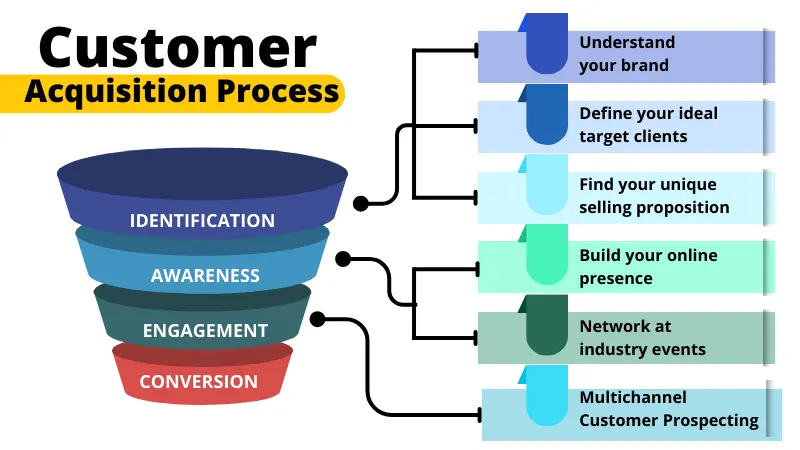
Businesses grow when they consistently attract the right clients. Mastering Client Acquisition Techniques helps companies move beyond random leads and build predictable pipelines. These methods focus on identifying ideal customers, creating value-driven outreach, and converting interest into lasting relationships. When applied correctly, they reduce acquisition costs and improve revenue quality.
Understanding the Foundations of Client Acquisition
Client acquisition is the process of bringing new customers into your business. It differs from pure sales because it emphasizes relationship building and long-term value rather than one-time transactions. Successful acquisition starts with clarity about who you serve and what problems you solve.
Defining Your Ideal Client Profile
Before choosing any technique, define your ideal client. Consider industry, company size, budget range, decision-maker roles, and specific pain points. A clear profile allows you to focus energy on prospects most likely to convert and stay. Without this foundation, even strong outreach produces low-quality leads.
Aligning Acquisition with Business Goals
Acquisition efforts must support broader objectives such as revenue targets, market expansion, or brand positioning. Teams that treat acquisition as an isolated activity often waste resources. Aligning techniques with measurable goals creates consistency across marketing, sales, and service teams.
Proven Client Acquisition Techniques for Modern Businesses
Several approaches consistently deliver results across industries. The most effective strategies combine digital reach with human connection.
Content Marketing and Thought Leadership
High-quality content positions your brand as an authority. Blog posts, case studies, white papers, and videos attract prospects searching for solutions. When content answers real questions, it builds trust before any sales conversation begins. Consistency matters more than volume—regular, useful material keeps your brand visible.
Strategic Networking and Relationship Building
Face-to-face or virtual networking remains powerful. Industry events, professional associations, and targeted online communities create opportunities for genuine connections. Focus on giving value first. Share insights, make introductions, and follow up thoughtfully. Strong relationships often lead to referrals and direct business.
Referral Programs and Advocacy
Satisfied clients are among the most effective acquisition channels. Structured referral programs encourage existing customers to recommend your services. Offer clear incentives, make the process simple, and recognize advocates publicly. Referral-sourced clients usually convert faster and stay longer because trust is already established.
Targeted Outreach and Personalized Communication
Cold outreach still works when executed with care. Research prospects thoroughly, personalize every message, and lead with insight rather than a sales pitch. Email sequences, LinkedIn messages, and carefully timed calls can open doors. The key is relevance—generic messages get ignored.
Partnerships and Strategic Alliances
Collaborating with complementary businesses expands reach without heavy advertising spend. Identify partners whose clients overlap with yours but who do not compete directly. Joint webinars, co-branded content, or referral agreements create mutual value. These alliances often generate high-quality leads at lower cost.
Digital Advertising and Re targeting
Paid channels allow precise targeting. Platforms such as Google Ads, LinkedIn Ads, and industry-specific networks help you reach decision-makers. Re targeting keeps your brand in front of people who have already shown interest. Combine clear messaging with strong landing pages to improve conversion rates.
Social Proof and Case Studies
Prospects want evidence that your solution works. Detailed case studies, client testimonials, and measurable results reduce perceived risk. Share these materials on your website, in proposals, and during conversations. Social proof accelerates decision-making.
Building a Systematic Acquisition Process
Random activity produces inconsistent results. A structured process turns techniques into a repeatable system.
Creating a Multi-Channel Approach
Relying on a single channel creates vulnerability. Combine content, outreach, referrals, partnerships, and paid efforts. Different prospects respond to different touch points. A multi-channel system increases overall reach and resilience.
Tracking and Measuring Performance
Measure what matters. Track metrics such as cost per lead, conversion rates, customer lifetime value, and time to close. Review data regularly and adjust tactics that under perform. Data-driven decisions prevent wasted effort.
Nurturing Leads Over Time
Not every prospect is ready to buy immediately. Nurture sequences—through email, valuable content, or occasional check-ins—keep your brand top of mind. Effective nurturing converts interested contacts into clients over weeks or months rather than forcing premature decisions.
Common Mistakes to Avoid
Many businesses undermine their own efforts through preventable errors.
Focusing Only on Volume
Chasing large numbers of low-quality leads drains resources. Quality always outperforms quantity. A smaller number of well-qualified prospects produces better revenue and less churn.
Ignoring Follow-Up
Most deals require multiple touch points. Prospects who do not respond immediately are not necessarily uninterested. Consistent, value-based follow-up dramatically improves conversion rates.
Neglecting Existing Relationships
Acquisition does not end at the first sale. Clients who feel valued generate referrals and additional business. Treating acquisition and retention as separate activities limits growth.
FAQs About Client Acquisition Techniques
What is the most effective client acquisition technique?
No single method works for every business. The strongest results usually come from combining content, referrals, and personalized outreach tailored to your ideal client.
How long does it take to see results from client acquisition efforts?
Timelines vary. Content and networking often require several months to generate consistent leads, while targeted outreach and referrals can produce faster outcomes when executed well.
Should small businesses invest in paid advertising for client acquisition?
Yes, if budgets allow and targeting is precise. Start with small tests, measure returns carefully, and scale only what performs.
How do I measure the success of my acquisition techniques?
Track cost per acquired client, conversion rates at each stage, and long-term client value. Compare these figures against your targets and industry benchmarks.
Can Client Acquisition Techniques work for service-based businesses?
Absolutely. Service businesses often benefit most from relationship-driven methods such as networking, referrals, and thought leadership.
Conclusion
Sustainable growth depends on consistent, thoughtful client acquisition. The techniques outlined above—content marketing, networking, referrals, personalized outreach, partnerships, and measured digital efforts—provide a practical framework. Success comes from clarity about your ideal client, disciplined execution, and continuous improvement based on real data. When businesses treat acquisition as a system rather than a series of isolated actions, they build stronger pipelines and more predictable revenue. Start by refining one or two techniques that fit your strengths, measure the outcomes, and expand from there.



One thought on “Client Acquisition Techniques That Deliver Real Results”