Chronic Care Management: A Complete Guide for Patients and Providers
Chronic care management helps Medicare patients with two or more long-term conditions receive coordinated support between office visits. This structured service improves daily health management, reduces complications, and allows providers to bill for the non-face-to-face work they already perform.
Millions of adults live with conditions such as diabetes, heart failure, COPS, hypertension, arthritis, or depression. When two or more of these conditions last at least 12 months or until the end of life and place the patient at significant risk of death, acute worsening, or functional decline, chronic care management becomes available. The program focuses on continuous coordination rather than isolated appointments.
What Is Chronic Care Management?
Add some images with alt attributes that include the keyphrase or synonyms
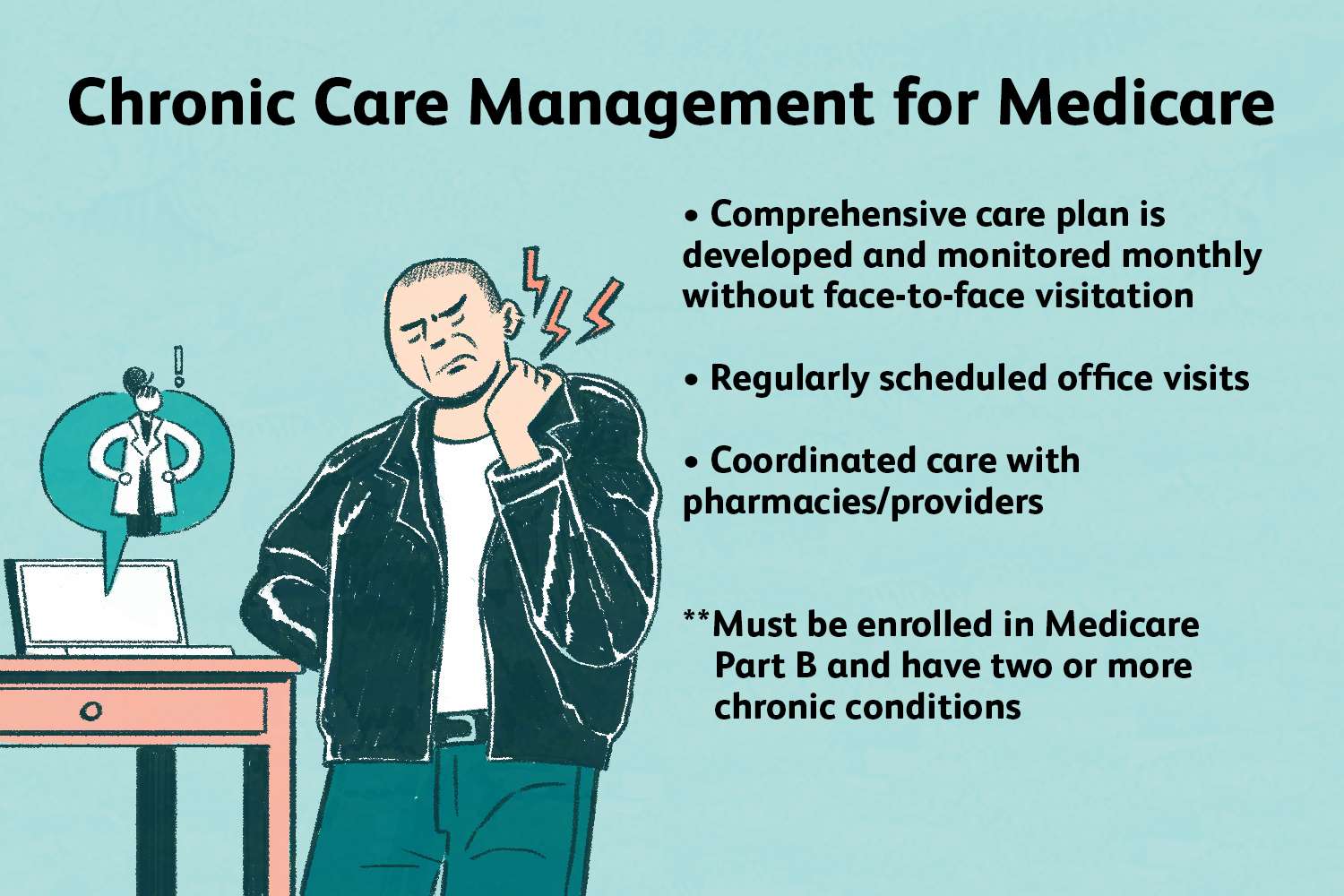
Chronic care management is a Medicare Part B service that reimburses physicians and qualified healthcare professionals for time spent managing patients with multiple chronic conditions outside face-to-face visits. Clinical staff often deliver the services under general supervision.
The core elements include a comprehensive care plan, ongoing communication, medication review, and coordination among specialists, pharmacies, and community resources. Patients gain 24/7 access to a care team member for urgent needs related to their conditions.
Key Required Elements
Providers must establish, implement, revise, or monitor a comprehensive care plan. This plan typically lists diagnoses, medications, measurable goals, symptom management strategies, and planned interventions. The patient or caregiver receives a copy of the plan.
Who Qualifies for Chronic Care Management?
Eligibility centers on clear Medicare criteria.
- The patient must have Medicare Part B coverage (or dual eligibility with Medicaid).
- The patient must have two or more chronic conditions expected to last at least 12 months or until death.
- Those conditions must place the patient at significant risk of death, acute exacerbation or compensation, or functional decline.
Common qualifying conditions include diabetes, chronic kidney disease, heart failure, COPS, hypertension, arthritis, cancer, depression, and Alzheimer’s disease. The list is not exhaustive—any conditions meeting the risk and duration standards can qualify.
New patients or those not seen in the previous year usually need an initiating face-to-face visit (such as an evaluation and management visit, Annual Wellness Visit, or Initial Preventive Physical Examination) before services begin. Established patients can often start after verbal or written consent.
How Chronic Care Management Works
The process follows a monthly rhythm.
- Enrollment and consent – The provider explains the service, obtains patient consent (written or verbal and documented), and notes that only one practitioner can bill for the service each month.
- Care plan creation – The team develops a personalized electronic care plan that addresses medical, functional, and psycho social needs.
- Monthly coordination – Clinical staff spend at least 20 minutes (or more for complex cases) on activities such as medication reconciliation, specialist follow-up, patient education, and care-gap closure.
- Ongoing support – Patients receive regular outreach, appointment reminders, and 24/7 access for urgent chronic-care questions.
Providers document every minute of qualifying time and keep the care plan current.
PCT Codes and Billing Overview
Medicare uses time-based PCT codes:
- 99490 – First 20 minutes of clinical staff time for non-complex services.
- 99439 – Each additional 20 minutes of clinical staff time.
- 99491 – First 30 minutes of physician or qualified professional time.
- 99437 – Each additional 30 minutes of physician or qualified professional time.
- 99487 – First 60 minutes of clinical staff time for complex care management (requires moderate- to high-complexity medical decision-making).
- 99489 – Each additional 30 minutes for complex services.
Rates vary by locality and year; the 2026 Physician Fee Schedule increased many of these amounts. Only one practitioner bills per calendar month, and services cannot overlap with certain other care-management codes on the same day.
Benefits of Chronic Care Management
Patients experience clearer communication, fewer medication errors, and reduced emergency visits or hospitalizations. Regular check-ins help catch problems early. Providers gain a sustainable revenue stream for work they already perform while improving quality metrics and patient loyalty.
Studies and CM guidance consistently link the service to better health outcomes and lower overall costs. Practices that implement structured workflows often see higher patient satisfaction scores and stronger performance in value-based payment models.
Best Practices for Successful Implementation
Successful programs rely on clear workflows. Identify eligible patients through HER reports. Train clinical staff on documentation and time-tracking. Use certified electronic health records to share the care plan across the team. Obtain and document consent properly. Review the care plan regularly and update it when conditions change.
Many practices start with a pilot group of high-need patients and expand once processes stabilize. Technology platforms that automate outreach and time capture can reduce administrative burden.
Frequently Asked Questions
Does Medicare cover the full cost of chronic care management?
Medicare Part B pays 80 percent after the annual deductible. Patients are responsible for the remaining 20 percent coinsurance unless they have supplemental coverage or dual eligibility.
Can I stop the service at any time?
Yes. Patients may withdraw consent at any time. Providers document the request and stop billing for subsequent months.
Is chronic care management the same as remote patient monitoring?
No. Chronic care management focuses on care coordination and does not require connected devices. Remote patient monitoring involves physiologic data transmission and has separate codes.
Who can provide the services?
Physicians, nurse practitioners, physician assistants, clinical nurse specialists, and certified nurse midwives can bill. Clinical staff (nurses, medical assistants, care coordinators) can perform much of the work under general supervision.
How much time must the team spend each month?
Non-complex services require at least 20 minutes of clinical staff time or 30 minutes of physician time. Complex services require at least 60 minutes of clinical staff time plus moderate- to high-complexity decision-making.
Conclusion
Chronic care management offers a practical, reimbursable way to support patients living with multiple long-term conditions. By focusing on continuous coordination, personalized care plans, and regular outreach, the service improves outcomes while giving providers credit for essential between-visit work. Patients who meet the eligibility criteria benefit from clearer guidance, fewer gaps in care, and stronger partnerships with their healthcare teams. Providers who implement structured processes gain both clinical and financial rewards.
If you or a loved one lives with two or more chronic conditions, ask your primary care provider whether chronic care management is available. Starting the conversation today can lead to more coordinated, proactive care tomorrow.