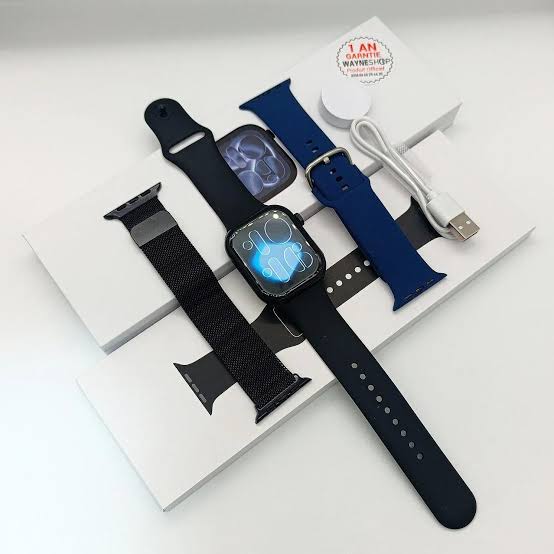
A Bluetooth smart watch has become one of the most practical everyday wearables available. These devices connect wirelessly to your smartphone, delivering notifications, health insights, fitness data, and control features directly to your wrist without needing a separate cellular plan. In 2026, Bluetooth remains the foundation for the majority of smartwatches, powering reliable pairing while keeping costs and battery demands lower than cellular models.
Understanding Bluetooth Connectivity in Smartwatches
Bluetooth, specifically Bluetooth Low Energy (BLE), forms the core link between a smartwatch and a phone. BLE prioritizes efficiency, transferring small packets of data such as heart rate readings, step counts, sleep stages, and message previews with minimal power use. This allows continuous monitoring without rapidly draining the battery.
Most modern smartwatches support Bluetooth 5.0 or higher, ensuring stable connections within roughly 10 meters of the phone. Once paired through the manufacturer’s companion app, the watch mirrors notifications, enables music controls, and syncs fitness metrics. Some models also support Bluetooth calling via built-in microphones and speakers, letting you answer calls hands-free when the phone is nearby.
Compatibility varies by platform. Apple Watch models work exclusively and seamlessly with iPhones, integrating deeply with the Health and Fitness apps. Android users have broader choices, including Samsung Galaxy Watch, Google Pixel Watch, Garmin, Amazfit, and others that pair with most Android phones. Cross-platform options exist, though full feature access is usually strongest within the same ecosystem.
Core Benefits of a Bluetooth Smart Watch
The primary advantage lies in convenience and continuous awareness. Notifications for calls, messages, emails, and apps appear on your wrist, reducing the need to pull out your phone constantly. Health tracking has advanced significantly: continuous heart rate monitoring, blood oxygen (SpO2) levels, sleep stage analysis (light, deep, REM), stress or recovery scores, and activity detection are now standard on most models.
Fitness enthusiasts benefit from automatic workout recognition, GPS-assisted tracking for runs or rides (when connected or via onboard GPS), and detailed metrics such as pace, cadence, and calories. Many watches also offer music control for wireless headphones and quick access to timers, alarms, weather, and find-my-phone functions.
Battery life stands out as a major practical benefit of Bluetooth-focused models. Without cellular radios constantly searching for signal, many devices achieve several days of use—sometimes a week or more—under typical conditions with notifications and health sensors active. Premium AMOLED displays and always-on features reduce that duration, while more efficient displays or simpler interfaces extend it.
Key Features to Evaluate in 2026
When assessing a Bluetooth smart watch, prioritize these elements:
Health and Sensor Accuracy
Look for optical heart rate sensors that maintain reasonable accuracy against clinical references, SpO2 tracking, and advanced sleep analysis. Higher-end models add ECG for atrial fibrillation detection, skin temperature sensing, or hypertension notifications. These features provide useful trends for personal wellness but are not medical diagnostic tools.
Display and Build
AMOLED screens deliver vibrant colors and good outdoor visibility. Brightness levels of 1,000 nits or higher help in sunlight. Case sizes typically range from 40 mm to 47 mm; choose based on wrist comfort. Water resistance of 5 ATM supports swimming and showers for most users.
Battery and Charging
Real-world battery life depends on usage. Everyday Bluetooth models often last 4–14 days. Models with always-on displays or frequent GPS use require more frequent charging. Magnetic charging is common and convenient.
Software and Ecosystem
The companion app and operating system matter. watchOS delivers polished integration for iPhone users. Wear OS powers many Android watches with access to Google services and apps. Brand-specific systems from Garmin or Amazfit emphasize long battery life and sports features.
Additional Capabilities
NFC for contactless payments, onboard storage for music, dual-frequency GPS for better accuracy in challenging environments, and voice assistants enhance usefulness. Fall detection and emergency SOS add safety value.
How to Choose the Right Bluetooth Smart Watch
Start by identifying your primary need. Everyday productivity and notifications favor ecosystem-matched models such as an Apple Watch for iPhone users or a Galaxy or Pixel Watch for Android. Serious fitness tracking points toward Garmin or similar multi-sport options with strong GPS and recovery metrics. Budget-conscious buyers can find capable devices under $200 that still deliver solid heart rate, sleep tracking, and multi-day battery life.
Confirm phone compatibility first, as mismatched platforms limit features. Consider battery expectations honestly—if nightly charging feels inconvenient, prioritize longer-lasting options. Read recent independent tests for sensor accuracy and real-world battery performance rather than relying solely on manufacturer claims.
Bluetooth-only models suit most people who stay near their phones. Cellular versions add independence for calls and data away from the phone but increase cost, size, and battery demand. For the majority of users, Bluetooth connectivity provides the best balance of features, price, and convenience.
Practical Tips for Getting the Most from Your Watch
Pair the watch correctly through the official app and grant necessary permissions for notifications and health data. Keep firmware updated for improved stability and new features. Adjust sensor sampling or always-on display settings to extend battery life when needed. Clean the sensors regularly and ensure a snug but comfortable fit for accurate readings.
Privacy remains important. Review what data the companion app shares and use built-in controls to limit unnecessary tracking. Bluetooth connections are generally secure when using official apps and keeping software current.
A well-chosen Bluetooth smart watch integrates health awareness, fitness motivation, and daily convenience into a single wearable. By focusing on compatibility with your phone, the features you will actually use, and realistic battery expectations, you can select a device that delivers lasting value without unnecessary complexity. Whether tracking sleep quality, receiving discreet alerts during meetings, or monitoring workouts, these watches turn the wrist into a practical command center for modern life.