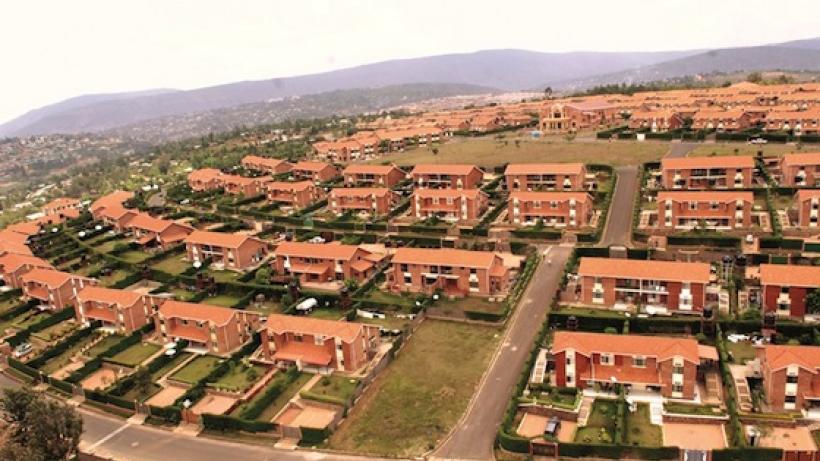
Affordable housing development stands as one of the most pressing challenges and opportunities in modern urban planning. As cities expand and populations grow, the gap between housing costs and household incomes continues to widen in many regions. Creating homes that working families, seniors, and essential workers can genuinely afford requires thoughtful planning, innovative financing, and strong collaboration among governments, developers, and communities. This article explores the core principles, practical strategies, and long-term benefits of successful affordable housing development.
Understanding the Need for Affordable Housing
Affordable housing is typically defined as housing that costs no more than 30 percent of a household’s gross income. When families spend more than this threshold on rent or mortgage payments, they often face difficult trade-offs in areas such as healthcare, education, and nutrition. Across many metropolitan areas, rising land values, construction costs, and limited housing supply have pushed this basic standard out of reach for a significant portion of the population.
The consequences extend beyond individual households. A shortage of affordable homes contributes to longer commutes, increased traffic congestion, reduced economic mobility, and greater strain on social services. Workers in critical sectors such as healthcare, education, and public safety may struggle to live near their jobs, weakening the fabric of local communities. Effective affordable housing development addresses these interconnected issues by increasing the supply of quality homes at accessible price points.
Key Challenges in Developing Affordable Housing
Several structural barriers make affordable housing development complex. High land costs in desirable locations often force projects into less accessible areas, limiting residents’ access to jobs and amenities. Construction expenses, including materials and labor, have risen steadily, while regulatory requirements such as zoning restrictions, lengthy permitting processes, and parking mandates can add significant delays and costs.
Financing presents another major hurdle. Traditional market-rate projects rely on private capital seeking competitive returns. Affordable developments frequently depend on layered funding sources, including tax credits, government subsidies, low-interest loans, and philanthropic contributions. Coordinating these resources requires specialized expertise and can extend project timelines. Community opposition, sometimes rooted in misconceptions about property values or neighborhood character, can further complicate approvals.
Proven Strategies for Successful Projects
Despite these challenges, proven approaches have enabled successful affordable housing development across diverse markets. One of the most effective tools is the Low-Income Housing Tax Credit program, which incentivizes private investment in affordable rental housing. When combined with local density bonuses, inclusionary zoning policies, and streamlined permitting, these incentives can make projects financially viable.
Public-private partnerships play a central role. Municipalities can contribute land, infrastructure support, or tax abatements, while experienced developers bring construction and management expertise. Nonprofit housing organizations often serve as long-term stewards, ensuring that affordability restrictions remain in place for decades. Mixed-income developments that combine affordable units with market-rate homes help create economically diverse neighborhoods and reduce stigma sometimes associated with exclusively subsidized housing.
Innovative design and construction methods also contribute to cost control. Modular and prefabricated building techniques can reduce construction time and waste. Energy-efficient designs lower long-term operating costs for residents through reduced utility bills. Thoughtful site planning that prioritizes walkability, access to public trans. Community amenities enhances quality of life without necessarily increasing expenses.
The Role of Policy and Community Engagement
Strong policy frameworks provide the foundation for scalable affordable housing development. Local governments can update zoning codes to allow higher density near transit corridors, reduce or eliminate minimum parking requirements in well-served areas, and establish clear, predictable approval processes. Inclusionary housing ordinances that require a percentage of units in new developments to be affordable help distribute opportunities more evenly across neighborhoods.
Community engagement remains essential. Early and transparent communication with residents helps address concerns, incorporate local input, and build support. Successful projects often include community benefits such as open space, childcare facilities, or job training programs. When neighbors see tangible advantages beyond the housing itself, opposition frequently softens.
Long-Term Benefits and Broader Impacts
Well-executed affordable housing development delivers benefits that extend far beyond shelter. Stable housing improves educational outcomes for children, reduces healthcare costs linked to housing instability, and supports local economic growth by keeping workers in the community. Property values in mixed-income neighborhoods have often remained stable or increased when projects are well-designed and professionally managed.
From an environmental perspective, denser, transit-oriented affordable housing reduces reliance on cars and supports more efficient land use. These projects can also incorporate green building standards that lower carbon footprints while providing healthier indoor environments for residents.