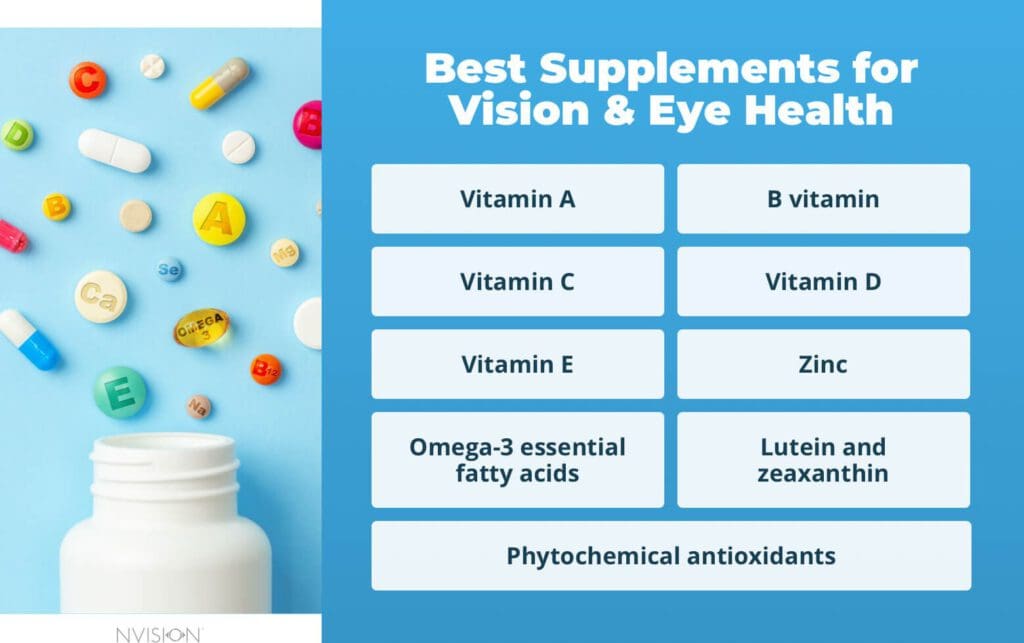
An eye vitamin plays a key role in maintaining clear vision and supporting long-term eye health. Many people overlook the connection between daily nutrition and how well their eyes function as they age. The right combination of vitamins, minerals, and plant compounds helps protect the retina, filter harmful light, and reduce the risk of common age-related conditions.
This guide covers the most important nutrients for your eyes, how they work, the best food sources, and practical advice on supplements. You will also find answers to frequent questions so you can make informed choices.
Why Eye Health Depends on Specific Nutrients
Your eyes face constant exposure to light, oxygen, and environmental stress. Over time, this creates free radicals that can damage delicate tissues in the retina and lens. Antioxidants and structural nutrients counteract that damage.
Research from major studies, including the Age-Related Eye Disease Studies (AREDS and AREDS2), shows that certain nutrients slow the progression of age-related macular degeneration (AMD) in people who already have intermediate stages of the condition. These nutrients also support everyday functions such as night vision, tear production, and protection against blue light.
A balanced diet remains the foundation. Supplements fill gaps only when diet falls short or a doctor recommends them for a specific condition.
Key Nutrients That Support Eye Health
Several vitamins and related compounds stand out for their proven or promising roles.
Vitamin A and Beta-Carotene
Vitamin A helps the retina convert light into signals the brain can process. It also maintains the surface of the cornea and supports moisture levels that prevent dry eyes. A deficiency can lead to night blindness and other surface problems.
The body converts beta-carotene from plants into vitamin A. Excellent sources include carrots, sweet potatoes, pumpkin, spinach, and red peppers. Animal sources such as egg yolks, dairy, and liver provide the active form directly.
Vitamin C
This powerful antioxidant concentrates in the fluid around the lens. It helps protect against oxidative damage linked to cataracts and supports the health of blood vessels in the eyes.
Citrus fruits, kiwi, strawberries, bell peppers, broccoli, and tomatoes deliver high amounts. The AREDS2 formula used 500 mg daily as part of its tested combination.
Vitamin E
Vitamin E protects fatty components of cell membranes in the retina from oxidation. Higher dietary intake has been linked to lower risk of certain age-related changes, though results vary across studies.
Nuts, seeds, sunflower oil, avocado, and leafy greens supply this nutrient well.
Lutein and Zeaxanthin
These carotenoids accumulate naturally in the macula, the central part of the retina responsible for sharp vision. They filter blue light and act as antioxidants right where light-induced stress is highest.
Leafy greens such as kale, spinach, and collard greens rank among the richest sources. Egg yolks, corn, and orange peppers also contribute. The AREDS2 study used 10 mg of lutein and 2 mg of zeaxanthin daily.
Zinc
Zinc supports the transport of vitamin A to the retina and helps form visual pigments. The eyes contain relatively high levels of this mineral.
Oysters, crab, beef, pumpkin seeds, chickpeas, and fortified cereals provide zinc. The AREDS2 formula included 80 mg (with copper to balance potential interference).
Omega-3 Fatty Acids
DHA, a type of omega-3, forms a major structural part of retinal cell membranes. Omega-3s also show benefits for dry eye symptoms by supporting tear quality and reducing inflammation.
Fatty fish such as salmon, mackerel, and sardines offer the most direct sources. Flaxseeds, chia seeds, and walnuts supply plant-based ALA that the body converts in limited amounts.
Food Sources Versus Supplements
Eating a colorful variety of fruits, vegetables, nuts, seeds, eggs, and fish covers most needs for the average person. Aim for several servings of leafy greens and orange or red produce each week, plus fish twice a week when possible.
Supplements become relevant mainly for people with intermediate AMD or advanced AMD in one eye. The AREDS2 formula (vitamin C 500 mg, vitamin E 400 IU, lutein 10 mg, zeaxanthin 2 mg, zinc 80 mg, and copper 2 mg) reduced the risk of progression to advanced stages by about 25 percent in clinical trials.
Healthy individuals without AMD do not show clear preventive benefits from high-dose eye vitamin formulas. Taking more than needed offers little extra protection and can carry risks, such as interactions with blood thinners from high vitamin E or copper imbalance from excess zinc. Always discuss supplements with an eye doctor or physician first.
Practical Tips for Daily Eye Support
Build meals around nutrient-dense foods rather than relying solely on pills. Pair fat-soluble nutrients (lutein, vitamin E, vitamin A) with a source of healthy fat for better absorption. Limit smoking, which raises risk for several eye conditions, and wear UV-protective sunglasses outdoors.
Regular comprehensive eye exams remain essential. Nutrition supports eye health but does not replace professional care, especially if you notice changes in vision, persistent dryness, or have a family history of eye disease.
Stay hydrated and take screen breaks using the 20-20-20 rule (every 20 minutes, look 20 feet away for 20 seconds) to reduce digital eye strain.
Frequently Asked Questions
What is the best eye vitamin overall?
No single nutrient works alone. The combination with strongest evidence for people at risk of advanced AMD is the AREDS2 formula containing lutein, zeaxanthin, vitamins C and E, zinc, and copper. For general support, focus on food sources of these nutrients.
Can eye vitamins improve existing vision problems?
They do not reverse damage or restore lost vision in most cases. They may slow progression of certain conditions such as intermediate AMD. Results depend on the individual and the specific diagnosis.
Are there side effects from eye vitamin supplements?
High doses can cause issues. Excess zinc may interfere with copper absorption. High vitamin E can affect blood clotting. Beta-carotene (used in the original AREDS formula) increased lung cancer risk in smokers and former smokers, which is why AREDS2 replaced it with lutein and zeaxanthin. Consult a doctor before starting any regimen.
How long does it take to notice benefits?
Dietary improvements support overall health gradually. Clinical benefits from AREDS2-type supplements appeared over years of consistent use in studies, not days or weeks.
Should children or young adults take eye vitamins?
A varied diet usually meets needs. Supplements are rarely necessary unless a doctor identifies a deficiency or specific medical reason.
Conclusion
An eye vitamin strategy works best when built on real food first and targeted supplementation only when evidence and professional advice support it. Focus on lutein, zeaxanthin, vitamins A, C, and E, zinc, and omega-3s through colorful produce, leafy greens, nuts, seeds, eggs, and fish.
These choices help protect the retina, support clear vision, and lower risks associated with aging. Combine smart nutrition with regular eye check-ups, UV protection, and healthy lifestyle habits for the strongest long-term results. Start with your plate today—your eyes will thank you for years to come.