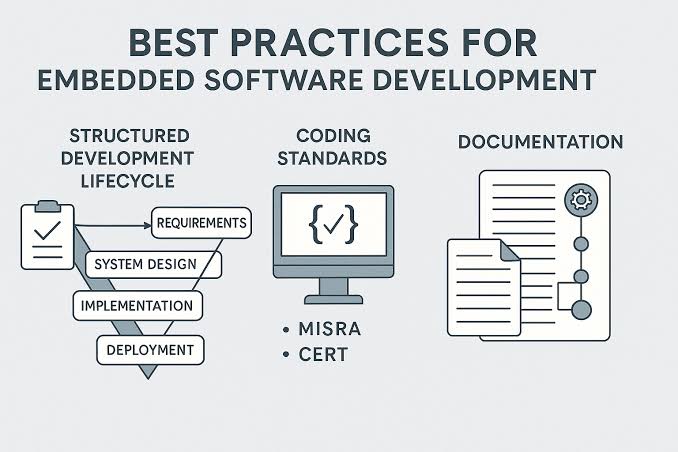
Software development is the structured process of designing, creating, testing, and maintaining software applications that solve real-world problems. From mobile apps and enterprise systems to cloud platforms and AI-powered tools, It powers nearly every aspect of modern life and business. This guide explores the core principles, methodologies, best practices, and emerging trends that define successful software development today.
What Is Software Development?
It refers to the complete lifecycle of building software solutions. It includes gathering requirements, designing architecture, writing code, testing functionality, deploying products, and providing ongoing maintenance. Unlike simple coding, software development is a multidisciplinary effort that combines technical expertise, project management, user experience design, and quality assurance.
Professional software development teams typically follow structured processes to deliver reliable, scalable, and secure applications. Whether building a startup MVP or a large-scale enterprise system, the goal remains the same: create software that meets user needs efficiently and sustainably.
The Software Development Life Cycle (SDLC)
Every successful project follows a software development life cycle. Understanding each phase helps teams deliver higher-quality results on time and within budget.
1. Planning and Requirements Gathering
Teams define the project scope, identify stakeholders, and collect detailed requirements. Clear documentation at this stage prevents costly changes later.
2. System Design and Architecture
Architects create technical blueprints covering system structure, data models, APIs, and technology stacks. Good design decisions early on improve scalability and maintainability.
3. Implementation and Coding
Developers write clean, modular code based on the design specifications. Modern software development emphasizes readable code, version control, and collaborative tools like Git.
4. Testing and Quality Assurance
Rigorous testing identifies bugs and performance issues. This includes unit tests, integration tests, system tests, and user acceptance testing.
5. Deployment and Release
The application is released to production environments. Continuous integration and continuous deployment (CI/CD) pipelines make this process faster and more reliable.
6. Maintenance and Updates
After launch, teams monitor performance, fix issues, and add new features based on user feedback. Long-term maintenance is a critical part of software development.
Popular Software Development Methodologies
Choosing the right methodology significantly impacts project success.
Agile Software Development
Agile focuses on iterative progress, frequent feedback, and adaptability. Teams work in short sprints and continuously refine the product. Scrum and Kanban are the most widely used Agile frameworks.
Waterfall Model
This traditional sequential approach completes each phase before moving to the next. It works well for projects with fixed requirements but lacks flexibility.
DevOps and Continuous Delivery
DevOps bridges development and operations teams. It emphasizes automation, collaboration, and rapid, reliable releases. Many organizations now combine Agile with DevOps practices.
Lean and Extreme Programming (XP)
These approaches prioritize efficiency, simplicity, and continuous improvement. They reduce waste and encourage practices such as pair programming and test-driven development.
Key Best Practices in Software Development
High-performing teams follow proven practices that improve quality and speed.
- Write clean, maintainable code – Readable code reduces technical debt and makes future changes easier.
- Use version control systems – Git enables collaboration, tracking changes, and safe experimentation.
- Adopt test-driven development – Writing tests before code leads to more robust applications.
- Prioritize security from the start – Secure coding practices and regular audits protect against vulnerabilities.
- Focus on user experience – Software must be intuitive and valuable to end users.
- Document thoroughly – Clear documentation helps new team members and future maintenance.
- Monitor and measure performance – Analytics and logging reveal issues before users notice them.
Essential Tools and Technologies
Modern software development relies on a rich ecosystem of tools:
- Programming languages – Python, JavaScript, Java, TypeScript, Go, and Rust remain popular choices depending on the project.
- Frameworks and libraries – React, Angular, Node.js, Django, Spring Boot, and Flutter accelerate development.
- Cloud platforms – AWS, Microsoft Azure, and Google Cloud provide scalable infrastructure.
- CI/CD tools – Jenkins, GitHub Actions, GitLab CI, and CircleCI automate testing and deployment.
- Collaboration platforms – Jira, Slack, Notion, and Microsoft Teams keep teams aligned.
- Testing tools – Selenium, Jest, Cypress, and Postman support comprehensive quality assurance.
Selecting the right technology stack depends on project requirements, team expertise, scalability needs, and long-term maintenance considerations.
Current Trends Shaping Software Development
The field of software development continues to evolve rapidly. Several trends are transforming how teams build and deliver applications:
Artificial Intelligence and Machine Learning Integration
AI-assisted coding tools such as GitHub Copilot help developers write code faster. Machine learning models are also embedded into applications for personalization, prediction, and automation.
Cloud-Native and Microservices Architecture
Organizations increasingly design applications as collections of independent microservices that run in cloud environments. This approach improves scalability, resilience, and deployment speed.
Low-Code and No-Code Platforms
These platforms enable faster application development with minimal traditional coding. They are especially useful for internal tools and rapid prototyping.
Emphasis on Cybersecurity and Privacy
With rising cyber threats and stricter regulations, security is no longer an afterthought. Secure-by-design principles and privacy-first development have become standard.
Sustainability and Green Software
Developers are paying more attention to energy-efficient code and infrastructure choices that reduce the environmental impact of software systems.
Common Challenges in Software Development
Even experienced teams face obstacles. Common challenges include:
- Changing requirements during the project
- Technical debt accumulation
- Communication gaps between teams
- Scaling applications under growing user loads
- Recruiting and retaining skilled talent
- Balancing speed with quality and security
Addressing these challenges requires strong processes, continuous learning, and effective leadership.
How to Start a Career in Software Development
For those interested in entering the field, a structured path helps:
- Learn foundational programming concepts and at least one language thoroughly.
- Build personal projects and contribute to open-source repositories.
- Understand software development methodologies and version control.
- Practice problem-solving through coding challenges.
- Learn about databases, APIs, and system design.
- Gain practical experience through internships, freelance work, or junior roles.
Continuous learning remains essential because technologies and best practices evolve quickly.
Frequently Asked Questions (FAQs)
What is the difference between software development and programming?
Programming is the act of writing code. Software development is the broader process that includes planning, design, testing, deployment, and maintenance.
Which software development methodology is best?
There is no single best methodology. Agile works well for most modern projects that require flexibility, while Waterfall may suit projects with highly stable requirements.
How long does a typical software development project take?
Timelines vary widely. Simple applications may take weeks, while complex enterprise systems can take months or years. Agile approaches often deliver usable increments earlier.
Is software development a good career choice?
Yes. Demand for skilled software developers remains strong across industries, and the field offers competitive salaries, remote work opportunities, and continuous intellectual growth.
What skills are most important for software development?
Strong problem-solving ability, clean coding practices, knowledge of data structures and algorithms, collaboration skills, and a willingness to keep learning are essential.
Conclusion
Software development is both a technical discipline and a creative problem-solving process. By understanding the full life cycle, adopting proven methodologies, following best practices, and staying current with emerging trends, teams can build reliable, scalable, and valuable applications. Whether you are a beginner exploring the field or an experienced professional refining your approach, continuous improvement and user-focused thinking remain the foundation of excellent software development. As technology continues to advance, the ability to deliver high-quality software efficiently will only grow in importance for businesses and individuals alike.