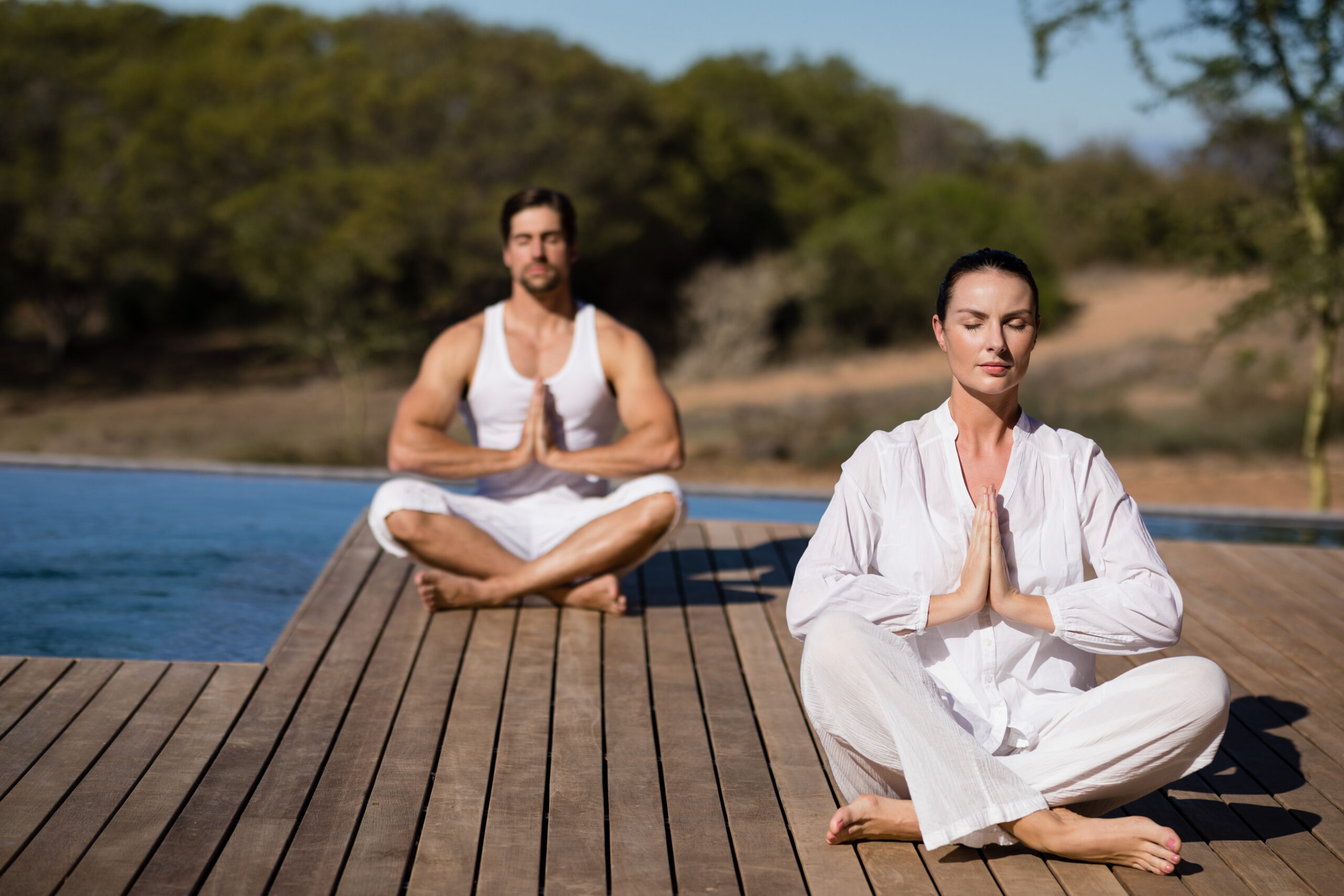
Yoga and meditation retreats for beginners offer a supportive space to learn foundational practices away from daily distractions. Many people feel drawn to these experiences when stress builds or curiosity about mindfulness grows. A well-chosen retreat can introduce gentle movement, breathing techniques, and quiet reflection in a structured yet welcoming environment. Yoga and Meditation Retreats for Beginners guide covers everything you need to know so you can approach your first retreat with confidence and realistic expectations.
Why Beginners Benefit from Structured Retreats
Daily life often leaves little room for consistent practice. A retreat removes that barrier by providing dedicated time, guided instruction, and a community of fellow newcomers. Research and participant reports show that short, focused immersion helps people establish habits more effectively than sporadic home sessions.
Physical benefits appear early. Gentle yoga sequences improve flexibility, balance, and body awareness without demanding advanced poses. Meditation sessions teach simple techniques that calm the nervous system. Many beginners notice better sleep and reduced tension after only a few days. Emotional benefits also emerge. Shared silence and group support create a sense of belonging that eases self-judgment common among newcomers.
The setting itself plays a key role. Nature-based locations, quiet rooms, and limited technology encourage presence. Instructors trained to work with beginners adjust pacing and offer modifications, so no one feels left behind.
How to Choose the Right Retreat
Selecting a suitable program requires clear criteria. Start by deciding on length. Weekend options suit those testing the waters, while five- to seven-day programs allow deeper immersion. Location matters too. Nearby centers reduce travel stress; destinations farther away can enhance the sense of escape.
Look for programs that explicitly welcome beginners. Descriptions should mention introductory classes, modification options, and a non-competitive atmosphere. Review instructor credentials and retreat schedules carefully. Balanced days usually combine morning movement, afternoon rest or workshops, and evening meditation or reflection.
Practical details influence comfort. Check accommodation types, meal options (especially dietary needs), and group size. Smaller groups often receive more personal attention. Read recent participant feedback for honest insights about pace, food quality, and overall supportiveness. Cost should match your budget once you factor in travel and any extras.
Key Features to Prioritize
- Clear beginner-friendly language in the program description
- Experienced teachers who emphasize safety and accessibility
- A daily schedule that includes rest periods
- Transparent cancellation and health policies
These elements help ensure the experience remains positive rather than overwhelming.
What to Expect During Your First Retreat
Arrival usually involves a gentle orientation. Staff explain the schedule, house rules, and available resources. The first session often focuses on basic postures and simple breathing exercises. Instructors demonstrate options for different ability levels so everyone can participate at their own pace.
Days follow a predictable rhythm. Morning sessions typically open with yoga or mindful movement. Midday may include free time, walking, or workshops on topics such as stress reduction. Evening periods often feature guided meditation or journaling. Silence periods appear in many programs; these encourage internal observation without pressure to socialize constantly.
Meals are usually shared and prepared with care. Many retreats emphasize whole foods that support energy and digestion. Conversations during meals can feel light or reflective, depending on the group’s energy. Evenings wind down early to support rest.
Physical sensations may arise. Mild muscle awareness after yoga is common. Emotional responses during meditation also occur for some people. Facilitators remain available to offer guidance when questions or discomfort appear. Most beginners find that any initial awkwardness fades within the first day or two as routines settle.
Practical Preparation Tips
Preparation reduces anxiety and maximizes benefit. Pack comfortable, layered clothing suitable for movement and changing temperatures. Bring a journal, refillable water bottle, and any personal items that support rest, such as a familiar pillow or eye mask. Leave non-essential devices behind or limit their use according to the retreat’s guidelines.
Set simple intentions before arrival. These might include learning one new breathing technique or simply observing without judgment. Avoid packing a long list of goals; the experience itself will shape what unfolds. Inform the organizers of any health conditions or mobility needs in advance so adjustments can be arranged.
Travel logistics deserve attention. Arrive with enough buffer time to settle in without rushing. Confirm transportation options to and from the venue. Once on-site, follow the suggested schedule while allowing yourself flexibility if rest feels necessary.
Common Concerns and How to Address Them
Many beginners worry about flexibility or “doing it wrong.” Teachers expect varied experience levels and focus on individual progress rather than perfection. Others feel uneasy about silence or shared spaces. Most programs ease participants into these elements gradually. If concerns persist, contacting the retreat team beforehand often provides reassurance.
Building Habits After the Retreat
The real value of a retreat often appears in the weeks that follow. Simple daily practices help maintain momentum. Short morning sequences or five-minute breathing exercises fit easily into existing routines. Many centers provide take-home resources or online follow-up options.
Community connections formed during the retreat can continue through local classes or digital groups. Consistency matters more than duration. Even brief, regular sessions reinforce the calm and clarity experienced on retreat. Tracking small improvements in sleep, focus, or mood can motivate ongoing practice.
Frequently Asked Questions
Do I need prior yoga or meditation experience?
No. Programs designed for newcomers assume little or no background and teach foundational skills from the start.
How physically demanding are beginner retreats?
Most emphasize gentle movement and offer modifications. Instructors prioritize safety and individual comfort over intensity.
What if I feel uncomfortable during meditation?
It is normal. Facilitators usually provide guidance and alternative approaches. You can always step outside or rest if needed.
Are these retreats suitable for people with limited flexibility?
Yes. Many sequences include seated or supported options so participants of all mobility levels can join.
How soon will I notice benefits?
Some people feel calmer after the first day. Lasting changes in stress response and focus often develop with continued practice at home.
Conclusion
Yoga and meditation retreats create a focused environment where beginners can learn essential skills without the pressures of everyday life. By choosing a program that matches your comfort level, preparing thoughtfully, and approaching the experience with openness, you set the stage for meaningful personal growth. The combination of guided movement, quiet reflection, and supportive community helps establish practices that continue long after you return home. Start with clear information, realistic expectations, and a willingness to explore at your own pace. The result can be greater ease, clearer focus, and a stronger connection to daily well-being



2 thoughts on “Yoga and Meditation Retreats for Beginners”