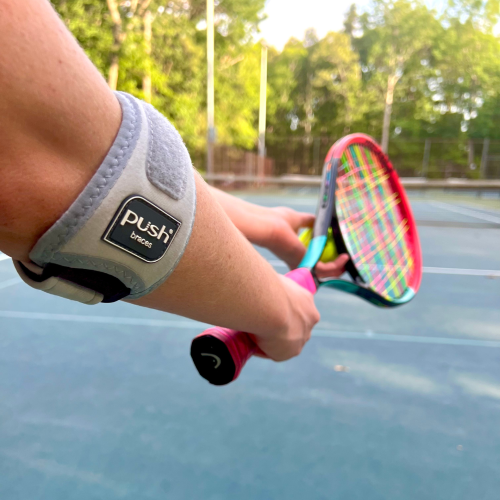
A tennis elbow brace can make a noticeable difference when outer elbow pain interferes with daily tasks or sports. Many people develop lateral epicondhttps from repetitive gripping, wrist extension, or overuse of the forearm muscles. The condition causes tenderness on the outside of the elbow, weaker grip strength, and discomfort that radiates into the forearm. While rest and activity modification form the foundation of recovery, the right support often helps manage symptoms so you can continue necessary movements with less strain.
This guide explains how these braces work, the main types available, correct placement, realistic expectations, and complementary steps that support healing.
Understanding Tennis Elbow and the Role of Support
Tennis elbow develops when the tendons that attach the forearm extensors to the lateral epicondyle become irritated or develop micro-tears. Although the name suggests a sports injury, many cases arise from office work, tool use, gardening, or any activity involving repeated wrist and finger motion. Pain typically worsens with gripping, lifting, or twisting and may linger even at rest in more advanced cases.
Support devices do not heal the tendon on their own. Instead, they reduce the load transmitted through the injured tissue during activity. By applying targeted pressure to the muscle belly of the forearm, a properly fitted brace redistributes force away from the tendon insertion point. This mechanical effect can decrease pain during movement and allow the tissue a better opportunity to recover while you remain functional.
How a Brace Reduces Strain on the Tendon
Counter force designs work on a simple principle. When the forearm muscles contract, the strap creates an external point of resistance. Force is partially absorbed or redirected before it reaches the irritated attachment site at the elbow. Research and clinical experience show that this can lower muscle activity in the wrist extensors and reduce peak tension on the tendon.
The is most useful during provocative activities rather than as continuous all-day wear for every patient. Some individuals experience immediate pain reduction with gripping tests once the brace is correctly positioned. Others notice improved comfort during work or sport. Results vary, and a brace that increases discomfort should be adjusted or discontinued.
Types of Supports Available
Several designs serve different needs.
Counter force Straps
These narrow bands sit on the upper forearm, usually one to two inches below the bony prominence on the outside of the elbow. A pad or raised section applies focused pressure over the muscle. They allow near-full range of motion and suit activity-specific use such as racket sports, lifting, or prolonged typing.
Compression Sleeves
Sleeves cover a larger area of the elbow and forearm. They Tennis Elbow Brace general warmth, mild compression, and contraceptive feedback. Some include additional gel pads or straps. Sleeves often feel more comfortable for longer wear periods or milder symptoms.
Wrist Splints
These devices limit wrist extension and thereby reduce demand on the forearm extensors. Studies suggest wrist immobilization can ease pain effectively, sometimes more quickly in the early weeks, though the restriction may feel limiting for certain tasks.
Choice depends on symptom severity, activity demands, and personal comfort. A healthcare professional can help match the design to your situation, especially if nerve irritation or other conditions are present.
Proper Placement and Fit
Correct positioning determines effectiveness.
- Locate the tender spot on the outer elbow, then move one to two inches down the forearm toward the wrist.
- Place the pressure pad or densest section of the strap over the muscle bulge that appears when you make a fist. Avoid placing pressure directly on the bone.
- Secure the strap snugly enough that you can still slide one finger underneath. It should feel supportive without cutting off circulation or causing numbness.
- Test the fit by gripping an object or simulating the painful motion. Pain should decrease without restricting necessary movement.
Measure forearm circumference just below the elbow when selecting size. Adjust tension as needed during different activities. Over-tightening can compress nerves or restrict blood flow and should be avoided.
When and How Long to Wear Support
Most people benefit from wearing the brace during activities that provoke symptoms—sports, manual work, computer use, or household tasks. Remove it for sleep unless nighttime pain is significant, and take it off for showers or dedicated rehabilitation exercises. Continuous wear for weeks is sometimes recommended in studies of wrist splints, but many clinicians advise activity-specific use of counter force straps to prevent dependence.
If pain increases or new symptoms such as tingling appear, stop using the device and reassess placement or consult a professional.
Complementary Strategies for Better Recovery
A Tennis Elbow Brace works best as part of a broader plan. Relative rest from aggravating movements, ice after activity, and over-the-counter anti-inflammatory measures can calm acute irritation. Physical therapy that includes progressive loading of the tendon, eccentric exercises, and gradual strengthening addresses the underlying capacity deficit. Technique adjustments in sport or ergonomic changes at work reduce future strain. Most cases improve with consistent non-surgical care over weeks to months.
Frequently Asked Questions
How quickly will I feel relief?
Some users notice less pain during gripping almost immediately after correct placement. Broader improvement in daily function usually develops over days to weeks as the tendon begins to settle.
Can I wear the brace all day?
Activity-specific use is generally preferred for counter force straps. Prolonged continuous wear may be appropriate for certain designs under professional guidance, but monitor skin and circulation.
Will a cure tennis elbow brace?
No. It reduces mechanical stress and helps manage symptoms so healing can occur alongside rest, exercise, and load management.
What if the brace makes pain worse?
Remove it. Check placement, loosen the tension, or try a different style. Persistent increase in symptoms warrants professional evaluation.
Are expensive braces better?
Effectiveness depends more on proper fit, pad placement, and consistent use than on price. Look for adjustable straps, comfortable materials, and a design matched to your needs.
Conclusion
Selecting and using support thoughtfully can ease the daily impact of outer elbow pain and support a gradual return to full activity. Focus on correct placement, pair the device with appropriate rest and progressive exercise, and adjust based on your response. Most people recover well without surgery when they address both symptoms and the factors that overloaded the tendon in the first place. Consistent, informed self-management remains the most reliable path forward.