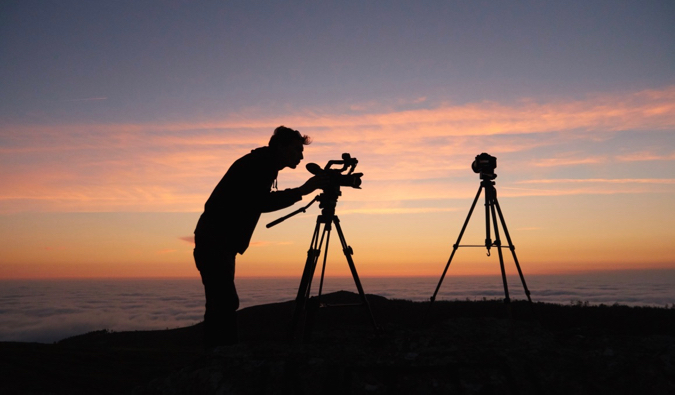
What are some photography techniques that can transform ordinary snapshots into compelling visual stories? Photographers at every level benefit from understanding core principles of composition, lighting, and creative execution. These methods help create images with depth, emotion, and professional polish.
Understanding the Foundations of Photography Techniques
Photography combines technical skill with artistic vision. Beginners often focus on camera settings, while experienced shooters refine subtler elements like timing and perspective. Mastering fundamental techniques builds confidence and opens doors to creative experimentation.
The Importance of Composition in Photography
Composition determines how viewers engage with an image. Strong arrangements guide the eye, create balance, and emphasize the subject. Photographers who apply these rules intentionally produce more impactful work.
Key Composition Techniques Every Photographer Should Know
Several proven approaches help structure photos effectively.
Rule of Thirds: A Timeless Classic
The rule of thirds involves imagining a 3×3 grid over your frame. Place key elements along the lines or at intersection points rather than centering them. This technique creates natural balance and visual interest. Many cameras offer a grid overlay to assist with alignment in real time.
Photographers frequently combine the rule of thirds with other elements for stronger results. For portraits, position eyes along the upper third line. In landscapes, align the horizon with a horizontal line.
Leading Lines to Guide the Viewer
Leading lines draw attention toward the main subject. Roads, fences, rivers, or architectural features serve as natural pathways. These lines add depth and movement, making images more dynamic.
When shooting, look for converging lines that point toward your focal point. This technique works exceptionally well in street, landscape, and architectural photography.
Framing and Negative Space
Use natural or architectural elements to frame your subject. Doorways, windows, tree branches, or arches create a “frame within a frame” effect that adds context and focus. Negative space—the empty areas around the subject—provides breathing room and emphasizes the main element through contrast.
Mastering Light: Essential Photography Techniques
Light shapes mood, texture, and dimension in every photograph.
Golden Hour and Blue Hour Magic
Golden hour occurs shortly after sunrise and before sunset. The warm, soft light enhances colors and creates long, flattering shadows. Blue hour follows sunset, offering cool tones ideal for cityscapes and creative effects.
Photographers plan shoots around these times for superior natural illumination. The quality of light during these periods often reduces the need for heavy post-processing.
Understanding Light Direction and Quality
Front lighting illuminates subjects evenly but can appear flat. Side lighting reveals texture and depth through shadows. Backlighting creates silhouettes or dramatic rim lighting when used creatively.
Diffused light on overcast days produces soft, even illumination perfect for portraits. Harsh midday sun often requires fill flash or reflectors to manage strong contrasts.
Advanced Photography Techniques for Creative Results
Once basics feel natural, explore techniques that add uniqueness.
Bokeh and Depth of Field Control
Bokeh refers to the aesthetic quality of out-of-focus areas. Achieve beautiful bokeh by using wide apertures (low f-numbers) to create shallow depth of field. This isolates subjects against creamy, blurred backgrounds—ideal for portraits and macro work.
Experiment with different lenses and distances to vary the effect. Points of light transform into pleasing circular orbs in the background.
Perspective and Angle Techniques
Change your shooting position to alter the story. Low angles make subjects appear powerful and imposing. High angles can convey vulnerability or provide overview context. Unusual perspectives, such as shooting through foreground elements or from ground level, add freshness to common scenes.
Panning and Motion Blur
Capture movement by tracking a moving subject with a slower shutter speed. This technique blurs the background while keeping the subject relatively sharp, conveying speed and energy. It works beautifully for sports, wildlife, and street photography.
Practical Tips to Improve Your Photography Techniques
- Practice regularly with intentional goals. Challenge yourself to shoot only using one technique per session.
- Study the work of master photographers and analyze their use of light and composition.
- Review your images critically. Identify what works and what could improve.
- Experiment with manual settings to understand exposure relationships (aperture, shutter speed, ISO).
- Use post-processing thoughtfully to enhance rather than rescue images.
Consistent practice helps internalize these methods so they become instinctive.
Equipment Considerations for Applying Photography Techniques
While great gear helps, technique matters more than expensive equipment. Start with a reliable camera and lens suited to your style. Prime lenses often encourage better composition due to fixed focal lengths. Tripods support slower shutter speeds for low-light and creative long-exposure work.
Smartphones with advanced camera apps also allow exploration of many techniques through manual controls and editing features.
Common Mistakes to Avoid
Beginners sometimes center every subject or ignore background clutter. Over-relying on rules without considering the scene’s unique qualities can produce stiff images. Always prioritize the story or emotion you want to convey.
Harsh lighting conditions or incorrect white balance can undermine otherwise strong compositions. Learn to read light and adjust accordingly.
FAQs About Photography Techniques
What are some photography techniques suitable for complete beginners?
Start with the rule of thirds, paying attention to lighting direction, and keeping backgrounds clean. Practice these consistently before advancing to more complex methods.
How can I improve my composition quickly?
Use your camera’s grid overlay for the rule of thirds. Shoot multiple versions of the same scene with different arrangements and compare results.
Do I need professional equipment to use advanced photography techniques?
No. Many techniques rely primarily on observation, positioning, and timing rather than high-end gear. Creativity and practice drive better results than expensive tools.
What are some photography techniques for capturing motion?
Try panning with slower shutter speeds, freezing action with fast shutters, or intentional blur for artistic effects. Each approach tells a different story about movement.
How important is post-processing in modern photography techniques?
Post-processing enhances images but should support strong capture techniques rather than replace them. Basic adjustments for exposure, contrast, and cropping often suffice.
Conclusion
Mastering some photography techniques opens endless creative possibilities. From foundational composition rules like the rule of thirds and leading lines to sophisticated play with light and motion, these methods empower photographers to create meaningful, visually striking images. Dedicate time to practice, study light, and experiment boldly. Your unique vision combined with solid technical skills will produce photographs that resonate with viewers and reflect your artistic growth. Grab your camera and start applying these techniques today—the results will inspire continued improvement.



One thought on “What Are Some Photography Techniques? Master the Art of Capturing Stunning Images”