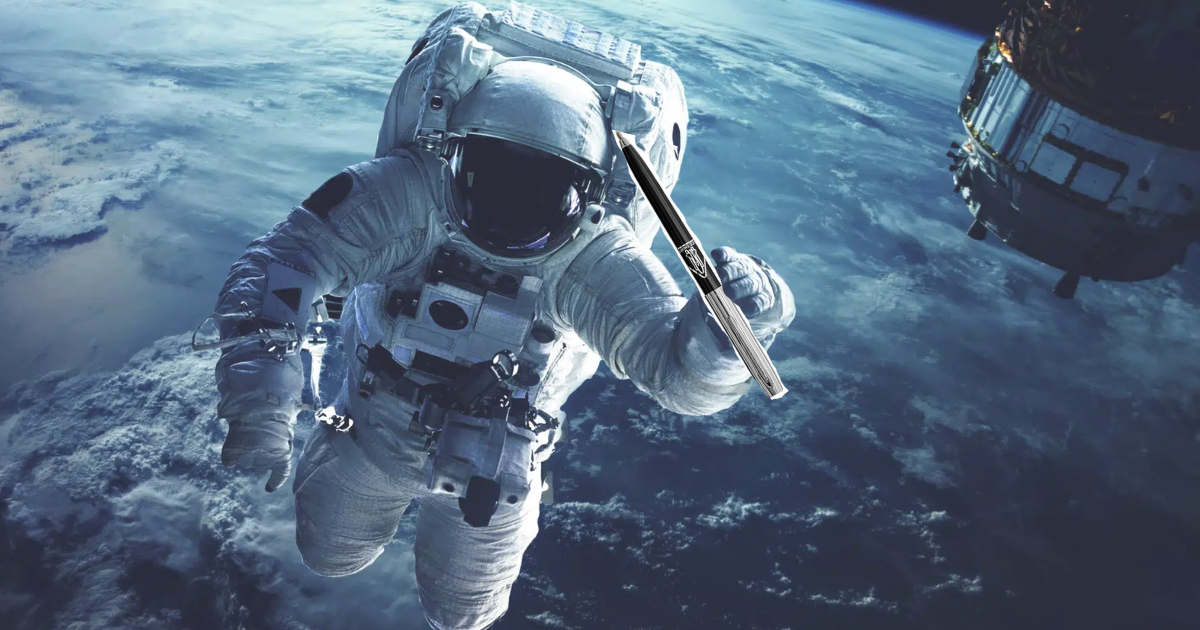
The Fisher Space Pen stands out as a legendary writing instrument that performs reliably in the most challenging environments. Developed with advanced pressurized ink technology, this pen writes upside down, underwater, over grease, and in extreme temperatures, making it essential for astronauts, adventurers, and everyday users alike.
It blends innovative engineering with practical durability. Whether you need a compact everyday carry option or a robust tool for professional tasks, these pens deliver consistent performance where ordinary ballpoints fail.
The Fascinating History of the Fisher Space Pen
Paul C. Fisher developed the Fisher Space Pen in the 1960s using private funding. He created a thixotropic ink that remains viscous until pressure forces it through the tip. NASA tested and adopted the pen for Apollo missions after initial reliance on pencils proved risky in zero gravity due to floating debris and flammability concerns.
The pen first flew on Apollo 7 in 1968 and has since accompanied every NASA manned mission. Soviet cosmonauts also adopted it later. Contrary to popular myths, NASA did not spend millions developing it; Fisher invested his own resources, and the agency purchased units at a reasonable cost.
Today, Fisher Space Pens continue service on the International Space Station, proving their enduring reliability.
How the Fisher Space Pen Technology Works
The secret lies in its pressurized cartridge system. Compressed nitrogen at about 45 psi pushes the ink forward, enabling writing at any angle, including upside down. A tungsten carbide ball tip and floating piston separate the ink from the gas, preventing leaks and ensuring smooth flow.
Key performance specs include:
- Temperature range: -30°F to +250°F (-34°C to +121°C)
- Writes underwater, on wet or greasy surfaces
- Shelf life up to 100 years
- Writes three times longer than standard ballpoints (up to 30+ miles for some models)
This technology makes the Fisher Space Pen ideal for outdoor activities, emergency kits, and professional use in harsh conditions. Users rely on the Fisher Space Pen during expeditions because it never skips or fails when needed. Adventurers pack it for hiking, diving, or survival scenarios. Professionals choose it for fieldwork where conditions vary unpredictably.
Popular Models of the Fisher Space Pen
Fisher offers several iconic designs tailored to different preferences.
The Bullet Space Pen
This compact model fits easily in pockets when capped. Posting the cap extends it to full writing length. Available in finishes like chrome, matte black, brass, and titanium nitride, the Bullet appeals to everyday carry enthusiasts.
The Astronaut (AG7) Series
The original long, retractable design mirrors the pens used in space. Models like the Shuttle feature stylish patterns and reliable click mechanisms, suiting extended writing sessions in meetings or travel.
Other options include Cap-O-Matic and specialty editions with colored inks or custom engravings.
Practical Uses and Benefits
The Fisher Space Pen excels in diverse scenarios. Outdoor enthusiasts appreciate its performance on damp paper or during cold-weather activities. Military and law enforcement personnel value its durability. Travelers love the compact Bullet for its space-saving design.
Secondary benefits include compatibility with Parker-style refills via adapters, allowing use in other pens. Refills come in fine and medium points, with options for black, blue, and even colored inks.
Pros and Cons
Pros:
- Exceptional versatility in extreme conditions
- Long-lasting ink
- Durable construction (many models made in the USA)
- Compact options for EDC
- Reliable across surfaces
Cons:
- Ballpoint feel may not suit fountain pen enthusiasts
- Refills cost more than standard ones
- Some finishes show wear over time
Overall, advantages far outweigh minor drawbacks for most users.
Fisher Space Pen vs. Ordinary Ballpoints
Standard pens fail in zero gravity, extreme heat or cold, or when writing at awkward angles. The Fisher Space Pen overcomes these limitations through pressurized technology. Users report smoother, skip-free writing on challenging surfaces like Expedition notebooks or greasy workshop materials.
Caring for Your Fisher Space Pen
Store the pen with the tip up if unused for long periods to prevent minor crusting. A quick scribble restores flow instantly. Replace refills as needed—Fisher provides various options, including those compatible with other brands.
Why Choose the Fisher Space Pen Today
Modern users select the Fisher Space Pen for its blend of heritage, innovation, and practicality. It serves as a reliable tool for journaling, signing important documents, or tackling adventures. Its NASA legacy adds a sense of prestige and trustworthiness.
Secondary keywords like “zero gravity pen,” “pressurized ballpoint,” “EDC pen,” and “astronaut pen” highlight its broad appeal for survival gear, gift-giving, and professional supplies.
Real-World Testimonials
Enthusiasts praise its performance in travel, outdoor sports, and daily note-taking. Many carry it as a dependable backup that always works.
FAQs
Q1: Does the Fisher Space Pen really write in space?
Yes, NASA has used it on Apollo missions and the ISS since 1968.
Q2: Can it write underwater?
Absolutely. The pressurized system allows writing underwater and on wet surfaces.
Q3: How long does the ink last?
Refills typically write over 12,000 feet, with premium models claiming much longer life.
Q4: Are Fisher Space Pens made in the USA?
Yes, they are manufactured in Boulder City, Nevada.
Q5: What makes it different from regular pens?
Pressurized thixotropic ink and sealed cartridges enable performance in extreme conditions where others fail.
Conclusion
The Fisher Space Pen represents more than a writing tool—it embodies human ingenuity and reliability. From space exploration to daily adventures, this pen delivers when others cannot. Invest in one today and experience the difference a truly versatile instrument makes. Whether you choose the compact Bullet or the classic Astronaut, the Fisher Space Pen earns its place in every pocket or kit.