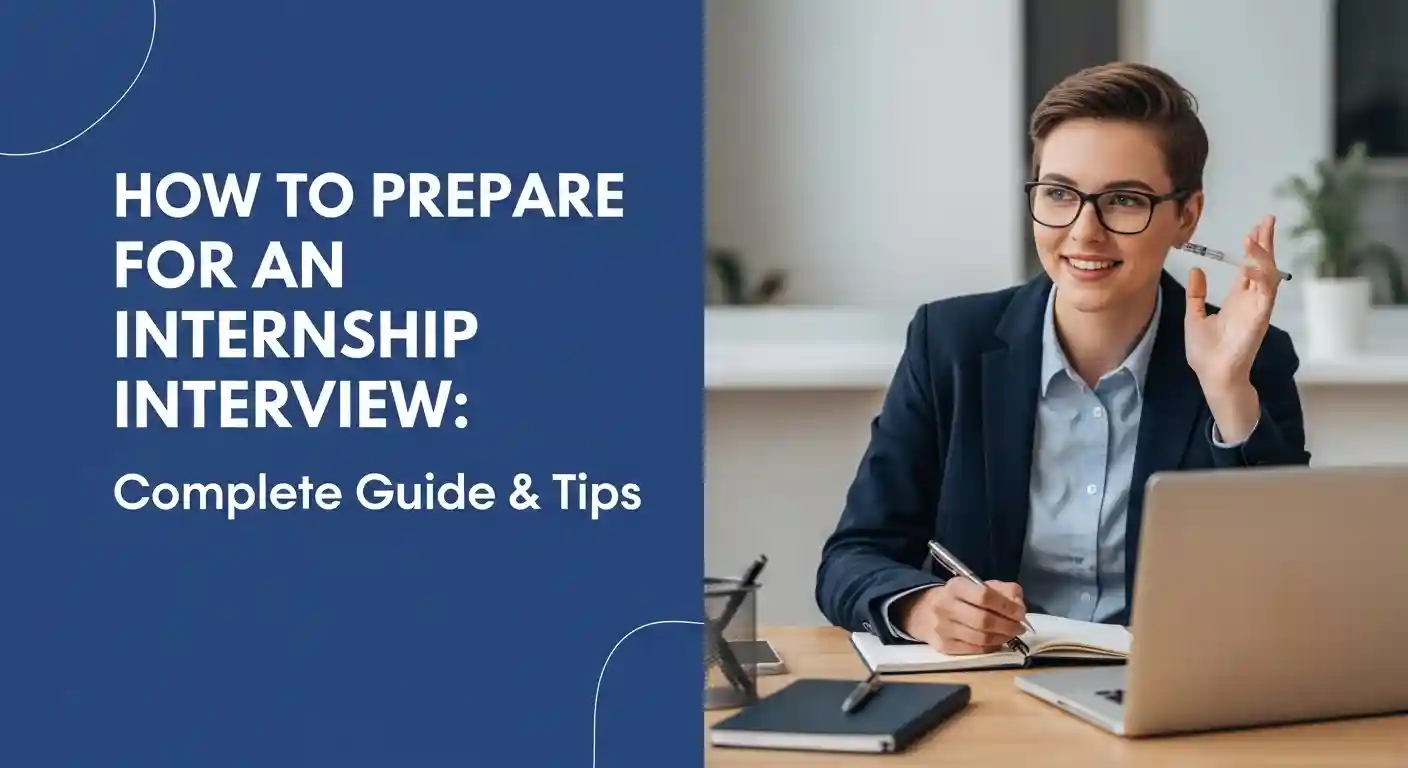
Landing an internship is one of the most important steps a student can take toward building a career. Interviews for these roles can feel intimidating, especially if you have limited professional experience. The good news is that strong preparation and a clear strategy can help you stand out.Intership interview tips for students following practical tips focus on what hiring managers actually look for and how students can demonstrate readiness, enthusiasm, and potential.
Understand What Employers Want from Intern Candidates
Companies hire interns to bring fresh energy, learn quickly, and contribute to real projects. They are not expecting decades of experience. Instead, they evaluate curiosity, communication skills, problem-solving ability, and cultural fit. Students who treat the interview as a conversation rather than an interrogation tend to perform better. Internship interview tips for students Show that you are coachable, reliable, and genuinely interested in the work the team does.
Research the organization thoroughly before the interview. Visit the company website, read recent news, and review the job description carefully. Identify two or three specific projects, products, or values that excite you. Being able to reference these details shows initiative and helps you answer questions with concrete examples instead of generic statements.
Prepare Your Stories and Evidence
Most internship interviews include behavioral questions. These often begin with phrases such as “Tell me about a time when…” or “Describe a situation where…” Prepare three to five short stories drawn from class projects, part-time jobs, volunteer work, club leadership, or personal challenges. Use the STAR method—Situation, Task, Action, Result—to keep each story focused and measurable.
Practice aloud. Record yourself or rehearse with a friend. internship interview tips for students Pay attention to clarity, pacing, and filler words. Students who can explain technical projects in simple language often impress interviewers more than those who rely on jargon. If the role involves specific tools or skills listed in the posting, refresh your knowledge and prepare to discuss how you have used or learned them.
Review your resume line by line. Be ready to expand on every bullet point. If a project involved teamwork, be prepared to describe your individual contribution and how you handled disagreements. Honesty matters—exaggeration is easy to detect and damages trust.
Master Common Interview Formats
Internship interviews may take place virtually, in person, or as a mix of both. For video interviews, test your camera, microphone, and internet connection in advance. internship interview tips for students Choose a quiet, well-lit space with a neutral background. Dress as you would for an in-person meeting—professional attire signals seriousness even when you are at home.
Some companies use group interviews or case-style questions. In group settings, listen actively, build on others’ ideas, and avoid dominating the conversation. For case questions, talk through your reasoning step by step rather than jumping straight to an answer. Interviewers often care more about your thought process than a perfect solution.
Technical or skills-based interviews require extra preparation. If coding is involved, practice common problems on platforms that allow timed challenges. If the role is in marketing, finance, design, or another field, review relevant concepts and prepare a portfolio or sample work if appropriate. Always ask clarifying questions when a prompt is unclear—this demonstrates thoughtful engagement.
Communicate Confidence and Curiosity During the Interview
Arrive early or log in a few minutes ahead of schedule. Greet everyone politely and maintain positive body language—sit upright, make appropriate eye contact, and smile when it feels natural. Speak clearly and at a measured pace. If you need a moment to think, it is acceptable to pause briefly rather than fill silence with nervous chatter.
When answering questions, be concise yet complete. Aim for answers that last about one to two minutes unless the interviewer asks for more detail. If you do not know something, admit it and explain how you would find the answer or learn the skill. This shows maturity and a growth mindset.
Prepare thoughtful questions of your own. Ask about the day-to-day responsibilities of the role, the team’s current priorities, mentorship opportunities, or what success looks like for an intern. Avoid questions focused solely on salary, remote work policies, or vacation time in the first interview unless the interviewer raises them. Good questions turn the conversation into a two-way exchange and leave a lasting positive impression.
Handle Nerves and Unexpected Situations
Almost every candidate feels nervous. Channel that energy into preparation rather than letting it overwhelm you. Practice deep breathing before the interview begins. Remember that the interviewer wants you to succeed—they are looking for someone they can work with, not someone to eliminate.
If you blank on a question, it is better to ask for a moment or rephrase the question to buy time than to force an incomplete answer. Technical glitches during virtual interviews happen. Stay calm, communicate the issue, and propose a quick solution such as switching to a phone call if needed. How you recover often matters more than the disruption itself.
Follow Up Effectively After the Interview
Send a brief thank-you email within 24 hours. Reference a specific part of the conversation to show you were engaged. Keep the message short, professional, and free of errors. If you discussed a particular skill or project, you may include a relevant link or clarification, but avoid repeating your entire pitch.
If you do not hear back within the timeline the interviewer provided, a polite follow-up after one to two weeks is appropriate. Express continued interest and ask whether any additional information is needed. Persistence without pressure demonstrates professionalism.
Build Long-Term Habits That Support Interview Success
Treat every interview as practice. After each one, note what went well and what you would improve. Over time you will develop clearer stories, stronger answers, and greater ease under pressure. Seek feedback from career centers, professors, or mentors who can run mock interviews with you.
Network thoughtfully. Attend career fairs, information sessions, and alumni events. Conversations outside formal interviews often lead to referrals or insider advice that strengthens your preparation. Keep your LinkedIn profile updated and consistent with your resume so recruiters can easily verify your background.
Final Thoughts on Standing Out as a Student Candidate
Internship interviews reward preparation, authenticity, and a willingness to learn. Focus on showing how your academic experiences, extracurricular involvement, and personal qualities translate into value for the team. Demonstrate that you understand the company’s work, can communicate clearly, and are ready to contribute from day one while growing along the way