Cold brew concentrate has become a staple for coffee lovers who want smooth, low-acid coffee ready whenever they need it. Unlike regular hot-brewed coffee, cold brew extracts flavors slowly in cold water, resulting in a naturally sweeter, less bitter drink. Making a concentrate takes this further by creating a strong base you dilute to taste. This method saves time, fridge space, and money compared to buying bottled versions or brewing a full batch every day.
With the right ratio, grind size, and steeping time, anyone can produce café-quality cold brew concentrate using basic kitchen tools. The process is forgiving once you understand a few key principles drawn from consistent home testing and widely accepted brewing standards.
What Makes Cold Brew Concentrate Different
Cold brew concentrate uses a higher coffee-to-water ratio than ready-to-drink cold brew. Typical ready-to-drink versions sit around 1:12 to 1:15 by weight. Concentrate usually falls between 1:4 and 1:5. This stronger liquid stores compactly and lets you adjust strength glass by glass with water, milk, or alternatives.
The cold extraction process pulls fewer acidic compounds and bitter oils than hot brewing. The result is a smooth, chocolatey, or fruity profile depending on the beans. Medium to medium-dark roasts often shine here because they deliver balanced sweetness without excessive roast bitterness.
Essential Equipment and Ingredients
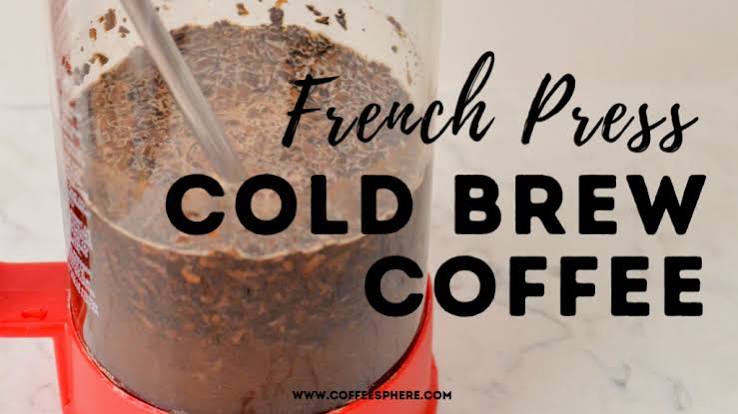
You need very little specialized gear. A large glass jar or pitcher (at least 1 liter capacity), a kitchen scale for accuracy, a burr grinder if grinding at home, a fine-mesh strainer, paper coffee filters or cheesecloth, and an airtight storage bottle cover the basics. A French press works well too because of its built-in plunger filter.
Choose freshly roasted whole beans when possible. Coarse grind is non-negotiable—think sea salt or raw sugar texture. Finer grinds over-extract during the long steep and create a silty, bitter concentrate that is hard to filter cleanly. Filtered water makes a noticeable difference; chlorinated or heavily mineralized tap water can dull the final flavor.
The Ideal Coffee-to-Water Ratio
Most home brewers achieve excellent results with a 1:5 ratio by weight—one part coffee to five parts water. For a practical batch, use 100 grams of coarsely ground coffee with 500 grams (or milliliters) of cold water. This produces roughly 400–450 ml of concentrate after the grounds absorb some liquid, enough for 8–10 diluted servings.
A slightly stronger 1:4 ratio (100 g coffee to 400 g water) works well if you prefer more flexibility for milk-based drinks or cocktails. Start with 1:5, taste after dilution, and adjust future batches. Volume measurements (cups) introduce inconsistency because grind density varies, so weighing is the more reliable approach.
Step-by-Step Method for Perfect Concentrate
Begin by grinding the beans on the coarsest setting. Place the grounds in your jar or pitcher. Pour the measured cold or room-temperature water over them. Stir thoroughly for 20–30 seconds so every particle is fully saturated. Dry pockets lead to uneven extraction.
Cover the container. Steep in the refrigerator for 16–20 hours. Some prefer 12–16 hours at room temperature for a slightly brighter profile, but refrigeration keeps the process cleaner and more controlled. Avoid going much past 24 hours, as over-extraction introduces woody or astringent notes.
After steeping, strain the mixture. First pour through a fine-mesh strainer to remove the bulk of the grounds. Then filter again through a paper coffee filter or double layer of cheesecloth into a clean container. Do not press or squeeze the grounds hard—this forces out fine particles and bitter compounds. A second filtration yields clearer, smoother concentrate.
Transfer the finished liquid into a clean airtight glass bottle or jar. Let it chill fully before using.
How to Dilute and Serve Cold Brew Concentrate
The concentrate is not meant to be drunk straight. A standard starting point is equal parts concentrate and water or milk (1:1). For a stronger cup, try 2:1 concentrate to liquid. For a lighter drink, reverse it. Pour over ice, add a splash of cream or alternative milk, or experiment with simple syrups and spices.
Cold brew concentrate also works in coffee cocktails, iced lattes, or even as a base for coffee ice cubes that keep drinks strong as they melt. Because the extraction is already complete, you can gently warm diluted concentrate if you prefer a hot cup without the bitterness of traditional hot brewing.
Proper Storage for Maximum Freshness
Store the undiluted concentrate in an airtight glass container in the refrigerator. It typically stays at peak quality for 7–10 days and remains usable up to 14 days when well filtered and sealed. Keep it toward the back of the fridge rather than the door to minimize temperature swings and light exposure.
Never dilute the entire batch at once. Diluting introduces extra oxygen and shortens shelf life. Once mixed with milk or cream, consume within a day or two. Signs the concentrate has declined include a sour or musty smell, unusual cloudiness, or a flat, papery taste. When in doubt, discard it.
Tips for Consistent, High-Quality Results
Freshness of the beans matters more than most people realize. Aim to use coffee roasted within the past two to four weeks. Experiment with single-origin beans to highlight fruit or chocolate notes, or stick with a reliable blend for everyday drinking.
Always filter thoroughly. Residual fines create sediment and can make the concentrate turn bitter faster in storage. Clean equipment carefully between batches to avoid off flavors.
If the finished concentrate tastes weak after proper dilution, increase the coffee slightly next time rather than extending the steep. If it tastes harsh, coarsen the grind or shorten the time by a couple of hours.



One thought on “How to Make Cold Brew Concentrate at Home Easily”