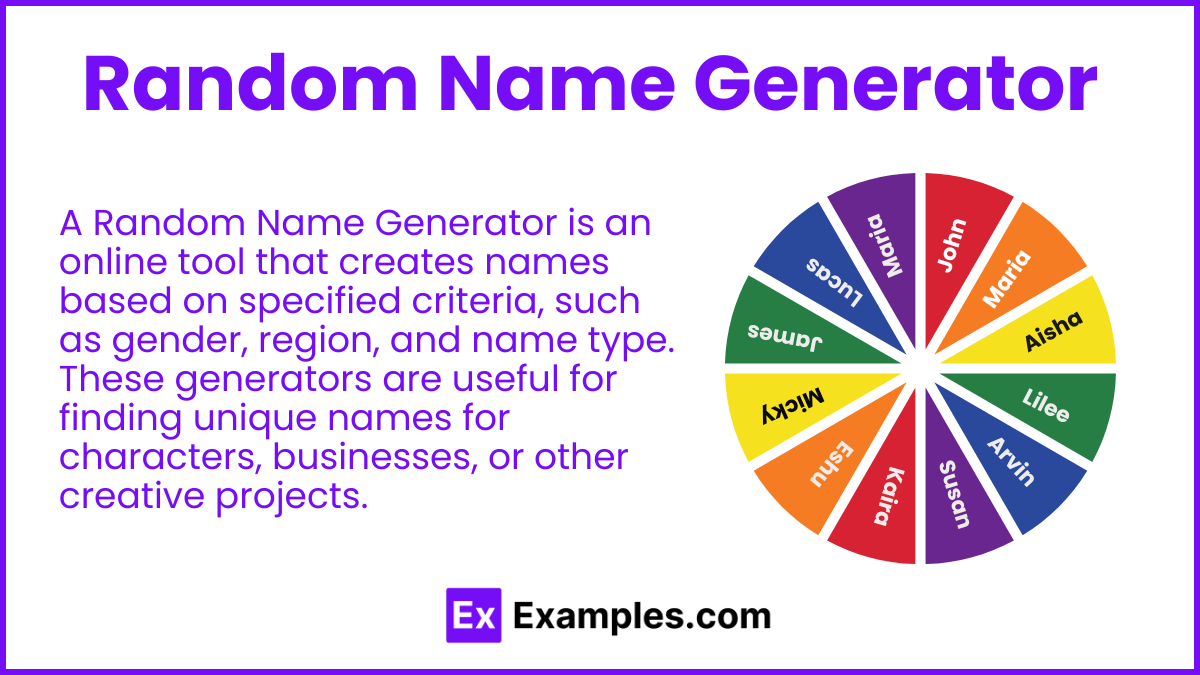
Finding the perfect name can feel surprisingly difficult. Whether you need a character for a novel, a username for a new account, a baby name idea, or a brand name that stands out, staring at a blank page rarely helps. This is where a random name generator becomes a practical and creative tool. These generators produce names on demand by combining linguistic patterns, cultural data, and randomization algorithms, giving users fresh options in seconds.
A random name generator is a digital tool that creates names according to rules or datasets you select. Some focus on realistic first and last names drawn from census records or global databases. Others specialize in fantasy names, sci-fi handles, business names, or usernames that sound modern and available. The best ones let you filter by gender, origin, length, syllable count, or style so the results feel relevant rather than purely random.
How Random Name Generators Actually Work
Most generators rely on a combination of curated name lists and procedural generation. Real-name tools pull from large databases of common and uncommon given names and surnames, then shuffle combinations while applying filters for cultural consistency or popularity ranking. Fantasy and creative generators often use syllable libraries or Markov-chain style models that learn common letter patterns from existing fantasy literature and then produce new combinations that still sound plausible.
Advanced tools add layers of control. Users can specify starting letters, exclude certain sounds, or request names that evoke particular moods—strong, elegant, mysterious, or playful. Some platforms incorporate AI language models trained on vast text corpora, allowing them to generate context-aware suggestions such as “a name for a stoic warrior from a northern climate” rather than pure lists. The underlying principle remains the same: controlled randomness plus structured data produces usable results faster than pure brainstorming.
Practical Ways People Use Random Name Generators
Writers and world-builders turn to these tools constantly. Creating an entire cast of characters with culturally consistent yet distinctive names is time-consuming. A generator quickly supplies dozens of options that can then be refined. Many authors use the results as starting points, adjusting spelling or combining elements until the name feels right for the character’s background and personality.
Gamers and tabletop role-players rely on them for player characters, NPCs, and even location names. In large multiplayer games or campaign settings, uniqueness matters. A well-chosen generator helps avoid the overused “Darkblade” or “Shadowfang” while still delivering names that fit the genre’s tone.
Parents exploring baby names often start with generators that filter by origin, meaning, or popularity trends. Seeing unexpected combinations can spark ideas that pure lists of the top 100 names never would. The same principle applies to pet names, team names, and project codenames.
Entrepreneurs and marketers use specialized generators for brand and product names. These tools frequently check domain availability or trademark conflicts in real time, turning a creative exercise into a practical business step. Username generators serve a similar function for social media, gaming platforms, and professional profiles where the ideal handle may already be taken.
Key Benefits Beyond Simple Convenience
Speed is the most obvious advantage. What might take an hour of mental searching can be reduced to minutes of selection and refinement. Randomness also fights creative blocks. When every familiar name feels overused, unexpected combinations reopen possibilities.
Good generators improve consistency. Selecting a cultural or linguistic filter helps maintain internal logic across a story, game world, or brand family. They also expand vocabulary. Users encounter names from languages and traditions they might not have considered, which can lead to richer, more inclusive choices.
For SEO and content creators, generating varied name examples can support articles, product pages, or social posts without repetitive phrasing. The tool itself becomes part of the creative workflow rather than a last resort.
How to Get Better Results from Any Generator
Start with clear parameters. Decide whether you need realistic names, fantasy constructions, short and punchy options, or longer elegant ones. Narrowing the filters early reduces noise.
Generate in batches and review critically. The first twenty results are rarely the best. Look for rhythm, ease of pronunciation, and distinctiveness. Say the names out loud. A name that looks good on screen may feel awkward when spoken.
Combine and edit. Treat generator output as raw material. Merge two appealing names, change a vowel, or add a cultural suffix. The most memorable names often result from human judgment applied to machine suggestions.
Cross-check practicality. For real-world uses such as business names or usernames, verify domain availability, social handle status, and potential trademark issues. For character names, ensure the choice does not accidentally carry unwanted meanings in other languages.
Choosing a Reliable Random Name Generator
Not every tool is equal. Look for generators that offer meaningful filters, transparent data sources when claiming cultural authenticity, and clean interfaces free of excessive ads. Tools that update their databases regularly stay relevant as naming trends shift. Privacy-conscious options that do not require accounts or collect unnecessary data are preferable for casual use.
Some platforms specialize. Literary-focused generators emphasize narrative fit. Gaming tools lean toward dramatic or mythic tones. Business-oriented ones integrate availability checks. Matching the tool to the specific need produces better outcomes than forcing a generic generator into every role.
Limitations and Sensible Workarounds
Randomness can produce awkward or unintentionally humorous results. Cultural sensitivity is another consideration. Generators trained on limited datasets may underrepresent certain naming traditions or oversimplify them. The solution is active curation: treat the tool as a collaborator rather than an authority. Research the cultural context of any name you seriously consider, especially for characters or brands meant to represent real communities.
Over-reliance can also flatten creativity. The strongest names often carry personal or narrative meaning that pure randomization cannot supply. Use the generator to break inertia, then invest time in refining the shortlist


One thought on “Random Name Generator: Create Unique Names Instantly”