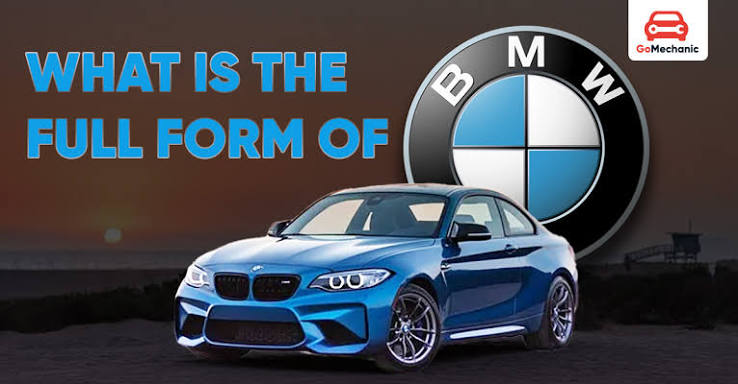
What does BMW stand for? The answer is Bayerische Motoren Werke. In English, this name translates directly to Bavarian Motor Works. The words highlight the company’s deep roots in the German state of Bavaria and its original focus on building engines. Today people around the world link those three letters with premium cars, motorcycles, and strong driving dynamics. Yet the original meaning remains simple and practical.
How the BMW Name First Appeared
The story begins with two aviation companies in Munich. In 1913, Karl Rapp founded Rapp Motorenwerke and started producing aircraft engines. Around the same period, Gustav Otto ran Flugmaschinenfabrik, which focused on aircraft construction. In 1916, the government asked Otto’s firm to reorganize, and the company became Bayerische Flugzeugwerke AG, or BFW. One year later, in 1917, the directors of Rapp Motorenwerke changed the company name to Bayerische Motoren Werke GmbH. At that moment the BMW name entered official use.
After World War I ended, the Treaty of Versailles restricted German aircraft-engine production. As a result, BMW shifted its attention to other products such as railway brakes and motorcycle engines. In 1922, financier Camillo Castiglioni transferred the BMW name, logo, engine operations, and workforce to BFW. From that point forward, the company that grew into today’s BMW AG has carried the Bayerische Motoren Werke name. The company itself marks 7 March 1916—the founding date of BFW—as its official birthday.
The choice of the word “Bayerische” was deliberate. At the time, regional identity in the former Kingdom of Bavaria remained strong. By placing the company in Munich and emphasizing its Bavarian character, the founders created a clear local identity. Meanwhile, “Motoren Werke” simply described the core business of building engines for many different uses. Anyone who still wonders what does BMW stand for can find the answer in this clear historical record.
From Aircraft Engines to Motorcycles and Cars
BMW’s first major product was the BMW IIIa aircraft engine. Engineers designed it for strong high-altitude performance, and pilots quickly recognized its quality. Once aircraft work became limited, the company turned to motorcycles. In 1923 it introduced the R 32. This model featured a distinctive boxer twin-cylinder engine layout that later became a signature of BMW Motorrad.
The first BMW-branded automobile arrived in 1928. That year the company acquired Fahrzeugfabrik Eisenach, which had been building Austin Seven cars under license and selling them as the Dixi. BMW improved the design and soon began developing its own models. By the early 1930s the distinctive twin-kidney grille appeared on the cars. Designers kept refining this element, and it remains instantly recognizable on modern BMWs.
Over the following decades the brand expanded into sports sedans, coupés, SUVs, and later electrified models under the BMW i sub-brand. In addition, the company acquired MINI and Rolls-Royce Motor Cars. Together these brands form the broader BMW Group that operates around the world today.
The BMW Logo and Common Misconceptions
The circular blue-and-white logo dates back to 1917. Its alternating blue and white quarters mirror the colors of the Bavarian flag. A popular myth claims the design shows a spinning aircraft propeller against a blue sky. While the visual association feels natural given the company’s aviation beginnings, BMW’s own historical records confirm a different origin. The logo simply references the Bavarian state colors. The propeller story developed later as an appealing marketing narrative.
Designers have refined the logo over time, including a cleaner and more minimalist update in recent years. Nevertheless, the core blue-and-white quartered circle and the bold BMW lettering remain constant. Consequently, the emblem ranks among the most recognized automotive symbols in the world.
Nicknames and Everyday Language
In everyday conversation, people often call BMW cars “Bimmers.” The term “Beemer” (or “Beamer”) more commonly refers to BMW motorcycles, although usage varies by region and speaker. These informal names sit comfortably alongside the formal corporate title. In the United States, the long-running advertising slogan “The Ultimate Driving Machine” further shaped public perception of the brand.
Many drivers still ask the same basic question: what does BMW stand for? Knowing the full German phrase helps explain why the brand feels both modern and deeply rooted in tradition.
Why the Original Meaning Still Matters
The full form of BMW—Bayerische Motoren Werke—continues to describe the company accurately even after more than a century of growth. The focus on engineering excellence, the lasting connection to Bavaria, and the steady evolution from engines to complete vehicles all trace back to those early decisions in Munich. Understanding the complete meaning therefore adds useful context to every product the brand creates, from classic motorcycles and the first Dixi-based cars through today’s performance models and electric vehicles.
In short, what does BMW stand for beyond the letters themselves? It stands for a Bavarian enterprise dedicated to building motors and, later, the machines those motors power. That clarity has endured for more than one hundred years and continues to define one of the most distinctive names in the automotive world.