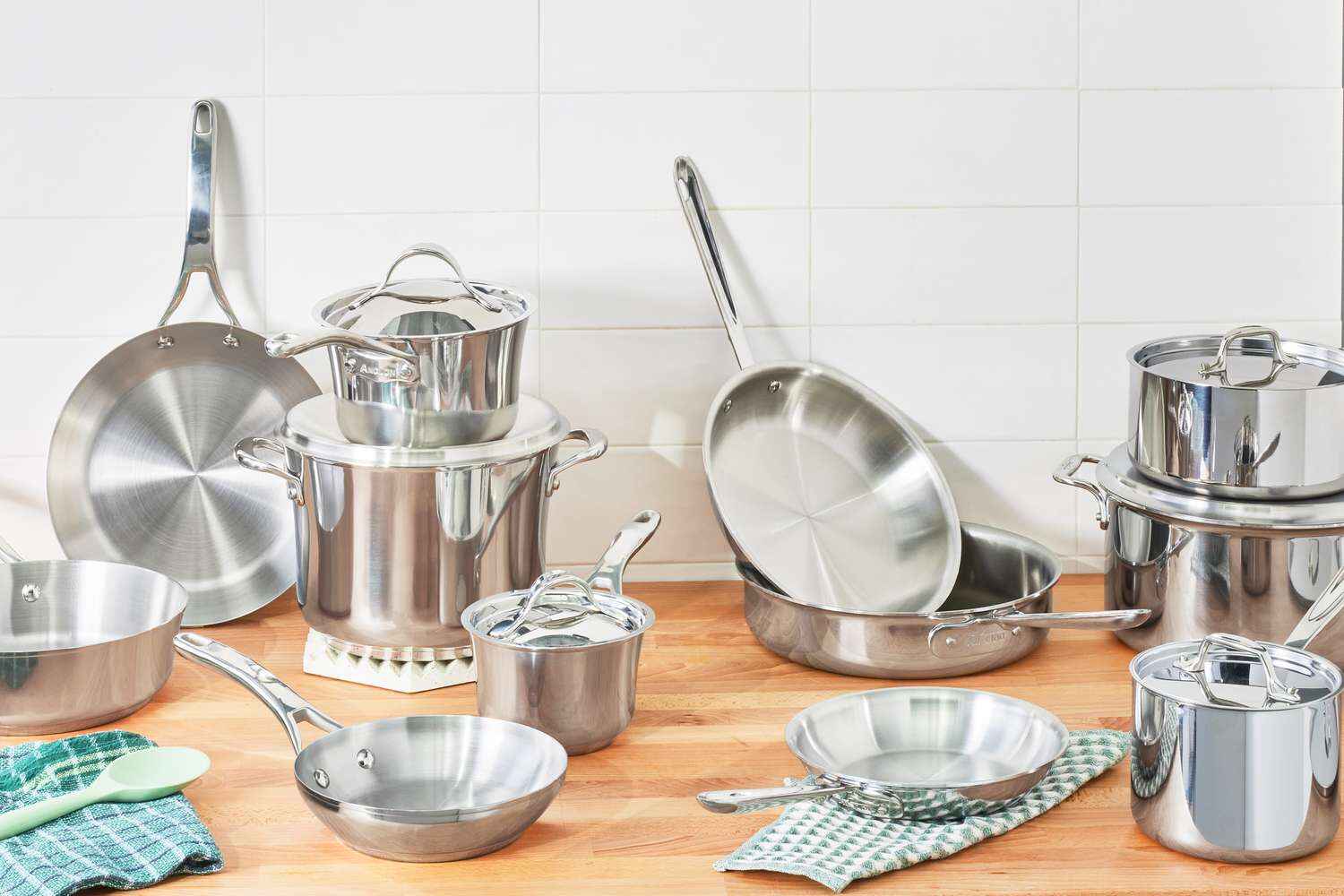
Stainless steel cooking utensils have become a staple in both home and professional kitchens for good reason. These tools combine strength, hygiene, and longevity in a way few other materials can match. From spatulas and tongs to ladles and slotted spoons, stainless steel options deliver reliable performance day after day without the drawbacks of plastic, wood, or coated alternatives.
Why Stainless Steel Stands Out in the Kitchen
Stainless steel is an alloy primarily made of iron, chromium, and often nickel. The chromium creates a passive oxide layer that protects against rust and corrosion. Higher-quality utensils typically use 18/10 or 304-grade stainless steel, which contains about 18 percent chromium and 8 to 10 percent nickel. This composition gives the metal its characteristic shine, resistance to staining, and ability to withstand high heat without warping or degrading.
One of the strongest advantages is durability. Stainless steel utensils resist bending, cracking, and melting even when used over high heat or for heavy stirring tasks. Unlike silicone that can degrade over time or nylon that softens near hot pans, stainless steel maintains its shape and integrity for years. Many cooks report using the same set for a decade or more with only basic care.
The material is also non-reactive. It does not interact with acidic ingredients such as tomatoes, citrus, or vinegar, so flavors stay pure and no unwanted metallic taste transfers to food. This makes stainless steel utensils safe for preparing a wide range of dishes without the concerns sometimes associated with lower-quality metals.
Hygiene ranks high as well. The smooth, non-porous surface resists bacterial growth more effectively than wood or porous plastics. Most stainless steel utensils are dishwasher-safe, though hand washing helps preserve their finish longer. They clean easily with warm water and mild soap, and stubborn residue responds well to a soft sponge or a paste of baking soda.
Common Types of Stainless Steel Cooking Utensils
A well-rounded kitchen benefits from several key pieces. Solid and slotted spoons handle stirring, serving, and draining liquids. Spatulas come in flat and offset styles for flipping eggs, pancakes, or fish fillets. Tongs provide precise control when turning meats or tossing salads. Ladles scoop soups and sauces cleanly, while whisks incorporate air into batters and dressings.
Many sets also include specialized tools such as pasta servers, skimmers, and turners with perforated designs that allow excess oil or water to drain. Handles often feature ergonomic shapes or silicone grips for comfort during extended use. Some premium versions add hanging loops or counter stands for convenient storage.
Choosing the Right Stainless Steel Utensils
Not all stainless steel is equal. Look for clear labeling of the grade—18/10 or 304 is preferable for everyday use because of superior corrosion resistance. Avoid unlabeled or suspiciously cheap sets that may use lower grades prone to pitting or dulling.
Weight and balance matter. Heavier utensils feel more substantial and transfer force efficiently, yet they should not feel cumbersome. Check the join between handle and head; seamless construction or solid rivets reduce weak points where food can collect. For induction-compatible cookware or high-heat searing, ensure the utensils themselves tolerate oven temperatures if needed for certain recipes.
Consider the full set versus individual pieces. Starter kits often include the essentials at a better value, while building a collection over time allows focus on frequently used tools. Read product specifications for dishwasher safety and any heat-resistance ratings. User reviews that mention long-term performance offer practical insight beyond marketing claims.
Proper Care Keeps Them Looking and Performing Like New
Maintenance is straightforward yet important. After each use, wash with warm soapy water and a non-abrasive sponge. Avoid steel wool or harsh scouring pads that can create micro-scratches. For stuck-on food, soak briefly in warm water rather than scrubbing aggressively while hot.
Hard-water spots or rainbow discoloration sometimes appear. A simple vinegar-water solution or a commercial stainless steel cleaner restores the shine. Dry thoroughly after washing to prevent water spots. When storing, place a soft cloth between stacked utensils or use a utensil crock to minimize contact scratches.
Never expose utensils to sudden extreme temperature changes, such as plunging a hot tool into cold water, as this can cause warping in rare cases. Keep bleach-based cleaners away, since chlorine can attack the protective chromium layer over time.
How Stainless Steel Compares to Other Materials
Compared with silicone, stainless steel offers superior heat resistance and rigidity for tasks requiring leverage, such as flipping dense proteins. Silicone remains gentler on nonstick surfaces, but stainless steel pairs perfectly with uncoated stainless, carbon steel, or cast iron cookware. Wooden utensils provide a traditional feel and are quiet against pans, yet they absorb odors, require more careful drying, and can crack with age. Plastic tools are inexpensive but often lack the heft and longevity of metal.
Stainless steel occupies a practical middle ground: more durable than most alternatives, easier to sanitize than wood, and free of the melting risk associated with lower-quality plastics.
Practical Tips for Getting the Most from Your Utensils
Preheat pans properly and use a moderate amount of oil or fat when cooking to reduce sticking, even though the utensils themselves are not the source of the issue. Match the tool size to the pan—overly large spatulas can be awkward in smaller skillets. Rotate utensils periodically so wear remains even. For acidic marinades or long-simmered sauces, stainless steel remains one of the safest choices available.
Investing in quality stainless steel cooking utensils pays off through reduced replacement costs and consistent performance. A solid set supports everything from weekday weeknight dinners to more ambitious weekend projects. With simple habits around cleaning and storage, these tools stay functional and attractive for years, becoming reliable partners in the kitchen rather than disposable items.
Whether upgrading an existing collection or equipping a new kitchen, stainless steel delivers a balance of strength, safety, and simplicity that few materials match. Choose thoughtfully, care for them consistently, and they will handle the daily demands of cooking with quiet competence.