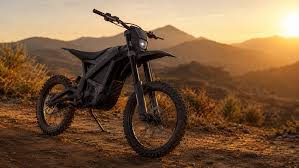
Electric dirt bikes are transforming off-road riding. Quiet, low-maintenance, and packed with instant torque, these machines deliver thrilling performance without the noise, fumes, or constant upkeep of traditional gas-powered dirt bikes. Whether you’re a beginner exploring trails, a parent introducing kids to the sport, or an experienced rider seeking a cleaner alternative, an electric dirt bike offers a compelling modern option.
This guide covers everything you need to know about electric dirt bikes in 2026—how they work, their advantages, top models, and practical buying advice—based on current market trends and real-world performance data.
What Is an Electric Dirt Bike?
An electric dirt bike (also called an e-moto or electric off-road motorcycle) uses a battery-powered electric motor instead of a gasoline engine. Most feature a high-torque hub or mid-drive motor, a lithium-ion battery pack, and dirt-bike geometry with suspension, knobby tires, and off-road brakes.
Unlike street-legal electric motorcycles, these are built primarily for trails, tracks, and private land. Power ranges from entry-level models suitable for kids (around 1–4 kW) to high-performance adult machines exceeding 20 kW peak output. Top speeds typically fall between 35–60 mph for trail-oriented bikes, while race-focused models like the Stark Varg can approach or exceed 80 mph depending on gearing.
Popular platforms include the Sur-Ron Light Bee X, Talaria Sting series, Segway models, and full-size competition bikes such as the Stark Varg.
Key Benefits of an Electric Dirt Bike
Electric dirt bikes stand out for several practical reasons:
Instant torque and smooth power Electric motors deliver full torque from zero RPM. This makes technical climbs, tight corners, and low-speed control easier than on gas bikes that require clutch work and revs. Riders often describe the power as predictable and confidence-inspiring.
Near-silent operation Gas dirt bikes produce 95–105 dB. Electric models run much quieter, reducing rider fatigue and opening access to noise-sensitive trails, campgrounds, and suburban areas where gas bikes may be restricted.
Dramatically lower maintenance No oil changes, air filters, spark plugs, or carburetors. Routine care mainly involves charging the battery, checking tire pressure, and lubricating the chain. Annual ownership costs are typically a fraction of gas bikes.
Lower operating costs A full charge often costs $0.10–$0.50 depending on local electricity rates and battery size—far less than a tank of premium fuel.
Environmental and neighborhood-friendly Zero tailpipe emissions and reduced noise make electric dirt bikes more acceptable in shared outdoor spaces.
Beginner-friendly features Many models offer multiple power modes, allowing new riders to start in a low-power setting and progress as skills improve. The absence of a clutch simplifies learning.
Limitations exist. Range is usually 25–75 miles of trail riding depending on terrain, speed, and battery capacity. Recharging takes 2–6 hours on standard chargers, though some premium systems support faster rates. Gas bikes still win for all-day remote riding where quick refueling is essential.
Best Electric Dirt Bikes by Category (2026 Snapshot)
The market has matured significantly. Here are standout options based on current reviews and rider feedback:
- Best overall / versatile trail bike: Sur-Ron Light Bee X – Lightweight (around 110 lbs), roughly 6 kW peak, 45–47 mph top speed, strong aftermarket support, and proven reliability for trail and enduro-style riding. Price typically around $4,000–$4,500.
- High-performance / race-oriented: Stark Varg – Full-size motocross capability with up to 80 hp, competitive with 450cc gas bikes on the track. Premium pricing reflects its pro-level performance.
- Value / practical adult options: Models in the $1,200–$2,000 range (such as certain Valtinsu or similar mid-power full-suspension bikes) offer solid trail performance, 40–50+ mph capability, and longer ranges for everyday riders.
- Kids and beginners: Scaled-down options from brands like Razor, Honda CRF-E series, or entry-level Segway models provide safe introduction with lower power and speeds.
Always verify current specifications, as battery technology and firmware updates improve yearly.
How to Choose the Right Electric Dirt Bike
Consider these factors:
- Rider size and experience – Seat height, weight, and power delivery must match the rider. Minis suit younger or lighter riders; full-size frames better serve taller adults.
- Intended use – Tight singletrack favors lightweight bikes like the Sur-Ron. Open trails or tracks may call for higher power and better suspension.
- Range and charging – Match battery capacity to your typical ride length. Home charging convenience is a major advantage if you have easy access to power.
- Budget – Entry-level bikes start under $1,000–$1,500. Capable adult trail machines often fall in the $3,500–$6,000 range. High-end race bikes exceed $10,000.
- Aftermarket and support – Brands with strong parts availability and community (Sur-Ron and Talaria ecosystems are notable) make long-term ownership easier.
- Legal and safety notes – Check local regulations. Many electric dirt bikes are off-road only. Always wear proper protective gear—helmet, boots, pads—and respect trail rules.
Maintenance and Ownership Tips
Keep your electric dirt bike performing well with simple habits:
- Charge the battery according to manufacturer guidelines; avoid deep discharges when possible.
- Inspect brakes, suspension, and chain regularly.
- Store the bike and battery in moderate temperatures.
- Update firmware if the model supports it.
- Use quality tires suited to your terrain.
With proper care, these bikes deliver years of reliable fun and lower total cost of ownership than comparable gas models.
Final Thoughts
An electric dirt bike combines modern technology with classic off-road excitement. Instant power, quiet operation, and minimal maintenance make it an excellent choice for many riders in 2026. While gas bikes retain advantages in extreme range and traditional feel, the electric alternative continues to close the gap in performance while offering clear practical benefits.
Research current models, test ride if possible, and choose based on your specific needs and local riding opportunities. The right electric dirt bike can open new trails—literally and figuratively—while keeping the ride cleaner and simpler.
Ready to go electric? Start by comparing the Sur-Ron Light Bee X or similar well-reviewed options against your budget and terrain, and hit the dirt with confidence.


One thought on “Electric Dirt Bike Guide 2026: Benefits, Best Models & Buying Tips”