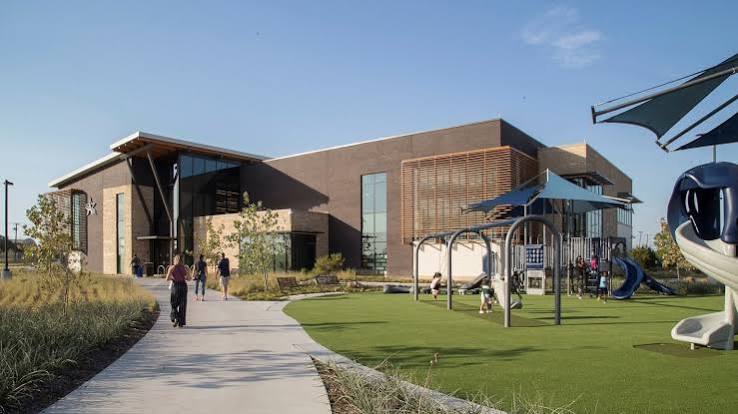
A rec center, short for recreation center, is a community hub designed for physical activity, social connection, learning, and leisure. Often operated by local governments, parks departments, or nonprofits, these facilities provide affordable access to gyms, pools, sports courts, fitness classes, and programs for all ages. Unlike private gyms focused mainly on individual workouts, a rec center emphasizes inclusive, multigenerational recreation that strengthens neighborhoods.
Understanding what a rec center offers helps residents make the most of this valuable public resource. From improving health to building social bonds, these spaces deliver measurable benefits backed by public health insights and community outcomes.
Key Benefits of a Rec Center
Rec centers promote physical fitness in accessible ways. Many include cardio equipment, weight rooms, indoor tracks, basketball courts, and swimming pools. Regular use supports better cardiovascular health, strength, flexibility, and weight management. Public health data consistently shows that people with nearby parks and recreation facilities tend to be more active than those without easy access. Group classes such as yoga, Zumba, water aerobics, or senior fitness programs make exercise approachable for beginners and those with different ability levels.
Mental health gains are equally important. Physical activity releases endorphins that reduce stress and improve mood. Rec centers also function as “third places”—spaces that are neither home nor work—where people can destress, socialize, and form connections. Shared activities create belonging, which is especially valuable in an increasingly digital world.
Social and community benefits extend further. Youth programs and after-school activities offer structure, skill-building, and safe environments. Research linked to organizations like the National Recreation and Park Association has noted associations between recreational participation and lower rates of certain risk behaviors among adolescents. Families bond through shared sports, swimming lessons, or community events. Seniors find low-impact classes and social clubs that combat isolation.
Education and equity play major roles too. Many rec centers host art, music, computer literacy, job-skills workshops, and continuing education at low or no cost. These offerings expand access for people across income levels. Facilities often serve as cooling centers in summer heat, voting locations, or vaccination sites during public health needs, underscoring their broader civic value.
Economic and neighborhood impacts are notable. Membership fees, program registrations, and event rentals generate revenue for municipalities. Vibrant rec centers can help attract and retain residents and businesses by improving quality of life. Nearby properties may see modest value benefits associated with strong parks and recreation amenities. Well-used facilities also create local jobs in programming, maintenance, and instruction.
Popular Activities and Programs at a Rec Center
A typical modern rec center offers far more than basic exercise equipment. Common features include:
- Fitness centers with cardio machines, free weights, and strength equipment
- Aquatic areas for lap swimming, lessons, water aerobics, and family fun
- Multipurpose gyms and courts for basketball, volleyball, pickleball, racquetball, or badminton
- Climbing walls, indoor tracks, and sometimes outdoor fields or skate parks
- Group fitness studios offering yoga, spin, HIIT, martial arts, and dance
- Youth sports leagues, camps, and after-school programs
- Senior-specific classes, social clubs, and wellness workshops
- Arts, crafts, music, and educational courses
- Party rooms, meeting spaces, and community events such as movie nights or holiday celebrations
Some facilities partner with libraries, health clinics, or tourism groups and may include esports areas or specialized training. Programming often runs year-round, with seasonal camps and registration-based classes filling quickly for popular time slots.
How to Choose and Get the Most from a Rec Center
Selecting the right rec center starts with practical evaluation. Visit in person or take a tour. Assess cleanliness, equipment condition, accessibility features (elevators, adaptive equipment, inclusive programming), and overall atmosphere. Check hours—many open early and close late to accommodate work schedules.
Compare costs. Day passes are often inexpensive (typically a few dollars for adults, less for youth or seniors). Memberships provide unlimited access, class discounts, and priority reservations for courts. Look for family rates, senior discounts, or subsidy programs that improve equity. Some memberships extend to partner facilities such as ice arenas or golf courses.
Review the program schedule. Does it match your interests and schedule? Are there options for children, teens, adults, and older adults? Inquire about instructor qualifications, safety protocols, and waitlist policies. Read recent member feedback for insights on crowding, staff helpfulness, and maintenance.
Location and transportation matter. Proximity encourages consistent use. Safe walking or biking routes, parking, and public transit access increase convenience. Consider whether the center feels welcoming across ages, cultures, and ability levels.
Once you join, start gradually. Try drop-in classes, ask staff for orientation, and explore different areas. Consistency beats intensity—regular moderate activity yields the strongest long-term benefits. Involve family or friends for accountability and enjoyment. Track personal goals around energy, strength, or social connections rather than perfection.
Why Rec Centers Matter More Than Ever
In a time of rising health concerns, social isolation, and economic pressures, the local rec center remains one of the most effective community investments. It lowers barriers to movement, learning, and belonging. Facilities that prioritize inclusive design, varied programming, and strong maintenance deliver returns in public health, social cohesion, and neighborhood vitality.
Whether you seek a reliable place to exercise, a safe after-school option for kids, senior wellness classes, or simply a welcoming space to connect with neighbors, a well-run rec center can become a cornerstone of healthier living. Check your city’s parks and recreation website or visit the nearest facility to discover current memberships, schedules, and events. Consistent participation turns a building into a genuine community asset that supports individuals and strengthens the places we call home.



One thought on “What Is a Rec Center? Benefits and How to Choose the Right One”