A dental cap, more formally known as a dental crown, is a custom-made restoration that covers a damaged, weakened, or heavily restored tooth. It restores strength, shape, function, and appearance when a filling is no longer sufficient. Patients often search for the price of a dental cap because costs vary widely, and unexpected expenses can arise from material choice, location, and additional procedures. This guide draws on recent fee surveys and industry data to provide clear, practical information so you can plan effectively and discuss options confidently with your dentist.
Average Costs Across the United States
In 2026, the typical price of a single dental crown in the United States without insurance ranges from about $800 to $2,500, with many reliable sources placing the national average between $1,200 and $1,500. One analysis of state averages puts the figure near $1,369 for a porcelain-style crown, while other compilations report midpoints around $1,200 to $1,400. Costs can climb higher in major metropolitan areas and drop in lower-cost regions.
Geographic differences are substantial. Southern and Midwestern states often fall toward the lower end of the range, while coastal cities and high-cost areas such as California, New York, Hawaii, and parts of the Northeast can exceed $1,600 to $2,300 on average. These variations reflect differences in overhead, laboratory fees, and local market rates rather than differences in clinical quality.
How Material Affects the Price of a Dental Cap
Material is the single largest factor influencing cost. Each option balances durability, aesthetics, biocompatibility, and price.
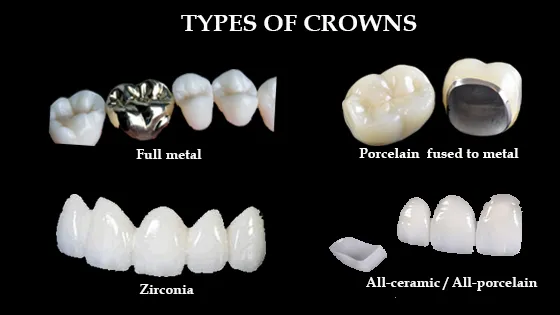
Porcelain-fused-to-metal (PFM) crowns remain one of the more affordable tooth-colored choices, commonly ranging from $800 to $1,400 or $1,800. They offer good strength for back teeth but can develop a visible metal line at the gum over time.
All-ceramic or porcelain crowns, including lithium disilicate options such as E-max, typically cost $1,000 to $2,500. These provide excellent natural appearance and are frequently chosen for front teeth.
Zirconia crowns, whether monolithic for strength or layered for better looks, usually fall in the $1,000 to $2,500 range and sometimes higher. They combine high durability with good aesthetics and have become increasingly common for both front and back teeth.
Gold or high-noble metal alloy crowns often range from $1,200 to $3,000. They excel in longevity and wear gently against opposing teeth, making them suitable for molars where appearance is less critical. Temporary or stainless-steel crowns, used mainly in children or as short-term solutions, cost far less, often $200 to $600.
Same-day CAD/CAM crowns milled in the office can fall within similar ranges to traditional laboratory-made options but may eliminate a second visit.
Additional Factors That Influence Total Cost
Beyond the crown itself, several elements add to the final bill. A core buildup to restore enough tooth structure may cost $150 to $500. If the tooth requires a root canal first, that procedure can add $700 to $1,800 or more depending on the tooth. Diagnostic X-rays, examinations, temporary crowns, and sedation also contribute smaller amounts.
The dentist’s experience and whether a specialist such as a prosthodontist is involved can raise fees. Front teeth may command a premium because of higher aesthetic demands, while laboratory quality and digital versus traditional impressions also play roles. Inflation has pushed fees upward by a few percent annually in recent years, consistent with broader dental cost trends.
Insurance Coverage and Out-of-Pocket Expenses
Most dental insurance plans classify crowns as major restorative procedures and cover approximately 50 percent of the allowed amount after the deductible is met, provided the treatment is medically necessary rather than purely cosmetic. This typically reduces the patient’s share to roughly $400 to $1,200, depending on the material and plan details. Annual maximum benefits, commonly $1,000 to $2,000, can limit total reimbursement, especially if multiple procedures occur in the same year. Waiting periods of six to twelve months for major work are common on newer policies.
Some plans apply alternate benefit clauses that reimburse only up to the cost of a less expensive functional material. In-network providers generally produce lower out-of-pocket costs than out-of-network ones. Traditional Medicare does not cover routine dental crowns for adults, though certain Medicare Advantage plans may offer limited benefits. Patients should always verify coverage, pre-authorization requirements, and remaining annual maximums before treatment begins.
Ways to Manage and Reduce Costs
Several practical strategies can lower the effective price of a dental cap. Requesting the cash or self-pay rate sometimes yields a discount compared with the insurance-billed fee. Comparing quotes from multiple providers, including those in nearby lower-cost areas, is worthwhile. Dental schools often provide supervised care at reduced rates. Discount dental plans or financing options such as CareCredit can spread payments. Maintaining good oral hygiene and addressing issues early may prevent the need for a crown altogether or reduce the complexity of treatment.
When evaluating options, consider long-term value. A more durable material may cost more initially but last longer and require fewer replacements. Gold and high-quality zirconia frequently demonstrate excellent longevity, sometimes exceeding 15 to 20 years with proper care.
What to Expect During the Process
Most permanent crowns require two visits under traditional methods: preparation and impression or scan at the first appointment, followed by cementation of the final restoration after laboratory fabrication. Same-day systems complete the process in one visit. Temporary crowns protect the prepared tooth in the interim. Proper fit, bite adjustment, and oral hygiene after placement are essential for longevity and comfort.
Making an Informed Decision
The price of a dental cap reflects a combination of clinical necessity, material science, regional economics, and individual circumstances. National averages provide a useful starting point, yet the most accurate figure comes from a personalized examination and treatment plan. Discuss material options, expected lifespan, insurance benefits, and any preparatory work thoroughly with your dentist. Reliable data from fee surveys and independent cost analyses can help you ask informed questions and avoid surprises.